Buying Land in Turkey: Opportunities, Risks, and Legal Procedures
We present a guide to buying land in Turkey for foreigners, reviewing the risks of purchasing land in Turkey and how to avoid them, and answering key questions such as: Can foreigners buy land in Turkey? And what are the steps for foreigners to buy land in Turkey?
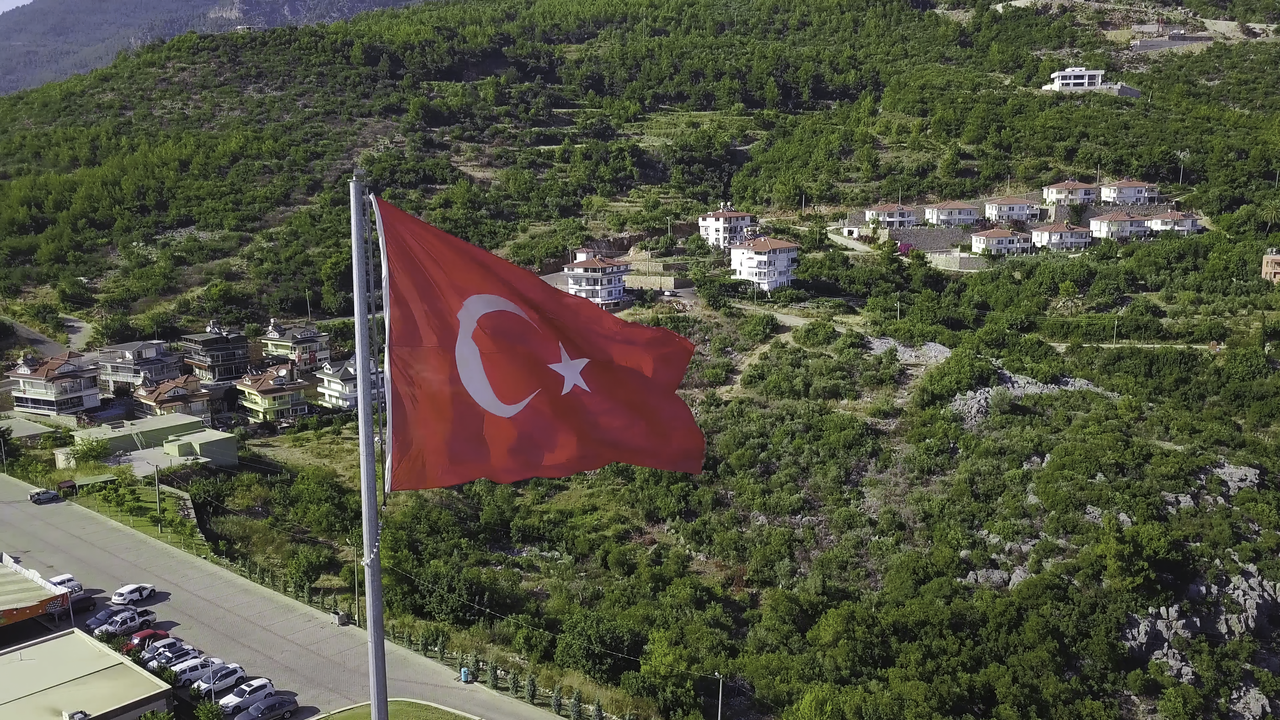
Welcome to this comprehensive guide on buying land in Turkey: opportunities, risks, and legal procedures.
Purchasing land in Turkey is considered a distinguished investment option, whether you are considering investing in land in Turkey with the aim of achieving a sustainable financial return, buying agricultural land in Turkey to benefit from natural resources, or even engaging in buying and selling land in Turkey as an active market that offers multiple opportunities.
We will also highlight land prices in Turkey for 2025 and their forecasts, and review the best areas to buy land in Turkey, with a detailed explanation of the conditions for buying land in Turkey, the legal procedures for buying land in Turkey, and taxes on buying land in Turkey.
Finally, we provide a guide to buying land in Turkey for foreigners, reviewing the risks of buying land in Turkey and ways to avoid them, and answers to important questions such as: Can foreigners buy land in Turkey? And what are the steps for foreigners to buy land in Turkey?
The Importance of Buying Land in Turkey for Foreign Investors
Today, Turkey occupies a leading position among global real estate destinations. The process of owning land in Turkey for foreigners opens up many opportunities for investors:
- Diverse investment opportunities: It can be used in residential, commercial, or agricultural projects, making investing in land in Turkey a flexible option that suits various strategies.
- Rising financial returns: With the growth of the Turkish economy and the expansion of cities, the opportunities for buying land in Turkey in 2025 suggest that the market value will continue to rise.
- Environmental and geographical diversity: From the coasts of the Mediterranean Sea to the green plains of Anatolia, buying land in Turkey allows you to choose between tourist, agricultural, and industrial locations.
Motivations of the Foreign Investor
- Tax exemptions sometimes apply to agricultural land.
- Proximity to Europe and the Middle East makes buying and selling land in Turkey easier for accessing multiple markets.
- Huge government projects such as the Istanbul Canal expand the infrastructure network and attract opportunities to buy land in Turkey in 2025.
Best Areas to Buy Land in Turkey
Attractive residential and commercial areas
- European Istanbul (such as Arnavutköy and Başakşehir): Experiencing a continuous increase in demand for buying land in Turkey to invest in residential towers and malls.
- Antalya and the Mediterranean: Suitable for investing in tourist and hotel land in Turkey, with continuous demand from European investors.
Fruitful agricultural areas
- Şanlıurfa, Konya, and Mersin: Famous for fertile soil and competitive prices, making buying agricultural land in Turkey a good opportunity for agricultural and organic projects.
- Eastern Anatolia regions: Offer lower costs and wider areas suitable for investing in agricultural land in Turkey.
Land Prices in Turkey 2025: Trends and Forecasts
Average Current Prices
- Residential land in Istanbul: Starts from $500/m² in the suburbs and reaches $2,000/m² in central areas.
- Agricultural land: Ranges between $50 and $300/m² depending on the fertility of the land and its proximity to water resources.
Real Estate Market Forecasts for 2025
- Land prices in Turkey 2025 are expected to continue to rise by 8–12% annually due to major projects such as the Istanbul Canal and new smart cities.
- Increased demand for buying land in Turkey by foreigners will put pressure on supply and enhance future value.
A Guide to Buying Land in Turkey for Foreigners
Steps for Foreigners to Buy Land in Turkey
- Choose the appropriate location based on the type of investment (residential, commercial, agricultural).
- Obtain a Turkish tax number through the local tax office.
- Open a bank account in Turkey to complete financial transactions.
- Verify the validity of the land legally by visiting the Land Registry Directorate and ensuring it is free of restrictions.
- Sign the purchase contract and pay the fees, then officially register in the Land Registry to guarantee property rights.
Required Documents
- Translated and certified passport.
- Tax Identification Number (Vergi Kimlik Numarası).
- Recent real estate appraisal certificate.
- Permit from the competent municipality if the land is designated for construction.
Legal Procedures for Buying Land in Turkey
Review of Title Deeds (Tapu)
- Verify that the land is not within military zones or prohibited for foreigners to own.
- Ensure there are no mortgages or lawsuits on the property.
Role of the Notary Public and Land Registry
- The notary public legally documents the contract.
- Title deeds are officially transferred in the Land Registry Directorate, and the name of the foreign buyer is added to the real estate register.
Conditions for Buying Land in Turkey for Foreigners
Nationalities Allowed to Own Property
- Turkish law allows most nationalities to buy land, with the exception of some countries with security restrictions.
- You should ensure that the laws are updated periodically through the Ministry of Environment and Housing.
Ownership Limits and Areas
- No foreigner may own more than 30 hectares of land.
- Buying land in border and military areas is prohibited (legally).
Risks of Buying Land in Turkey
Most Common Risks
- Buying land not licensed for construction: You may face confiscation or penalties.
- Unclear land boundaries: Disputes with neighbors and official problems.
- Future government projects: Such as highways or railway lines, which may harm the value of the land.
How to Avoid These Risks
- Deal with a trusted real estate lawyer to examine all documents.
- Use accredited real estate appraisal companies.
- Review the official regulatory plans from the municipality before buying.
Investing in Agricultural Land in Turkey
Advantages of Buying Agricultural Land in Turkey
- Low cost compared to residential and commercial land.
- Possibility of investing in agricultural land in Turkey by cultivating organic crops, raising livestock, or establishing solar energy projects.
Challenges of Agricultural Investment
- Some land needs to change the purpose of use with an official permit.
- The necessity of obtaining environmental and agricultural licenses from the Ministry of Agriculture and Forestry.
Opportunities to Buy Land in Turkey in 2025
Key Projects Driving Demand
- Istanbul Canal Project: Raises the value of land around its path.
- New smart cities: Advanced housing and industrial projects.
- Expansion of roads and airports: Especially in western Anatolia and southern Turkey.
Opportunities Available to Foreign Investors
- Land near major projects at reasonable prices before the infrastructure is completed.
- Cheap land in rising inner cities such as Konya and Kayseri.
Frequently Asked Questions: Buying Land in Turkey: Opportunities, Risks, and Legal Procedures
Can foreigners buy land in Turkey?
Yes, foreigners can buy land in Turkey with some restrictions on area and military zones.
What are the most important steps for foreigners to buy land in Turkey?
These include: choosing the location, obtaining a tax number, opening a bank account, legal verification, signing the contract, and registering ownership.
What are the risks of buying land in Turkey?
The most prominent risks: buying land not licensed for construction, unclear boundaries, or the land being located within a government project.
How much are the taxes on buying land in Turkey?
- Property transfer tax: 4% of the contract value.
- Land registry fees: Small administrative fees.
- Real estate appraisal fees: Based on market price.
What are the best areas to buy agricultural land in Turkey?
Şanlıurfa, Konya, and Mersin are considered the most fertile regions and offer investment opportunities in agricultural land in Turkey at competitive prices.
Conclusion: Buying Land in Turkey: Opportunities, Risks, and Legal Procedures
In this guide, we have reviewed everything related to buying land in Turkey: opportunities, risks, and legal procedures, from land prices in Turkey for 2025 and their forecasts.
Passing through the best areas to buy land in Turkey and a guide to buying land in Turkey for foreigners, up to the legal procedures for buying land in Turkey and taxes on buying land in Turkey.
Regardless of your goal—whether it is owning land in Turkey for foreigners for investment purposes or buying agricultural land in Turkey to launch an agricultural project—success requires careful study of every legal and financial aspect.
Understanding the steps for foreigners to buy land in Turkey, the conditions for buying land in Turkey, and avoiding the risks of buying land in Turkey will ensure a safe and profitable investment in the thriving Turkish real estate market.