Did the Istanbul earthquake affect the real estate market in Turkey?
The strength of the infrastructure and the updating of earthquake-resistant building codes were key factors in maintaining the stability of the real estate market in Turkey after the Istanbul earthquake. However, real estate investment in Turkey after the earthquake remains contingent on the extent to which developers and residents adhere to seismic safety standards.
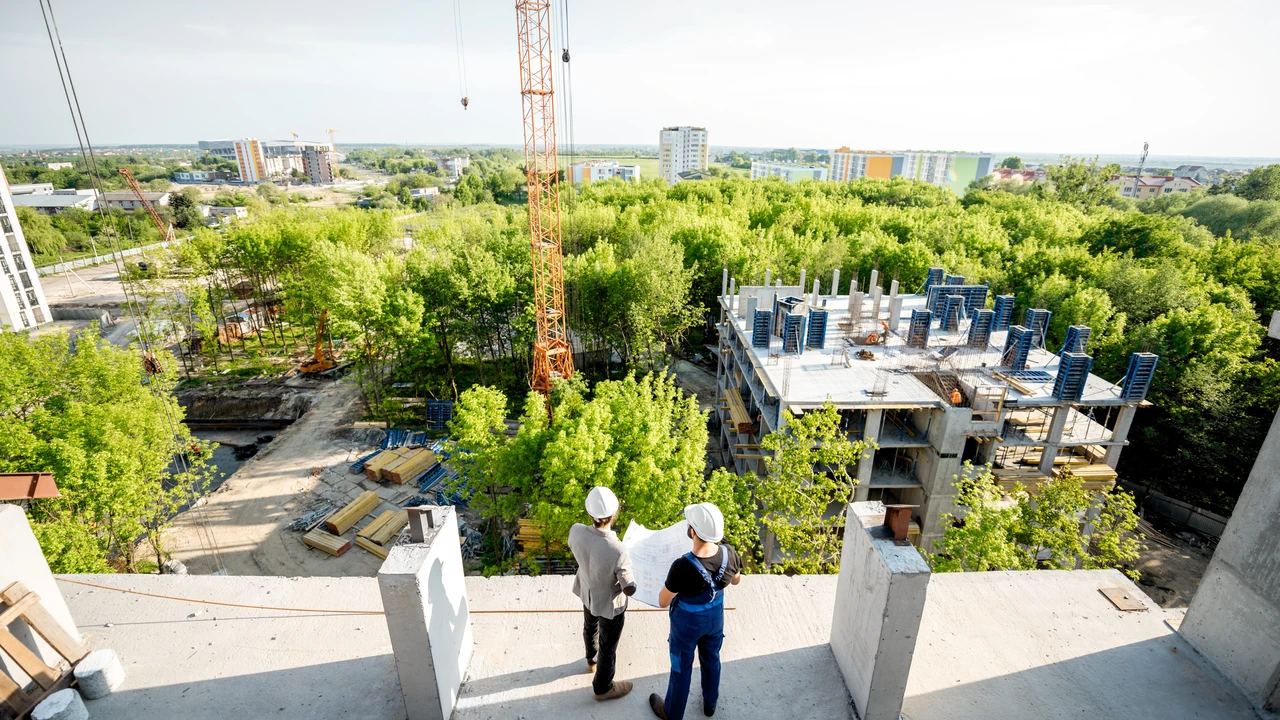
Under the title "Did the Istanbul Earthquake Affect the Real Estate Market in Turkey?", this article explores the various dimensions of the impact of the 6.2 magnitude earthquake that struck the Marmara Sea on April 23, 2025, on the real estate market in Turkey after the Istanbul earthquake.
We will begin by reviewing the historical background of earthquakes in Istanbul and their impact on real estate. Then, we will move on to the major tremors in 1509 and 1766, passing through the Izmit and Duzce earthquakes in 1999, which prompted the government to reform building codes, and finally reaching the details of the Istanbul 6.2 earthquake and when it occurred.
After that, we will highlight the Turkish government's response to reduce damage and how earthquake-resistant building designs in Istanbul have become more advanced.
Then, we will analyze the real estate market in Turkey after the Istanbul earthquake and ask: Real Estate Prices in Turkey After the Earthquake: Have prices decreased due to the Istanbul earthquake?
Finally, we will review real estate investment in Turkey after the earthquake: opportunities, challenges, and the future, providing tips for buying property in Turkey after the Istanbul earthquake, while taking into account the risks of real estate in Istanbul after the earthquake.
Historical Background of Earthquakes in Istanbul and Their Impact on Real Estate
Istanbul has long been known for its sensitive location near the North Anatolian Fault, which has made it vulnerable to violent earthquakes throughout the ages. The question of the impact of the Istanbul earthquake on Turkish real estate has been repeatedly raised for decades, especially after each major tremor.
Past earthquakes have been a harsh lesson for engineers and urban planners, necessitating a reconsideration of building policies and safety codes.
Tremors of 1509 and 1766 and Their Initial Impact on the Market
- 1509 Earthquake: It reached a magnitude of about 7 on the Richter scale, leading to the collapse of large parts of neighborhoods within the walls of the Golden Horn and a sharp decline in the confidence of residents and investors alike.
- 1766 Earthquake: The scenario was repeated with another tremor of nearly 7 degrees, and Istanbul lost a large number of wooden buildings and old mosques. These events left negative effects on the demand for the real estate market in Turkey after the Istanbul earthquake in the following centuries.
The Shock of 1999: Izmit and Duzce Earthquakes and Reforms
The Izmit earthquake (7.4) in August 1999, and the Duzce earthquake (7.2) about a month later, marked a turning point :
- Widespread collapse of residential and commercial buildings, with heavy human and material losses.
- Establishment of the Disaster and Emergency Management Presidency (AFAD) to improve coordination and issue strict legislation.
This "seismic shock" had a direct impact on the effect of the Istanbul earthquake on the real estate market in Turkey; demand for old properties declined, and interest in projects compliant with the latest earthquake-resistant building codes increased.
Details of the Istanbul 6.2 Earthquake and When It Occurred
- Date and Time: April 23, 2025, at 12:49 PM Istanbul time.
- Center: Sea of Marmara, 21 km southeast of Marmara Ereğlisi.
- Characteristics: A tremor that lasted about 13 seconds, followed by more than 50 aftershocks.
- Direct Effects: No deaths were recorded, and the number of injuries was about 151, resulting from panic and jumping from buildings, while real estate prices in Turkey after the earthquake remained mostly stable thanks to the strong modern building designs.
The Turkish Government's Response to Reduce Damage
Establishment of AFAD and Development of Policies
- AFAD's powers were expanded to include field inspection of buildings and risk assessment before and after earthquakes.
- Heavy fines and penalties were imposed on those who violated the earthquake-resistant building code.
National Strategic Disaster and Earthquake Plan 2012–2023
- Included updating seismic maps and classifying regional hazards.
- Obliging municipalities to update building permits and inspect existing facilities annually.
Earthquake-Resistant Building Design in Istanbul
High-Quality Materials and Constructions
- Using reinforced concrete with high technical specifications and reinforced steel.
- Designing columns and beams to direct seismic forces away from the main structure.
Continuous Structural Monitoring
- Installing vibration sensors that send live data to AFAD's special centers.
- Periodic maintenance and comprehensive inspection of critical parts after each tremor.
Updating Codes and Rehabilitating Old Buildings
- Turkish Building Code 2007 then updated in 2018: Increased earthquake resistance by 20–25%.
- Restoration and rehabilitation projects for old buildings to reduce the risk of collapse and enhance investor confidence.
The Real Estate Market in Turkey After the Istanbul Earthquake
The real estate market in Turkey after the Istanbul earthquake witnessed relative cohesion:
- Most existing deals were not canceled, but some buyers shifted towards newer units that comply with the codes.
- A slight increase in demand for apartments equipped with seismic safety systems was observed, which answers the question of whether the demand for real estate in Turkey was affected by the earthquake.
Real Estate Prices in Turkey After the Earthquake: Did Prices Decrease Due to the Istanbul Earthquake?
- In Greater Istanbul, real estate prices in Turkey after the earthquake stabilized, and the price per square meter even increased by 1–2% in some upscale neighborhoods.
- In areas near the epicenter, prices temporarily decreased by about 3–5% before the market recovered within two weeks.
- Compared to other cities such as Ankara and Izmir, price fluctuations in Istanbul were less severe, reflecting the strength of the real estate future supported by updated standards.
Real Estate Investment in Turkey After the Earthquake: Opportunities, Challenges, and Future
Real Estate Investment Opportunities in Turkey After the Earthquake
- Increased demand for projects that hold certificates of compliance with the seismic code.
- Emergence of new demand for real estate investment in Turkey after the earthquake in safe housing complexes with integrated infrastructure.
Risks of Real Estate in Istanbul After the Earthquake and Mitigating Them
- The risks of real estate in Istanbul after the earthquake lie in old, unqualified buildings.
- Tips for buying property in Turkey after the Istanbul earthquake:
- Ensure the certificate of compliance with the seismic code issued by the municipality.
- Check the building's record to find out the history of maintenance and seismic modifications.
- Request a detailed engineering report on the condition of the columns and concrete.
- Choose new areas with advanced emergency plans and earthquake-resistant infrastructure.
- Hire a specialized lawyer to ensure that property documents are free of building violations.
The Future of Real Estate in Istanbul After the Earthquake
The future of real estate in Istanbul after the earthquake is very promising, with increasing investor confidence thanks to the strong infrastructure. Experts expect the market to continue to grow by 5–7% annually in earthquake-resistant sectors, with a clear trend towards long-term real estate investment in Turkey after the earthquake.
Frequently Asked Questions About Whether the Istanbul Earthquake Affected the Real Estate Market in Turkey
Did the Istanbul earthquake affect the real estate market in Turkey in general?
In general, the market stabilized quickly, with a rebound in demand for modern properties and safe housing projects.
How were real estate prices in Turkey affected after the earthquake?
Slight decreases of 3–5% were recorded in the directly affected areas, while prices increased in upscale neighborhoods due to the high demand for earthquake-resistant units.
What measures did the government take to prevent the collapse of buildings?
Developing the earthquake-resistant building code 2007 and 2018, establishing AFAD, and obliging municipalities to inspect existing buildings and renew licenses annually.
Is real estate investment in Turkey after the earthquake safe?
Yes, in modern projects that have seismic compliance certificates, ensuring the highest safety standards and enhancing rental yield.
What are the tips for buying property in Turkey after the Istanbul earthquake?
Ensure the certificate of seismic compliance, conduct a comprehensive engineering inspection, and choose areas with advanced infrastructure and clear emergency plans.
Conclusion: Did the Istanbul Earthquake Affect the Real Estate Market in Turkey
In light of whether the Istanbul earthquake affected the real estate market in Turkey, it is clear that the strength of the infrastructure and the updating of the earthquake-resistant building code were the main factors in maintaining the stability of the real estate market in Turkey after the Istanbul earthquake.
However, real estate investment in Turkey after the earthquake remains dependent on the extent to which developers and residents adhere to seismic safety standards.
To achieve the best returns and sustainability, you should follow the tips for buying property in Turkey after the Istanbul earthquake, paying attention to the risks of real estate in Istanbul after the earthquake to ensure a prosperous and protected future for their properties.