Istanbul's Restricted Zones: Understanding Ownership Requirements
Discover how Istanbul’s closed zones affect foreign buyers in 2026, with a full guide on property laws, residence eligibility, and best investment opportunities.
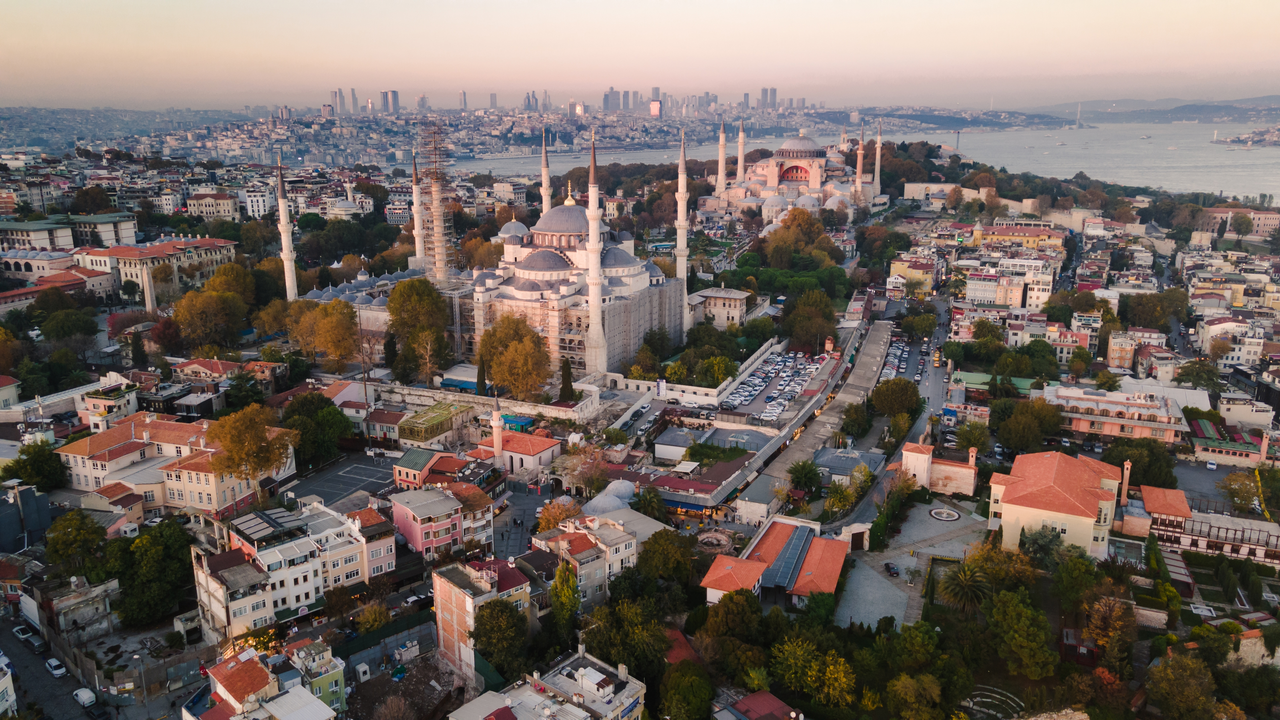
Closed areas in Istanbul are witnessing rapid changes in policies related to regulating residency and real estate ownership for foreigners, especially during the years 2025 to 2026, as the significant increase in the number of foreign residents in certain neighborhoods has prompted Turkish authorities to include these areas on the list of “closed neighborhoods for foreigners in Istanbul”.
This important change has direct effects on the process of purchasing property in a closed area in Istanbul, as well as on the buyer’s ability to obtain real estate residency linked to property ownership, making familiarity with the map of closed areas in Istanbul essential for any investor or family planning to settle in the city.
The new policies also affect ownership conditions in closed areas, and influence foreigners’ understanding of whether it is possible to own property in closed areas or whether challenges may prevent effective benefit from the property.
In this comprehensive article, we discuss in depth the list of closed areas in Istanbul, the most prominent developments in updates to closed areas in Istanbul, and their impact on investment and housing.
With a focus on restrictions on foreign ownership in Istanbul, in addition to a full explanation of property ownership laws in Turkey for foreigners and the important legal regulations they include that help investors make sound decisions.
This article serves as a comprehensive guide to understanding open and closed areas in Istanbul, and helps you discover the best ways to overcome challenges related to regulations on property purchases for foreigners in Istanbul.
Whether you are looking for a property for residence or long-term investment, within a clear vision regarding foreign ownership in Istanbul 2026.
What Are Closed Areas in Istanbul?
Definition of Closed Areas
Closed areas in Istanbul are defined as a group of neighborhoods for which the relevant authorities have issued a decision to prevent foreigners from registering residency, whether short-term or long-term, including real estate residency.
This decision emerged after the percentage of foreign residents in certain areas exceeded the capacity limits of public services, in addition to its impact on demographic balance.
Understanding this classification requires recognizing that the ban does not prevent buying or selling, but rather prevents registering a residential address, which is a fundamental requirement for obtaining real estate residency.
Accordingly, this policy is directly linked to an important question: Is it possible to own property in closed areas? The answer is yes, ownership is legally possible, but the restrictions relate to the use of the property, not its ownership.
Why Were They Declared Closed Areas?
There are several main reasons that led Turkish authorities to declare these areas as prohibited for foreigners in Istanbul, most notably:
- High foreign population density in specific urban areas in an unbalanced manner.
- Significant pressure on infrastructure and services such as schools, hospitals, public transportation, and municipal services.
- The desire to protect the social fabric of traditional Turkish neighborhoods.
- Preventing uncontrolled price increases resulting from high foreign demand in certain neighborhoods.
- Managing migration and preventing the formation of large population clusters of specific nationalities.
Based on this, the decision regarding closed areas in Istanbul was issued to rebalance population distribution and regulate restrictions on foreign ownership in Istanbul without infringing on private property rights.
Map of Closed Areas in Istanbul
Map and Distribution of Areas
The map of closed areas in Istanbul includes more than 50 neighborhoods distributed across several municipalities on both the European and Asian sides, and includes high-density residential areas such as:
- Fatih.
- Esenyurt.
- Bağcılar.
- Zeytinburnu.
- Avcılar.
- Küçükçekmece.
- Başakşehir.
These areas are among the most attractive to foreigners, which has placed them at the top of the list of areas restricted for ownership registration in Istanbul in terms of residential registration, not buying and selling.
How to Verify the Current Map?
Due to periodic changes to the lists, it is always recommended to:
- Follow regulations issued by the Migration Directorate.
- Check the status of each neighborhood before purchasing property in a closed area in Istanbul.
- Rely on a real estate expert familiar with updates to closed areas in Istanbul.
As the map changes over time, some areas may be opened while others may be added to the list based on population density.
Ownership Conditions in Closed Areas
Is It Possible to Own Property in Closed Areas?
It is important to clarify that classifying neighborhoods as closed neighborhoods for foreigners in Istanbul does not mean prohibiting property purchases, as ownership is fully permitted, but its impact lies in:
- The inability to register real estate residency at an address located in a closed area.
- Rejection of new residency applications linked to that address.
- The inability to use the property as an official address in government documents.
This policy has led many to ask: Is purchasing property in closed areas of Istanbul beneficial? The answer is yes, purchasing property is beneficial for investment and potential profit, but it is not beneficial for obtaining residency.
Other Conditions for Property Ownership
Property ownership laws in Turkey for foreigners include several regulations, most notably:
- Not owning property within a prohibited military zone.
- Complying with ownership limits that do not exceed a certain percentage of the area.
- Commitment to proving official bank transfers.
- A foreigner is not entitled to own more than 30 hectares in Turkey.
These regulations are part of the controls on property purchases for foreigners in Istanbul aimed at regulating the real estate market.
The Difference Between Open and Closed Areas
Open Areas
Open areas for foreigners are areas where residency applications are allowed after purchasing and legally registering a property, and they are considered a suitable option for those wishing to:
Obtain real estate residency.
Settle long-term.
Foreign ownership in Istanbul 2026 in accordance with the new standards.
Closed Areas
Closed areas, on the other hand, do not allow residency, even if properties for sale in a closed area in Istanbul are available at suitable prices, which means:
- Real estate residency is not accepted.
- Address registration is not allowed.
- Difficulty using the property for settlement or family reunification purposes.
Some areas may be opened or closed based on the annual evaluation of foreign population density.
Impact of Closed Areas on Real Estate Investment
Investment Challenges
Although ownership is permitted, this classification creates several challenges, such as:
- Reduced demand from buyers seeking residency.
- The need to search for alternatives in open areas.
- Restrictions that may affect the speed of property resale.
An investor seeking residency may also find themselves forced to pay a higher cost to purchase property in an open area.
Alternative Opportunities
On the other hand, there are still important opportunities, such as:
- Purchasing properties at relatively lower prices compared to open areas.
- Achieving higher rental returns in some high-density areas.
- The possibility of long-term investment in areas that may be opened in the future after list updates.
The strongest opportunities always remain in areas not classified as prohibited for foreigners in Istanbul.
Updates on Closed Areas in Istanbul
Latest Developments
The list of closed areas in Istanbul is subject to continuous changes due to:
- Changes in population density by neighborhood.
- An increase or decrease in the number of applications submitted by foreigners.
- Government policies to regulate internal and external migration.
Authorities update the list every few months to ensure sustainable urban balance.
What’s New in 2026?
Expectations indicate:
- The addition of new neighborhoods to the list with continued growth in foreign demand.
- The possibility of reopening some areas where the number of foreigners has declined.
- Strengthened monitoring of real estate residency contracts to ensure their legality.
This makes following updates on closed areas in Istanbul essential before taking any step.
Legal Regulations and Frameworks
Property Ownership Laws in Turkey for Foreigners
Legal systems ensuring transparency include:
Requiring payment transfers exclusively through banks.
Registering the property in the title deed after verification of information.
Prohibiting ownership in sensitive locations or within military or security zones.
Ownership and Residency Rights
It is important to understand that:
- Ownership does not equal residency.
- Residency is accepted only in open areas.
- Residency is not accepted without a registered address.
Accordingly, ownership conditions in closed areas are directly linked to the ability to benefit from the property after purchase.
Frequently Asked Questions: Closed Areas in Istanbul – Learn About Ownership Conditions
Yes, purchasing property within closed areas in Istanbul does not allow the owner to obtain real estate residency, as the residential address cannot be registered there, even if the buyer fully owns the property. The main difference is that open areas allow foreigners to register residency and transfer their residential address normally, while closed areas completely prevent residency registration for foreigners due to foreign population density or regulatory decisions by the Ministry of Interior. Yes, the Ministry of Interior updates the list of closed areas periodically, and new areas may be added or others reopened based on population density and urban management policies. Yes, it is possible to invest and purchase property within prohibited areas for foreigners in Istanbul, as there is no ban on ownership itself, but it should be noted that property in these areas does not grant any type of residency. Limited facilitations may sometimes occur based on temporary decisions or special agreements, but they are not fixed and do not apply to everyone, so it is always necessary to review updates on closed areas in Istanbul throughout the year to ensure the latest developments.
Conclusion: Closed Areas in Istanbul – Learn About Ownership Conditions
In conclusion, understanding the policies of closed areas in Istanbul is the cornerstone of any decision related to purchasing property in a closed area in Istanbul or planning to obtain real estate residency.
As Turkish authorities continue to issue updates on closed areas in Istanbul based on population density and growth in foreign demand, staying informed about the map of closed areas in Istanbul is essential.
Knowing the ownership conditions in closed areas and property ownership laws in Turkey for foreigners helps you make a safer and more successful investment decision, especially in light of the expected changes for foreign ownership in Istanbul 2026.
In short, ownership is available, but benefiting from the property depends on regulatory systems; therefore, consulting a real estate expert and understanding the controls on property purchases for foreigners in Istanbul is the best path for any investor seeking to enter the Turkish market with confidence.