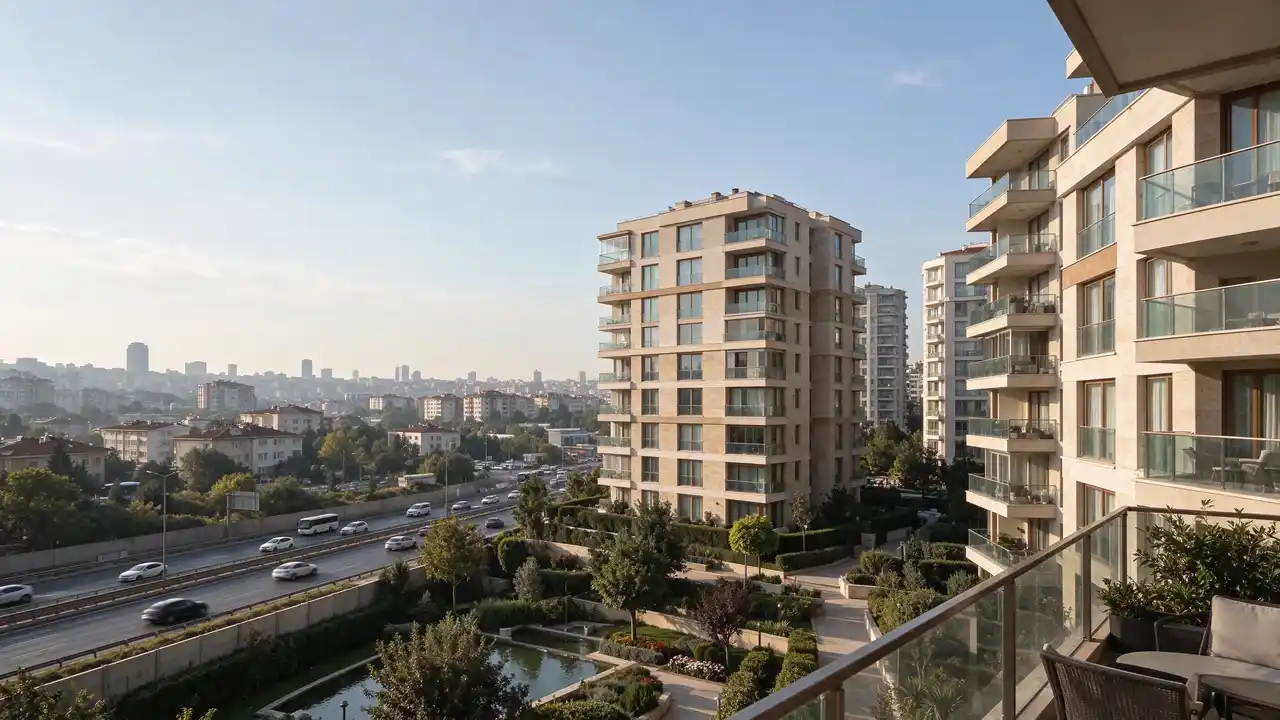
Evaluating real estate ROI in Turkey requires looking beyond headline purchase prices to examine net rental yields, long-term capital appreciation, currency dynamics, and regulatory benefits. Positioned at the crossroads of Europe and Asia, Turkey combines a young, urbanizing population with strong domestic housing demand and year-round international tourism. These fundamentals have transformed major Turkish cities and coastal hubs into resilient destinations for global property investment.
For international buyers, returns in the Turkish property market are typically measured across two core pillars: recurring rental income and asset value growth. Depending on the city, neighborhood, and management strategy, gross annual rental yields generally range between 5% and 9%, while well-located developments in high-demand districts frequently deliver strong medium-to-long-term appreciation.
Core Metrics Every Property Investor Should Calculate
Before committing capital to Turkish real estate, investors should separate gross projections from net performance. Transaction fees, furnishing costs, municipal taxes, and ongoing maintenance directly affect your bottom line.
- Gross Rental Yield: Annual rental income divided by the property purchase price, offering a quick benchmark across neighborhoods.
- Net Rental Yield: Annual rental income minus property management fees, building dues (aidat), insurance, and income tax, divided by total acquisition cost.
- Capital Appreciation Rate: Percentage increase in property market value over a holding period, ideally evaluated in hard currency terms such as USD or EUR.
- Cash-on-Cash Return: Particularly relevant for buyers using developer installment plans rather than full upfront cash purchases.
Hidden Costs That Influence Net Returns
Accurate underwriting requires factoring in the 4% title deed (Tapu) transfer tax, legal and valuation fees, earthquake insurance (DASK), and annual municipal property taxes. Accounting for these items upfront prevents overestimating first-year yields.
Key Drivers of Property Investment Returns Across Turkish Cities
Turkey is not a single monolithic market. Return profiles vary dramatically between commercial metropolises, Mediterranean resort towns, and emerging university hubs. Selecting the right micro-location is one of the strongest predictors of superior property investment performance.
Istanbul: Commercial Scale and Urban Regeneration
As Turkey's financial and cultural capital, Istanbul accounts for the largest share of domestic and foreign transactions. Infrastructure expansion—including new metro lines, the Istanbul Financial Center, and urban renewal projects—continues to elevate property values in districts such as Kadikoy, Besiktas, Sisli, Basaksehir, and Kagithane.
- Target Tenant Pool: Corporate professionals, expatriates, university students, and affluent local families.
- Typical Gross Yield: 5.5% to 7.5% for modern residential apartments near transit hubs.
- Appreciation Profile: High liquidity and steady long-term demand driven by limited central land supply.
Antalya and the Mediterranean Coast: Tourism-Driven Yields
Antalya, Alanya, and Fethiye attract millions of European, Middle Eastern, and domestic visitors annually. Properties in coastal complexes with resort amenities perform exceptionally well during peak tourist seasons, provided owners comply with Turkey's short-term rental licensing regulations.
Comparing Long-Term Leases vs. Licensed Holiday Rentals
Long-term residential leases provide predictable monthly cash flow and minimal turnover, whereas licensed short-term holiday rentals in coastal zones can generate higher seasonal returns at the expense of active operational management.
Ankara, Izmir, and Bodrum: Niche Growth Opportunities
Ankara offers stability backed by government ministries, embassies, and major universities, resulting in low vacancy rates. Izmir appeals to lifestyle buyers and tech professionals seeking Aegean coastal living, while Bodrum serves the ultra-luxury villa segment, where capital preservation and high-end seasonal leasing drive total ROI.
Property Buying, Residency, and Citizenship by Investment Impact on ROI
One distinctive advantage of property buying in Turkey is that real estate acquisition frequently unlocks legal residency or nationality benefits alongside financial returns. These non-monetary benefits add substantial strategic value for globally mobile families and portfolio diversifiers.
Citizenship by Investment Program
Turkey's Citizenship by Investment program allows qualifying foreign nationals to obtain Turkish citizenship by purchasing one or more properties with a combined minimum valuation of USD 400,000, subject to a three-year no-sale annotation on the title deed. Investors can still rent out the qualifying property during the three-year holding period, capturing rental yields while securing a second passport.
- Obtain a Turkish tax identification number and open a local bank account.
- Commission an official SPK-licensed real estate appraisal report confirming the USD 400,000 minimum market value.
- Transfer funds through a Turkish bank and obtain the Foreign Exchange Purchase Certificate (DAB).
- Complete the title deed transfer with a three-year holding commitment.
- Submit residency and citizenship applications for the primary investor, spouse, and dependent children under 18.
Residency Permits Through Real Estate Ownership
For investors not targeting the USD 400,000 threshold, purchasing residential property that meets the statutory valuation requirement (currently USD 200,000 in eligible open neighborhoods for new applications) provides a pathway to a renewable short-term residency permit. Living in Turkey or holding flexible residency reduces personal relocation costs while giving owners direct oversight of their local assets.
Exit Strategy After the Holding Period
In both citizenship and residency investments, planning the exit is critical. Properties situated in neighborhoods with strong local Turkish buyer demand are far easier to resell in year four or five than isolated developments marketed exclusively to foreign buyers.
Maximizing Returns Through Professional Property Management in Turkey
Even the finest property can underperform without disciplined post-purchase execution. Effective property management in Turkey bridges the gap between projected brochures and realized bank-account returns, especially for absentee international landlords.
Looking for a reliable real estate platform to sell your property quickly and transparently?
EmlakPlatform is not just an option, it is the smart solution for you. We combine advanced technology, full transparency, and professional support
Contact us now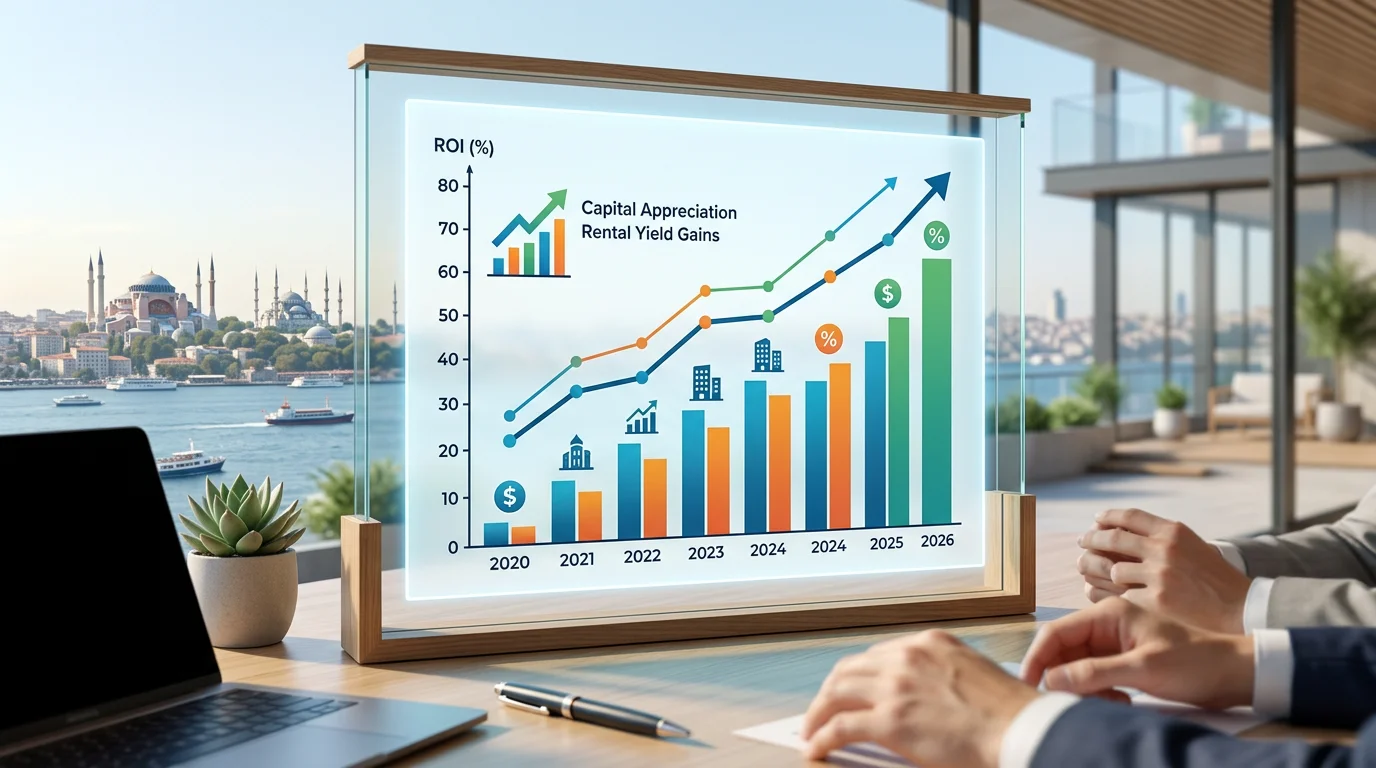
Essential Property Management Services for Foreign Owners
Partnering with an experienced, transparent management company protects asset condition and ensures full legal compliance under Turkish tenancy and tourism laws.
- Tenant Vetting and Lease Structuring: Conducting background checks, securing deposits, and drafting bilingual contracts compliant with the Turkish Code of Obligations.
- Short-Term Rental Licensing: Securing the mandatory Tourism Purpose Rental Permit from the Ministry of Culture and Tourism, including neighbor consent requirements where applicable.
- Maintenance and Preventive Upkeep: Coordinating interior repairs, appliance servicing, and building management communication to preserve resale appeal.
- Financial Reporting and Tax Coordination: Tracking rent collection, utility settlement, and annual rental income tax filings.
Boosting Net Yields Without Overcapitalizing
Simple value-add upgrades—such as durable contemporary furnishing packages, smart locks for authorized short-term guests, and energy-efficient climate control—often command 10% to 20% higher monthly rents while attracting more reliable tenants.
Comparative Overview of Real Estate ROI in Turkey by Strategy
The table below summarizes how different investment approaches, locations, and legal pathways compare across key return and operational dimensions in the Turkish real estate market.
| Investment Strategy | Primary Locations | Estimated Gross Yield | Legal and Residency Benefit | Management Intensity |
| Urban Long-Term Residential | Istanbul, Ankara, Izmir | 5.5% to 7.5% | Eligible for Residency or Citizenship (if threshold met) | Low to Moderate |
| Licensed Coastal Holiday Rental | Antalya, Alanya, Fethiye, Bodrum | 7.0% to 9.5% | Residency or Citizenship eligible based on property value | High (Requires Full Management) |
| Off-Plan Capital Appreciation | Emerging Istanbul and Aegean Growth Corridors | 4.5% to 6.0% post-handover | Citizenship eligible upon title deed or notarized contract | Low During Construction |
| Commercial and Mixed-Use Units | Istanbul Financial and Business Districts | 6.5% to 8.5% | Eligible for Citizenship by Investment portfolio | Low (Corporate Tenants) |
Risk Management, Taxation, and Currency Considerations
Sound risk management is essential for preserving real estate ROI in Turkey over a multi-year cycle. Because Turkish residential rents are legally denominated in Turkish Lira (TRY) for domestic leases, investors should evaluate how inflation and exchange-rate movements interact with property values and rental escalations.
Navigating Inflation, Rent Adjustments, and Capital Gains
Following the expiration of temporary residential rent caps, annual lease renewals in Turkey are once again benchmarked to the 12-month average Consumer Price Index (CPI), helping landlords protect real purchasing power. On the exit side, individual investors who hold a Turkish property for more than five full years from the date of title deed acquisition are generally exempt from capital gains tax upon resale—a major incentive for patient, medium-term capital allocation.
Due Diligence Checklist Before Signing
- Verify the Iskan (habitation certificate) to confirm the building complies with municipal zoning and safety standards.
- Confirm the property is free of mortgages, liens, or legal encumbrances at the Land Registry Directorate.
- Inspect earthquake resilience standards, especially in buildings constructed prior to modern seismic codes.
FAQs : Real Estate ROI in Turkey
Most residential investment properties in Turkey generate gross annual rental yields between 5% and 9%, depending on the city, property type, and leasing model. When combined with medium-to-long-term capital appreciation in high-demand neighborhoods, total annualized returns can be highly competitive compared to major European markets. Yes. While properties purchased under Turkey's Citizenship by Investment program must carry a USD 400,000 minimum valuation and a three-year no-sale restriction on the title deed, owners are fully permitted to lease the property out on long-term or legally licensed short-term contracts during the holding period. Overseas owners typically grant limited power of attorney or sign a management agreement with a licensed Turkish property management firm. The manager handles marketing, tenant screening, lease execution, rent collection, maintenance, and regulatory compliance, depositing net proceeds into the owner's Turkish bank account. Buyers pay a 4% title deed transfer fee at purchase, along with modest annual municipal property taxes. Ongoing rental income is subject to progressive income tax after allowable deductions, while capital gains from selling an individual property are generally tax-exempt if held for at least five full years. Istanbul remains the top choice for liquidity, corporate tenant demand, and infrastructure-driven appreciation. Antalya and Alanya excel for seasonal tourism yields, Ankara provides stable university and diplomatic tenancy, and Izmir and Bodrum offer strong lifestyle appeal and luxury capital preservation.
Summary : Real Estate ROI in Turkey
Maximizing real estate ROI in Turkey depends on aligning location selection, legal objectives, and hands-on asset management. From Istanbul's dynamic urban regeneration corridors to Antalya's thriving coastal tourism hubs, Turkey offers diverse opportunities for recurring rental income and long-term capital growth. By conducting thorough due diligence, factoring in transaction taxes and currency dynamics, leveraging residency or Citizenship by Investment pathways, and partnering with experienced professionals for property management in Turkey, international investors can build resilient, high-performing real estate portfolios.