Best Places to Buy Property in Kobuleti
Kobuleti, located in the Autonomous Republic of Adjara in Georgia, serves as the administrative center of the municipality of the same name. Known for its railway station and tea processing workshops, Kobuleti is a significant summer tourist destination. Historically, the town and its surrounding area were known as "Çürüksu" during the Ottoman era.
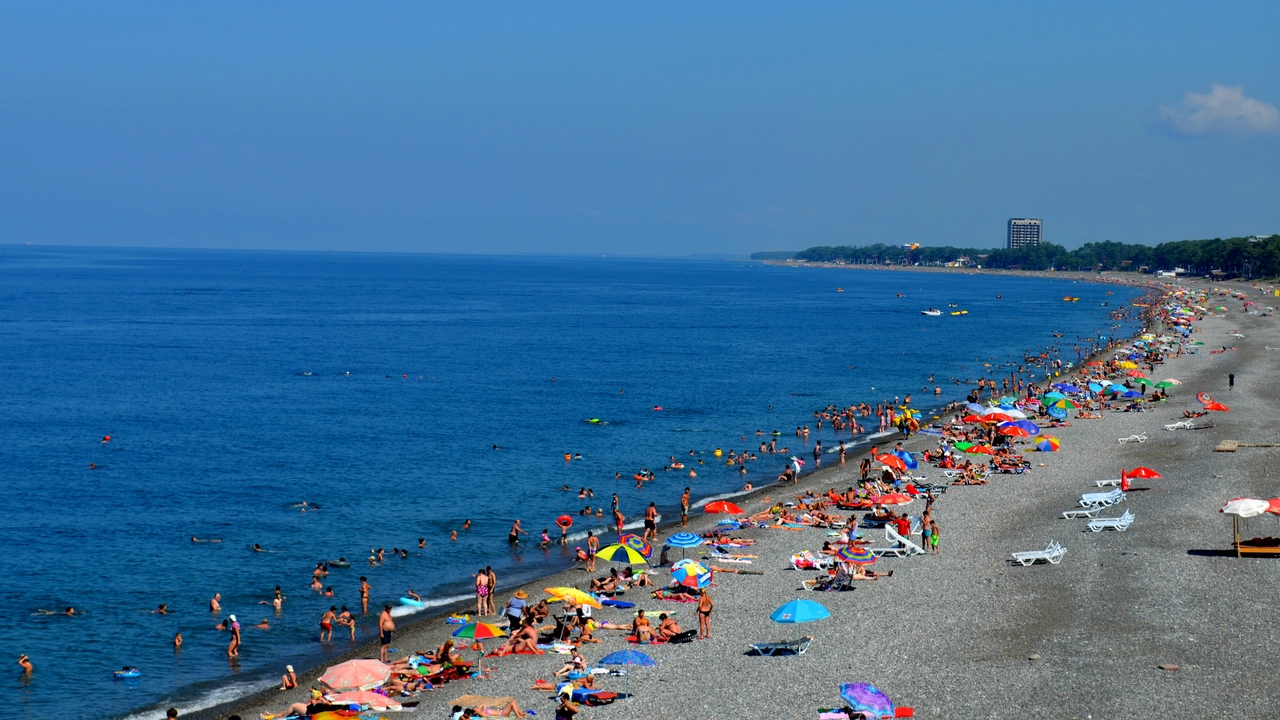
Kobuleti Georgia: History, Beaches & Summer Tourism
Kobuleti, located in the Autonomous Republic of Adjara in Georgia, serves as the administrative center of the municipality of the same name. Known for its railway station and tea processing workshops, Kobuleti is a significant summer tourist destination. Historically, the town and its surrounding area were known as "Çürüksu" during the Ottoman era.
Deep Historical Roots
The name Kobuleti derives from the Georgian noble family Kobulidze. The history of the Kobuleti area stretches back thousands of years, with tools dating back to the Stone Age and antiquity having been found. Significant archaeological discoveries include gold vessels and jewelry dating back to the 6th century BC, as well as pottery belonging to the Colchian culture, including what is known as the "pit of golden balls". Other archaeological sites, such as the extinct settlements of Pichvnari and K'okhi, along with wine presses in the village of Zeniti, medieval fortresses, single-arch stone bridges, and churches, indicate that the area was an important settlement region in ancient and medieval times.
Kobuleti in the Middle Ages and the Ottoman Era
In the Middle Ages, Kobuleti was part of the Principality of Guria. In the mid-17th century, ownership of Kobuleti passed from the Gurieli family to the Tavdgiridze family. The Principality of Guria lost control over its territories in Chakvi and Batumi by 1703. Following the Treaty of Küçük Kaynarca in 1774, the Ottomans gradually took over the Kobuleti region, renaming it "Çürüksu". During this period, the Islamization of the local population began and continued until the 1870s.
Under Ottoman Rule
After the establishment of the Trebizond Vilayet, Kobuleti, under the name "Çürüksu," became one of the districts of the Lazistan Sanjak. According to the records of the Trebizond Vilayet in 1876, the kaza of Çürüksu had a population of 1504 families, consisting of 16 villages and 3 neighborhoods. The town of Kobuleti, the center of the kaza, was known for its textile manufacturing, blacksmithing, and the production of tents and chairs.
Area Details
Male
Female