Best Places to Buy Property in Piraeus
Piraeus, Athens' historic port and key industrial and economic hub, offers promising real estate investment opportunities due to its strategic location, infrastructure upgrades, and growing tourism and commerce.
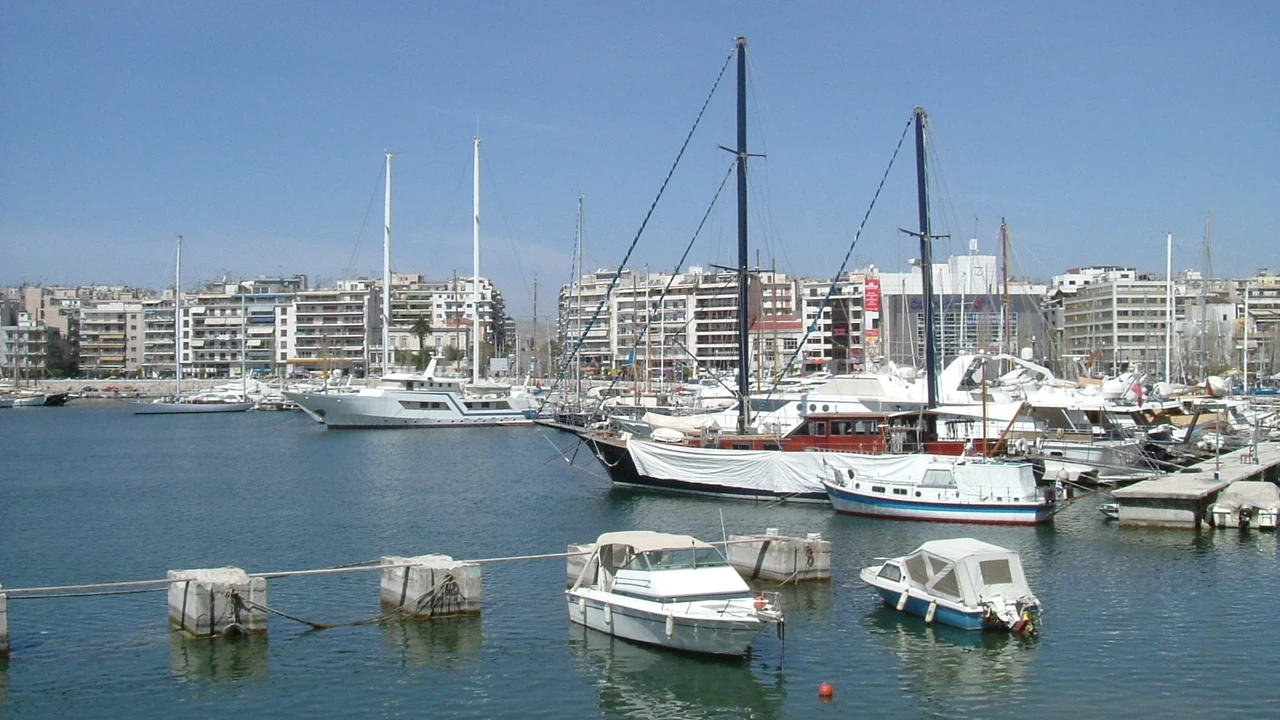
Piraeus, the Greek city located 9 kilometers south of the capital Athens, is considered a region of significant strategic, historical, and economic importance. As the ancient port of Athens and a major shipping and unloading hub, Piraeus continues to play a vital role in the Greek economy, making it an attractive destination for real estate investment. This article examines the history of Piraeus, its geographical location, and its economic significance, focusing on the factors that make it a promising area for real estate investment.
A Historical Overview: From Military Port to Vibrant Industrial Center
The history of Piraeus dates back to the Classical era, where it played a pivotal role in Athens' naval power. Themistocles in the 5th century BC is credited with encouraging the Athenians to build a port on the peninsula, transforming it into a fortified military port for the Athenian fleet. During the reign of Pericles, the architect Hippodamus planned the city, making it a strategic harbor during the Athenian wars. The two cities were connected by long defensive walls to ensure mutual protection.
Over the centuries, Piraeus has witnessed numerous fluctuations. The port and its walls were destroyed by the Spartans, Romans, and Goths. However, it was restored and rebuilt in various phases, demonstrating the enduring importance of the location. Piraeus experienced significant growth in the 19th century, especially after 1922 with the influx of refugees from Asia Minor. After World War II, the city became the center of ambitious government plans to expand the port and strengthen the industrial base.
Strategic Location and Unique Geographical Features
Piraeus is characterized by its strategic location on a peninsula 9 kilometers from Athens. Its population is approximately 388,000 (2021 estimate), and with its suburbs, it becomes the third largest Greek city after Athens and Thessaloniki. The rocky peninsula includes three natural deep-water harbors. The largest harbor, located in the northwest of the city, is one of the most important commercial ports in the Eastern Mediterranean, while the other two harbors serve cruise ships connecting the city to the Greek islands in the Aegean Sea. This prime location makes Piraeus a vital maritime gateway to Greece and the rest of Europe.
Growing Economic Importance and Catalyst for Real Estate Investment
Piraeus is a major industrial center and shipping and unloading port, contributing significantly to the Greek economy. The city falls within the Athens metro area, making it easily accessible and enhancing its appeal to residents and businesses. Every two years, Piraeus hosts a global shipbuilding and maritime industry conference called "Posidonia," underscoring its position as a global center in this field. In addition, the city houses a university and a higher technological institute, providing a skilled and qualified workforce.
All these factors make Piraeus an attractive area for real estate investment. Here are some of the main reasons why real estate investment in Piraeus is promising:
- Strategic Location: As a major port, Piraeus attracts companies and individuals seeking easy access to local and international markets.
- Economic Growth: Piraeus is experiencing continuous economic growth, increasing the demand for residential and commercial properties.
- Infrastructure Development: The Greek government is developing the infrastructure in Piraeus, including modernizing the port and improving the transportation network, which increases the region's attractiveness.
- Tourism: Piraeus attracts a large number of tourists annually, creating investment opportunities in the hospitality sector and rental properties.
- Property Prices: Despite economic growth, property prices in Piraeus remain relatively affordable compared to Athens, providing opportunities for investors to achieve worthwhile returns.
- Cultural Heritage: Piraeus contains important historical and cultural landmarks, such as parts of the ancient city walls, the Piraeus Archaeological Museum, and the Hellenic Maritime Museum, attracting tourists and residents alike.
Promising Types of Real Estate for Investment in Piraeus:
- Residential Properties: Apartments and villas overlooking the sea are very popular among buyers and renters.
- Commercial Properties: Offices, shops, and warehouses are in high demand by local and international companies.
- Tourist Properties: Hotels, serviced apartments, and guesthouses have significant potential to generate worthwhile returns.
- Old Properties: Old buildings in Piraeus can be renovated and converted into apartments or boutique hotels, providing unique investment opportunities.
Potential Challenges:
Despite the promising opportunities, investors should be aware of potential challenges when investing in real estate in Piraeus, such as:
- Bureaucratic Red Tape: Obtaining the necessary permits and approvals for real estate investment can be complex and time-consuming.
- Competition: The real estate market in Piraeus is competitive, and investors must conduct thorough research before making any decisions.
- Economic Crisis: Greece is still recovering from a prolonged economic crisis, and economic conditions may affect the real estate market in Piraeus.
Conclusion:
Piraeus offers promising investment opportunities in the Greek real estate market. With its strategic location, economic significance, infrastructure development, and cultural heritage, Piraeus attracts investors from around the world. However, investors should conduct thorough research and understand the potential challenges before making any investment decisions. With careful planning and in-depth market analysis, investors can achieve worthwhile returns from real estate investment in Piraeus and contribute to the growth of this dynamic city.
Area Details
Male
Female