Find Coastal & Urban Homes in Gemlik
A vibrant coastal city, a bustling industrial center, and producer of the renowned black olive, within the Bursa province of Turkey
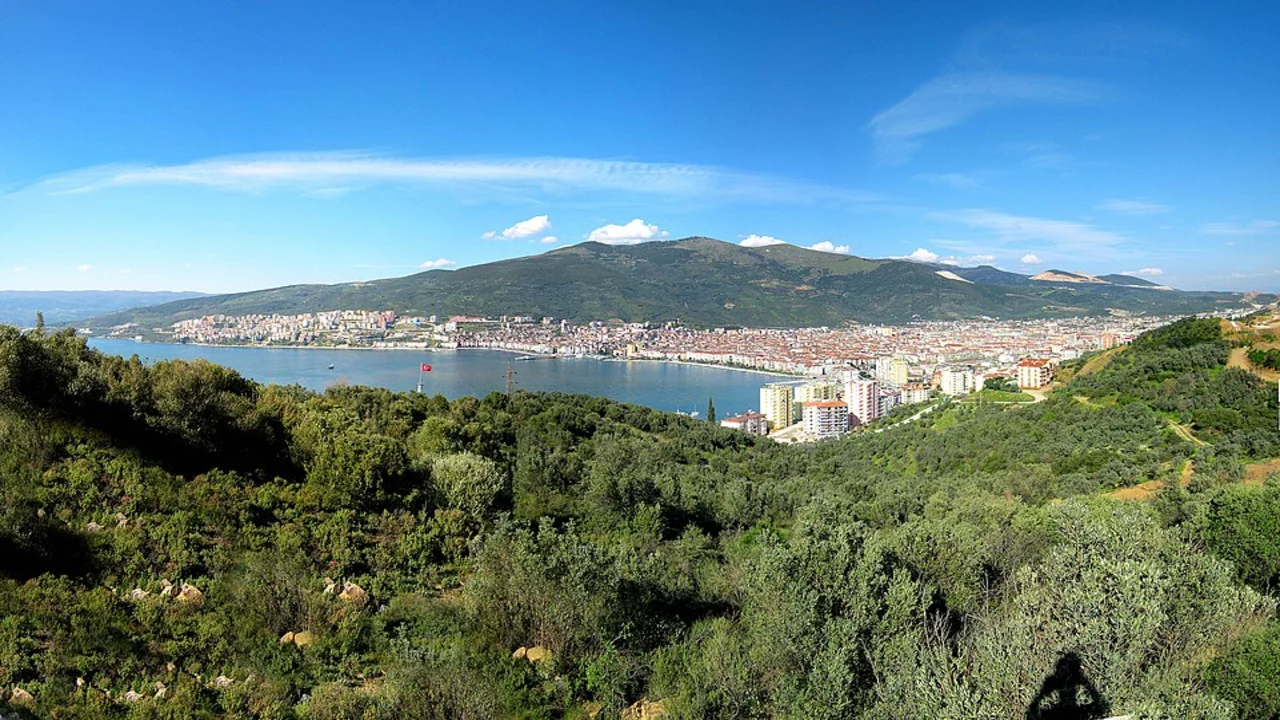
Gemlik: A Historical Tapestry Woven on the Shores of the Marmara Sea
Gemlik, a municipality and district nestled within the Bursa Province of Turkey, stands as a testament to the enduring power of geography and the layered complexities of history. Covering an area of 401 square kilometers and boasting a population of over 120,000, this vibrant locality is strategically positioned on the eastern edge of the Gulf of Gemlik, approximately 29 kilometers from the provincial capital of Bursa. More than just a picturesque coastal town, Gemlik is a crucial industrial hub, a thriving port, and a region steeped in historical significance, its roots tracing back to the ancient Greek city of Cius. This essay will explore the multifaceted identity of Gemlik, examining its historical evolution, its economic importance, and the cultural influences that have shaped its unique character.
The narrative of Gemlik begins in antiquity, with the establishment of Cius, a Greek city that resonates through the writings of Herodotus, Xenophon, Aristotle, Strabo, and Apollonius Rhodius. Its strategic location on the Propontis (now the Sea of Marmara) at the head of the gulf bearing its name, the gulf of Cius (or Cianus Sinus), was paramount. Herodotus specifically identifies it as Cius of Mysia, emphasizing the ancient geographical boundaries that defined the region. Pliny the Elder attributes its founding to a Milesian colony, reinforcing the city's connection to the vibrant Greek world. The legend surrounding its origins further enriches its allure. Situated at the foot of Mount Arganthonius, the myth of Hylas, companion of Heracles, being abducted by nymphs while searching for water, and the tale of Cius, another companion, establishing the city upon his return from Colchis, weave a tapestry of mythology and history that adds to the city's mystique. The presence of the rivers Hylas and Cius, mentioned by Pliny, further reinforces the link between the landscape and the city's legendary beginnings.
Cius's strategic position solidified its role as a crucial port for the inland regions, facilitating trade and contributing to its commercial prosperity. Pomponius Mela aptly described it as the "most convenient emporium of Phrygia," highlighting its significance as a gateway to the interior. However, Cius's history was not without its challenges. Following the burning of Sardis in 499 BCE, the city fell under Persian control. Later, it joined the Aetolian League, only to face destruction by Philip V of Macedon during the Second Macedonian War (200–197 BCE). This devastating event paved the way for its subsequent transformation under the patronage of Prusias I of Bithynia.
Prusias, who had played a role in the city's destruction, undertook its restoration, renaming it Prusias on the Sea (Prusias ἐπιθαλασσίη or πρὸς θάλασσαν), to distinguish it from other cities bearing the same name. Despite this renaming, the original name, Cius, persisted in usage, as evidenced by its mention in the writings of Pliny, Mela, Zosimus, and later authors. This indicates either the continued existence of Cius alongside the new city or its eventual reclamation of its original name. The city's strategic importance continued to grow, particularly as it became a key link in the ancient Silk Road, facilitating trade and contributing to its continued prosperity.
Moving forward through history, the Ottoman era witnessed the emergence of a new name for the town: Gemilik, meaning "shipyard." This nomenclature stemmed from the establishment of a shipyard in the town, dedicated to constructing galleons for the Ottoman Navy. This reflects the region's evolving economic landscape and its crucial role in maritime affairs. By 1920, British publications referred to Gemlik as "Geumlek," reflecting the varied transliterations and pronunciations used during that period.
In modern times, Gemlik has cemented its position as an industrial powerhouse. Its bustling port stands as one of Turkey's busiest import harbors, facilitating the flow of goods and contributing significantly to the national economy. The presence of a freezone trade center further underscores its importance in international commerce. Moreover, the area south and west of the harbors is dotted with significant industrial establishments, further solidifying Gemlik's industrial prominence. Beyond its industrial prowess, Gemlik is also renowned for its production of high-quality black olives, a testament to the region's fertile land and agricultural expertise. This reputation as a producer of black olives adds a distinctive element to Gemlik's identity, distinguishing it from purely industrial centers.
In conclusion, Gemlik is a town that transcends simple categorization. It is a place where ancient history intertwines with modern industrial development, where the echoes of Greek mythology resonate alongside the hum of modern machinery. Its evolution from the ancient city of Cius, through its renaming as Prusias, and its transformation into the Ottoman Gemilik, demonstrates its adaptability and resilience. Today, Gemlik stands as a vibrant port city, a bustling industrial center, and a producer of renowned black olives. Its strategic location on the Sea of Marmara, combined with its rich historical legacy, positions Gemlik as a crucial player in the economic and cultural landscape of Turkey. It is a place where the past and present coalesce, creating a unique and compelling identity that continues to evolve with the passage of time. Gemlik is more than just a municipality; it is a living testament to the enduring power of geography, the complexities of history, and the vibrant spirit of its people.
Area Details
Male
Female