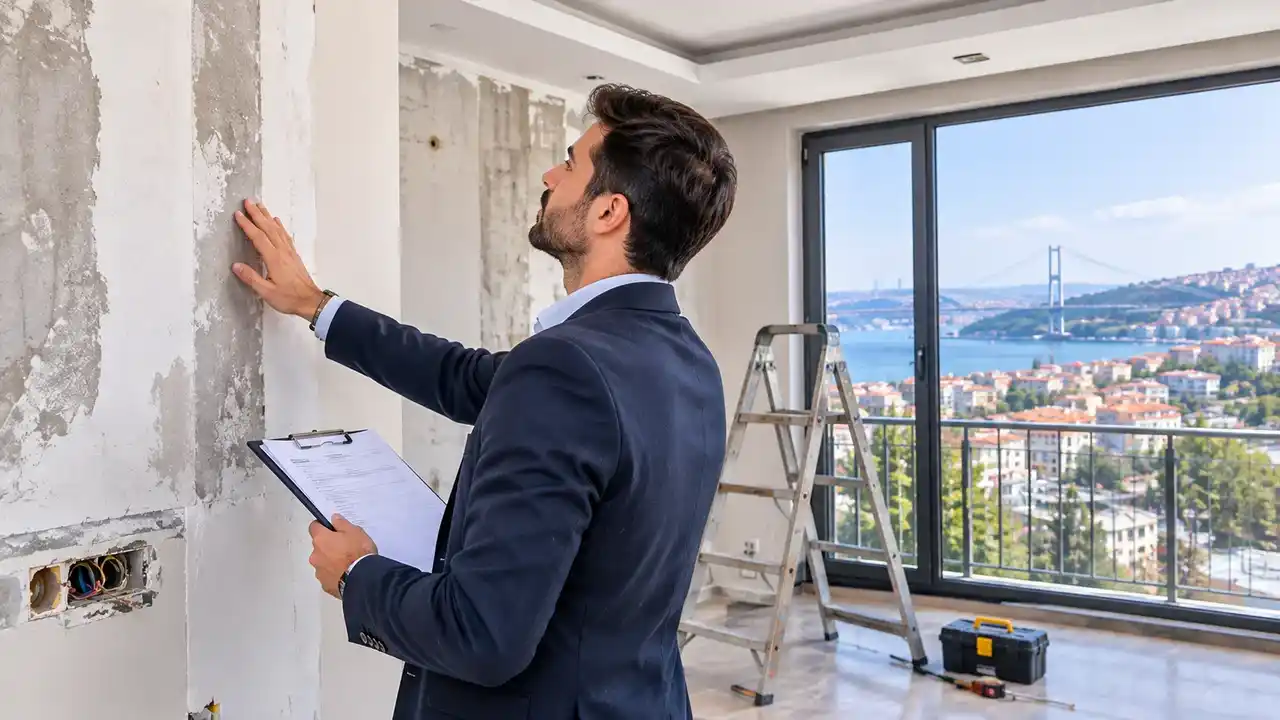
Buying an off-plan property in Georgia has become an option attracting the attention of investors seeking to benefit from new-project prices and payment plans linked to construction stages, particularly when looking to buy property in Georgia for residential or investment purposes.
With the spread of off-plan properties in Georgia in markets such as Tbilisi and Batumi, it is becoming increasingly important to study the project, developer, and contract before paying any amounts. Choosing to buy an off-plan apartment in Georgia based solely on location or price is not sufficient, because the unfinished nature of the property makes the details of the contract, registered rights, and future obligations essential elements in the decision.
This article discusses the most important points related to a property purchase contract in Georgia, how to verify the rights and restrictions associated with the property, and what should be reviewed in an off-plan property contract in Georgia.
It also explains the key risks of buying an off-plan property, the steps for reviewing a property purchase contract in Georgia, and the most important conditions for buying property in Georgia before making a financial commitment. The goal is to provide a practical framework that helps anyone interested in real estate investment in Georgia understand the legal and contractual risks associated with the project before completing the purchase.
Buying an Off-Plan Property in Georgia and the Key Verification Steps Before Purchase
Buying an off-plan property in Georgia requires verification procedures that differ in some respects from those involved in purchasing a completed property. An off-plan property is connected to land documents, the status of the project, construction documents, the developer’s rights, and the conditions for transferring ownership once the project is completed.
Verifying the Property Status in the Public Registry
The National Agency of Public Registry in Georgia, NAPR, is the official authority responsible for registering property rights and real estate data. Georgian legislation provides that ownership rights in a building or unit under construction can be registered on the basis of a document proving the right and the construction documents required by law.
Therefore, before buying an apartment in Georgia, it is important to verify the property data, cadastral number, landowner, and any registered rights or restrictions. The buyer should not rely solely on the marketing information provided by the developer, but should compare the information contained in the contract with the official records.
Verifying the Developer’s Rights to the Land
One of the most important steps when buying an off-plan property in Georgia is understanding the legal relationship between the developer and the land on which the project is being built. The developer may own the land or hold a legal right allowing it to develop the property, so the documents proving this relationship should be verified.
It should also be confirmed that the project does not depend on unclear rights or arrangements that could later affect the buyer’s ability to register the unit or obtain final ownership.
Reviewing Construction Documents
The project should not be treated simply as a residential unit offered for sale; rather, the legal and construction status of the building itself should be examined. Georgian rules provide that registration of a building or unit under construction is linked to the construction documents specified by legislation.
Therefore, documents related to the project should be requested and their details reviewed, including the scope of the project, the unit being purchased, the basic specifications, and the expected stages of construction.
Discover the steps to buying property in Georgia easily, from selecting the location and project to signing the contract and receiving the property, along with the key procedures investors need before purchasing.
Property Purchase Contract in Georgia and Contract Risks Before Purchase
A property purchase contract in Georgia is one of the most important documents defining the relationship between the buyer and the seller or developer. In the case of an off-plan project, the importance of the contract increases because delivery and ownership transfer are linked to future events that may take a long time.
Key Clauses to Check in an Off-Plan Property Contract in Georgia
An off-plan property contract in Georgia should clearly identify the parties, describe the unit, state its area, floor, property number or reference where available, price, currency, payment schedule, delivery date, and ownership transfer mechanism.
The clauses concerning changes to the design, area, or specifications should also be examined, because some contracts grant developers broad powers to modify certain elements of the project. The exact limits of these powers should be understood, as well as whether the buyer has the right to object, cancel, or recover payments in specific circumstances.
Delay Penalties and Delivery Date
One of the most important points is to establish the delivery date clearly and precisely, while specifying the procedures and rights that apply if the developer fails to meet the agreed deadline, including any compensation, penalties, or options available to the buyer.
The contract should not merely contain a general phrase such as "upon completion of the project." Instead, it should establish a clear mechanism for determining the date, acceptable extensions, and the financial consequences of delays.
Cancellation and Refund Conditions
Before buying an off-plan apartment in Georgia, it is necessary to understand the circumstances that allow the contract to be terminated, the required notice period, the mechanism for refunding payments, and any deductions or penalties that may apply.
Particular attention should be paid to clauses that make the refund of the initial payment or installment payments conditional upon specific events or procedures, while ensuring that these conditions, the time required to implement them, and the refund mechanism are clearly defined.
Pre-Registration of Rights
Georgian law allows the preliminary registration of a real estate right in the real estate rights registry based on an agreement between the parties. Preliminary registration prevents the registration of other rights over the property under the conditions stipulated by law, subject to certain cases and exceptions.
Therefore, when reviewing a property purchase contract in Georgia, it is advisable to verify with a local legal specialist whether it is appropriate to pre-register the right or obligation associated with the transaction and what protection this provides in the specific case.
Learn about the most important tips for buying affordable property in Georgia easily, and discover how to legally verify the property and avoid risks before making an investment decision.
Risks of Buying an Off-Plan Property in Georgia and How to Reduce Them
The risks of buying an off-plan property vary from one project to another, and the existence of an off-plan project does not necessarily mean that there is a legal problem. However, the nature of this type of investment makes prior verification more important because of future obligations related to construction, delivery, and registration.
Risks of Project Delays
An off-plan real estate project may experience delays due to various factors, such as financing difficulties, slow construction work, delays in permits and approvals, or problems involving contractors and suppliers, in addition to other circumstances that may affect the progress of the work.
Therefore, the buyer should carefully review the timeline specified in the contract, verify the delivery date and the mechanism for calculating any permitted extension, and understand the rights or compensation resulting from delays. The buyer should also not rely solely on the advertised marketing deadline, but should use the written contractual obligations as the basis for evaluating the project.
Risks of Differences in Specifications
The final area, finishes, materials used, or available facilities may differ from the initial concept presented to the buyer, particularly in projects that are still under construction.
Therefore, all technical specifications should be linked to the contract, its annexes, and the approved plans, with the expected area and the mechanism for calculating any difference clearly stated. The changes that the developer is entitled to make should also be defined, along with the buyer’s rights and options if material modifications occur that affect the property’s value or final specifications.
Developer Risks
Checking the developer’s commercial registration is an essential step before buying the property, along with reviewing previous projects, the company’s legal and financial status, and the authority of its representatives.
The relationship between the company and ownership of the land, as well as the entity responsible for implementing the project, should also be verified, and these details should be matched against official ownership and registration documents.
When several companies are connected to the project, the company that will sign the contract and assume obligations toward the buyer should be identified, including delivery, warranties, and financial responsibilities. The buyer should not rely merely on the brand name or real estate marketer.
Risks of Rights and Restrictions on the Property
The land or project may be subject to real rights, mortgages, or legal restrictions that should be verified before signing any contract. The National Agency of Public Registry in Georgia (NAPR) explains that official records include property rights, mortgages, tax liens, general restrictions, leases, and obligations related to property ownership.
The agency also provides a service for obtaining updated information about rights, obligations, restrictions, and mortgages registered against the property, helping buyers verify the legal status before completing the transaction.
Risks of Paying Money Before Protecting the Right
An important risk is paying substantial amounts before verifying the legal status of the property, the contract terms, and the mechanism for protecting payments. Therefore, the amount of each payment and its due date should be specified and linked to a clear stage of fulfilling the obligations. The procedures to be followed if the transaction fails or its fundamental conditions are not fulfilled should also be clearly stated.
Georgia’s "Smart Contract" service provides a payment mechanism through an escrow account, whereby the purchase amount is transferred to the seller after the buyer’s ownership is registered, with the possibility of returning the amount according to the contract terms if registration cannot be completed.
Discover the conditions for buying property in Georgia for foreigners in 2026, and learn about the key laws, procedures, and costs that should be understood to ensure a clearer and safer purchase and investment process.
Looking for a reliable real estate platform to sell your property quickly and transparently?
EmlakPlatform is not just an option, it is the smart solution for you. We combine advanced technology, full transparency, and professional support

Buying an Off-Plan Property in Tbilisi or Buying an Off-Plan Property in Batumi
The choice of location varies according to the buyer’s objective and the nature of the project. Therefore, buying an off-plan property in Tbilisi or buying an off-plan property in Batumi should not depend on price alone, but on a range of legal, financial, and investment factors.
Buying an Off-Plan Property in Tbilisi
When studying real estate projects in Tbilisi, the project’s location, surrounding infrastructure, nature of the area, relevant urban plans, developer reputation, and project construction stages should be evaluated.
The price should also be compared with similar projects in terms of location, specifications, and construction status. A low price alone should not be considered evidence of a good investment opportunity or a genuine advantage for the buyer.
Buying an Off-Plan Property in Batumi
In Batumi, investors may seek new residential units for personal use, rental, or investment purposes. In this case, the project model, facilities, management and maintenance costs, rental conditions, ownership structure, and expected delivery schedule should be studied.
Marketing promises regarding returns or expected occupancy rates should be separated from the actual legal obligations stated in the contract. Any financial guarantees or commitments should be clear and documented in the official contractual clauses.
Comparing the Project with Alternatives
Before investing in Georgian real estate, an off-plan property can be compared with a completed property in terms of price, speed of use, ownership clarity, and the level of risks associated with construction and delivery.
This comparison helps the buyer assess whether the lower price of an off-plan property justifies the level of risk and waiting period associated with the project compared with buying a completed property that is ready for use or investment.
Learn about the main risks of real estate investment in Georgia, and discover how safe property purchases are and the key factors that should be examined before making your investment decision.
Conditions for Buying Property in Georgia and the Pre-Contract Checklist
The conditions for buying property in Georgia require reviewing a range of documents and data before making a final commitment. For a foreign buyer, it is preferable to seek assistance from a lawyer or independent real estate consultant familiar with Georgian law, especially when the contract is lengthy or includes installment payments or special conditions.
Reviewing a Property Purchase Contract in Georgia
The review process can be organized into a clear checklist that includes:
- Verifying the identity of the seller or developer and their legal capacity.
- Verifying the landowner and the rights registered over the land.
- Reviewing the cadastral number and property unit data.
- Examining construction documents and the legal status of the project.
- Reviewing the price, currency, and payment schedule.
- Specifying the delivery date and extension conditions.
- Defining the unit specifications, area, and method of calculating the area.
- Reviewing conditions for modifying the project or specifications.
- Examining cancellation and payment refund conditions.
- Reviewing penalties and compensation for breach of contract.
- Verifying the mechanism for transferring and registering ownership.
- Identifying fees, taxes, and additional costs arising from the transaction.
The Importance of Official Documents
The contract or marketing brochure alone should not be considered a sufficient source of information. The Georgian Public Registry provides services for registering property rights, restrictions, mortgages, and cadastral data.
The law also provides for the registration of property ownership through a written transaction and registration of the ownership right in the public registry, making the registration stage a fundamental element in completing the transfer of ownership.
Protecting Payments
Georgia has a "Smart Contract" service provided by the National Agency of Public Registry, which, for eligible transactions, allows payment and registration procedures to be completed through a digital mechanism involving an escrow account, whereby the purchase amount is transferred to the seller after the buyer’s right is registered in accordance with the service conditions.
However, this mechanism does not mean that every purchase of an off-plan property will automatically be subject to the same procedures. Therefore, it is necessary to verify whether the service applies to the specific transaction and what its conditions are.
Discover the differences between Tbilisi and Batumi for real estate investment in Georgia, including prices, location, returns, and opportunities, to help you evaluate the options before buying property.
Table: Key Risks and Checks When Buying an Off-Plan Property in Georgia
| Aspect | Potential Risk | What Should Be Checked Before Purchase |
| Land ownership | Unclear rights holder | Obtain official records and verify the owner |
| Project status | Missing or incomplete documents | Review construction documents and legal status |
| Developer | Limited ability to complete the project | Check the company and previous projects |
| Delivery date | Project completion delays | Establish a clear date and extension conditions |
| Specifications | Unit differs from the offer | Include specifications and plans in the contract |
| Area | Difference in final area | Define the measurement and financial adjustment mechanism |
| Payments | Payments made without sufficient protection | Link payments to clear stages and conditions |
| Contract | Unbalanced clauses | Obtain an independent legal review before signing |
| Mortgages and restrictions | Third-party rights exist | Check the registry, restrictions, and mortgages |
| Final ownership | Delayed or impossible registration | Define developer obligations and registration procedures |
| Cancellation | Difficulty recovering funds | Review termination and refund conditions |
| Project changes | Changes to design or facilities | Define the developer’s powers and buyer’s rights |
Frequently Asked Questions About Buying an Off-Plan Property in Georgia
Yes, Georgian regulations allow rights to be registered over a building or unit under construction, subject to the legally required documents and paperwork. In certain cases, preliminary registration of the property right may also be possible based on an agreement between the parties.
Potential risks include construction delays, changes to specifications, unclear cancellation terms, issues related to land or project rights, as well as risks associated with the developer and the payment mechanism. The level of risk varies depending on the project, contract, and available documentation.
The contract should include the identities of the parties, a description of the property, the price, the payment schedule, the unit specifications, the delivery date, registration conditions, procedures for dealing with delays, changes, or breaches, as well as cancellation and refund terms.
Yes. Checking the property register and related property records is an important step for verifying rights, restrictions, liens, and information concerning the property or land. The National Agency of Public Registry provides official services related to this information.
Property can be part of a real estate investment strategy, but the decision depends on the price, location, project, developer, contract terms, ownership and operating costs, and investment objective. Therefore, the specific transaction should be evaluated rather than relying on general promises about returns.
Conclusion: Buying an Off-Plan Property in Georgia and Contract Risks Before Purchase
Buying an off-plan property in Georgia requires an assessment that goes beyond price and location, because the nature of the project requires verification of the land, developer, construction documents, registration mechanism, and delivery conditions. Reviewing a property purchase contract in Georgia is a key step in identifying rights, obligations, and risks related to delays, changes, cancellation, and refunds.
The decision to buy an off-plan property in Tbilisi or an off-plan property in Batumi should also be based on a legal and financial assessment of the project rather than the marketing offer alone.
Before investing in Georgian real estate, official records and documents should be reviewed, and an independent legal specialist should be consulted when necessary, particularly for long-term contracts or projects involving installment payments.
Ultimately, understanding the risks of buying an off-plan property and verifying the conditions for buying property in Georgia before signing can help the buyer make an informed decision and reduce potential contractual risks.