Investing in Turkish Land: Promising Opportunities with Future Returns
Investing in Turkish land offers long-term value, capital growth, and strategic opportunities driven by urban expansion, infrastructure development, and market demand.
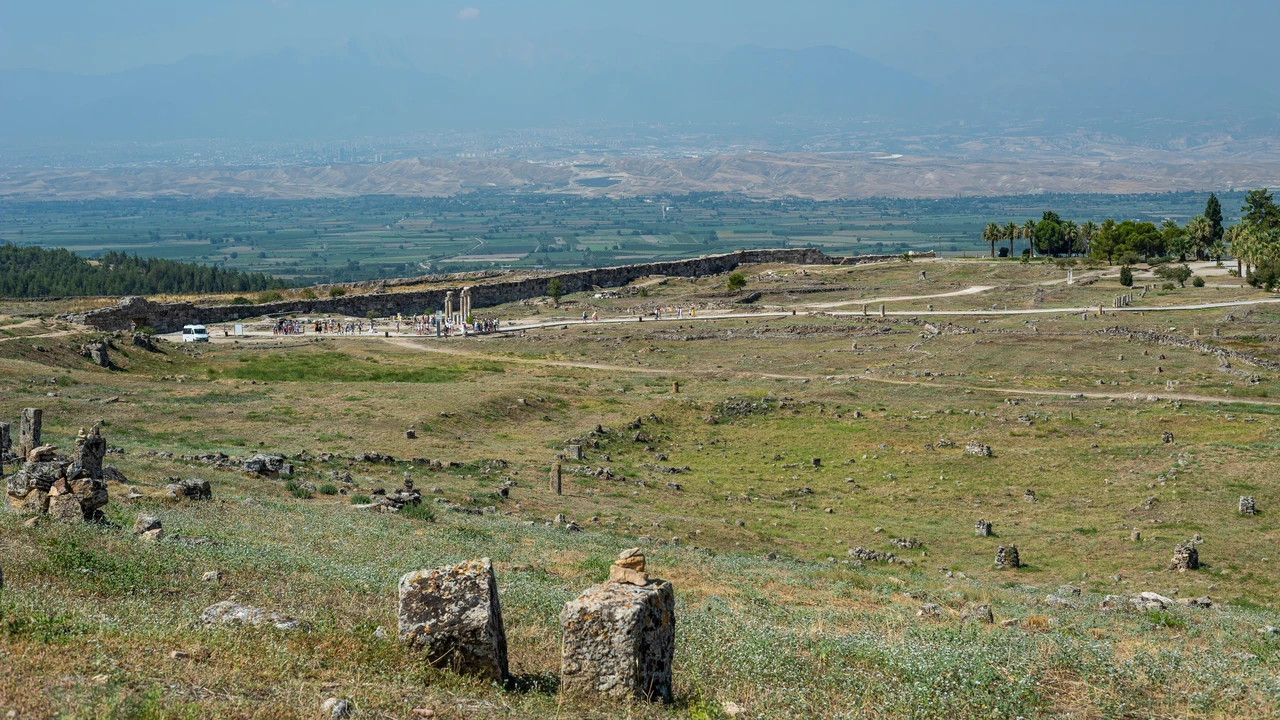
Investing in Turkish land has become one of the most attractive real estate investment sectors in recent years, not only because of Turkey’s strategic geographic location or its continuous population growth, but also because land by its nature represents a long-term investment asset capable of preserving value and generating high future returns when the right location and timing are chosen. When we talk about investing in Turkish land, we are not merely referring to purchasing a plot of land, but rather to a conscious reading of economic trends, state urban planning policies, expansion strategies, and infrastructure development that shape the future of cities and regions. This type of investment is relevant for anyone seeking to diversify assets, achieve capital gains over the medium and long term, or develop a real estate project that starts from land ownership and ends with sustainable returns. In this comprehensive analytical article, you will learn about the concept of investing in Turkish land, the reasons behind its appeal, its types, advantages, risks, and how to make a smart investment decision based on clear criteria away from randomness or purely promotional temptations.
Why Interest in Investing in Turkish Land Is Increasing
Economic Transformations and Their Role in Increasing Land Value
Turkey is experiencing rapid economic transformations linked to urban expansion, transportation network development, and large-scale infrastructure investments, all of which directly impact land values. When the state announces a new highway, airport, or industrial zone, surrounding land areas often witness gradual price increases. A smart investor does not focus solely on current prices, but rather on what may happen over the next five or ten years, which is precisely what makes investing in Turkish land an attractive opportunity for those with a future-oriented mindset.
Population Growth and Urban Expansion
Turkey is characterized by continuous population growth, in addition to internal migration from rural areas to major cities. This urban expansion creates growing demand for housing, commercial, and service projects, meaning that the need for land will continue to increase. The closer the land is to an urban plan or an expected expansion zone, the higher its potential for value appreciation over time.
Land as a Relatively Low-Risk Investment Asset
Compared to other investment tools, land stands out as a tangible asset that does not deteriorate or easily lose its value. Prices may fluctuate in the short term, but in the long run land tends to appreciate, especially in countries with dynamic economies and strategic locations like Turkey. For this reason, many investors prefer allocating part of their capital to land as a means of preserving value.
Types of Land Suitable for Investment in Turkey
Residential Land
Residential land is the most in-demand category among investors, especially plots located within or near officially approved urban zoning plans. This type of land offers multiple options, such as building in the future or reselling after price appreciation. Choosing residential land requires careful study of zoning plans and permitted construction types.
Commercial Land
Commercial land includes plots designated for shops, shopping centers, or office buildings. These lands are often more expensive, but they also offer higher return potential when developed or sold to other investors. Location plays a decisive role in the success of commercial land investments.
Agricultural Land
Investing in agricultural land in Turkey is an attractive option for those seeking lower entry prices and long-term growth opportunities, especially in areas gradually transforming into residential or tourist zones. Some investors purchase agricultural land with the intention of holding it until its zoning status changes, which can lead to a significant increase in value.
Tourism Land
With the growth of tourism in Turkey, land located in tourist regions has emerged as a promising investment opportunity. Such land can later be used to develop hotels, resorts, or other tourism-related projects. Returns largely depend on location and proximity to beaches or tourist attractions.
Advantages of Investing in Turkish Land
Lower Entry Cost Compared to Developed Projects
In many cases, purchasing land is less expensive than buying a completed property, allowing investors to enter the market with relatively lower capital. This provides greater flexibility in managing the investment and waiting for the optimal timing to sell or develop.
High Flexibility in Future Planning
Owning land gives you the freedom to decide the best course of action at the right time, whether building, selling, or holding it as a long-term asset. This flexibility makes land a suitable option for investors who do not want direct operational commitments.
High Capital Returns in the Long Term
Profits from land investment are often capital gains realized upon resale after value appreciation. With the right location choice, these returns can be substantial compared to other investment types.
Minimal Operating Costs
Unlike developed properties that require maintenance and management, land involves minimal operating expenses, reducing the financial burden on investors.
Challenges and Potential Risks
Long Waiting Period to Realize Profits
Land investment requires patience, as returns are generally not immediate. Investors seeking steady monthly income may not find land investment suitable for their goals.
Zoning and Planning Risks
Not all land is easily buildable or developable. Some plots may be subject to zoning restrictions or environmental regulations that limit investment potential. Therefore, thorough legal and zoning review is essential before purchasing.
Market Fluctuations
Although land prices generally trend upward, the market may experience periods of slowdown or stagnation, affecting the speed of profit realization. Dealing with such fluctuations requires a long-term perspective.
How to Choose the Right Land for Investment
Careful Location Analysis
Location is the most critical factor in investment success. Consider proximity to city centers, transportation networks, and announced future projects.
Verifying Legal Status
Before purchasing, ensure clear ownership, zoning designation, and absence of legal disputes or restrictions that could hinder use or resale.
Analyzing Future Development Plans
Understanding municipal and governmental expansion plans helps predict growth directions and future price increases.
Consulting Specialized Experts
Working with real estate and legal consultants reduces risks and provides clearer insight into the market.
Smart Strategies to Maximize Returns from Land Investment
- Purchasing land in developing areas before infrastructure projects are completed
- Diversifying investments across multiple regions to reduce risk
- Holding land long enough to achieve genuine value growth
- Monitoring zoning changes and benefiting from any land reclassification
The Role of Land Investment within a Balanced Investment Portfolio
Investing in Turkish land should not be the sole investment option, but rather part of a diversified portfolio that includes different asset classes. Including land in such a portfolio adds stability and long-term growth potential, especially amid global economic volatility.
Frequently Asked Questions About Investing in Turkish Land: Promising Opportunities with Future Returns
Yes, foreign investors can invest in Turkish land under specific legal regulations, provided they verify land type and permitted ownership zones. Areas near major cities or regions undergoing infrastructure development and urban expansion are often the most attractive. Generally, land investment is long-term in nature, with stronger returns achieved over the medium to long term rather than quick gains. Residential land is zoned for construction, while agricultural land often requires rezoning to achieve higher returns. By conducting location analysis, legal verification, consulting experts, and avoiding rushed decisions.
Conclusion
Investing in Turkish land represents a genuine opportunity for those who think strategically and long term, seeking an asset that preserves value and grows over time. Success in this field does not depend on luck, but on research, analysis, patience, and choosing the right location. If you are considering entering the real estate investment market, Turkish land may serve as a strong foundation for building a stable and profitable investment future, provided your decisions are based on clear knowledge and well-studied vision.