Property for Sale in Greece | Best Locations | Emlak Platform
Cities
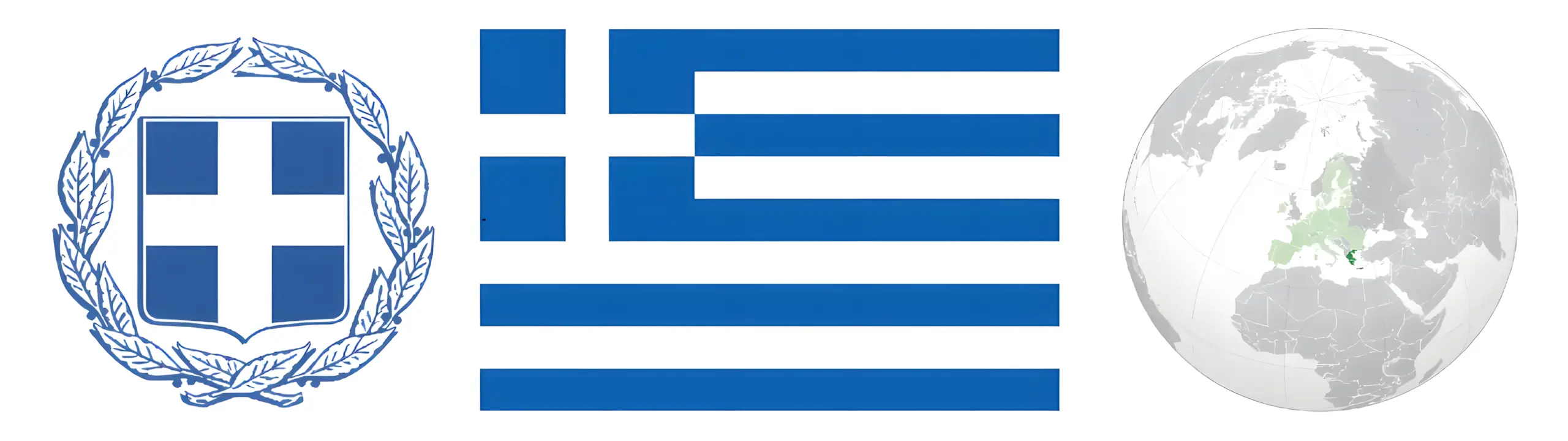
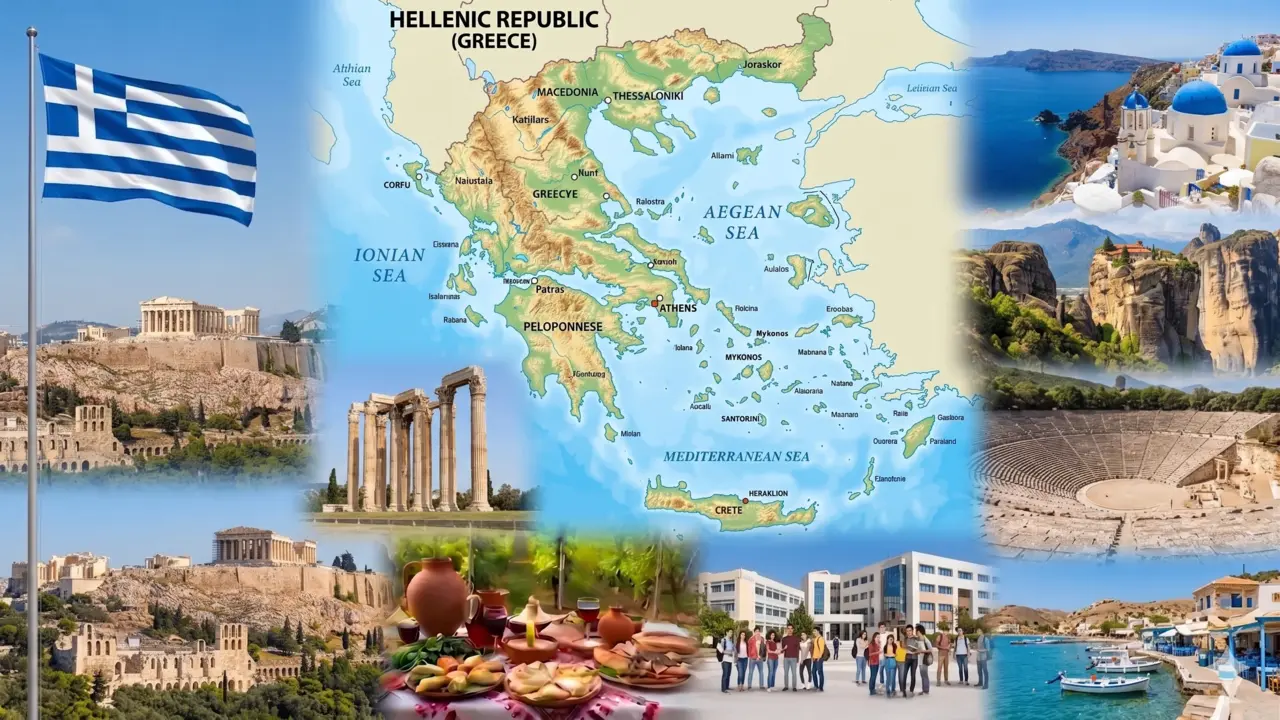
Greece is located in Southeast Europe, at the southern tip of the Balkan Peninsula, and is considered a cultural and geographical bridge connecting Europe, Asia, and Africa. It is officially known as the Hellenic Republic and is the cradle of democracy, Western philosophy, the Olympic Games, and the sciences and literatures that shaped the features of the contemporary world.
Ancient History (From Ancient Times to the Modern Era)
Ancient Greece (The Golden Age)
- Early Civilizations: It began with the Minoan civilization in Crete and the Mycenaean civilization on the mainland.
- The Era of City-States: Athens and Sparta emerged as dominant powers; Athens was famous for being the source of democracy and arts, while Sparta was distinguished by its strict military strength.
- Philosophical and Scientific Legacy: This era gave birth to giants of thought such as Socrates, Plato, and Aristotle, and scientists such as Pythagoras and Archimedes.
The Hellenistic Period and the Byzantine Empire
- Alexander the Great: He led an expansionist campaign that spread Greek (Hellenistic) culture from Egypt to the borders of India.
- Roman and Byzantine Rule: Greece became a vital part of the Roman Empire, and then transformed to become the heart of the Greek-speaking Byzantine Empire for more than a thousand years, preserving the Orthodox Christian heritage.
Ottoman Rule and the War of Independence
Greece was subject to Ottoman rule for several centuries until the outbreak of the Greek War of Independence in 1821, which ended with international recognition of Greece's independence as a modern state in 1830.
Geography and Natural Diversity
Location and Area
Greece possesses the longest coastline in the Mediterranean basin and is characterized by thousands of islands (approximately 2,000 islands) which constitute 20% of the total area of the country.
Terrain and Mountains
Greece is a mountainous country par excellence, as mountains cover about 80% of its land. Mount Olympus is considered the highest peak in the country and is a place of great mythological importance in Greek mythology.
Climate
A Mediterranean climate prevails, characterized by hot, dry summers and mild, wet winters, making it one of the most attractive tourist destinations in the world throughout the year.
Political System and Administration
- System of Government: A parliamentary republic with two heads of power; the President of the Republic (a largely ceremonial position) and the Prime Minister (the head of government and holder of executive powers).
- Membership in International Organizations: Greece is a founding member of the United Nations and a member of the European Union (since 1981) and the North Atlantic Treaty Organization (NATO).
- Administrative Division: The country is divided into 13 administrative regions, in addition to the Mount Athos region, which enjoys self-governance.
Most Prominent Cities and Landmarks
| City | Importance and Features |
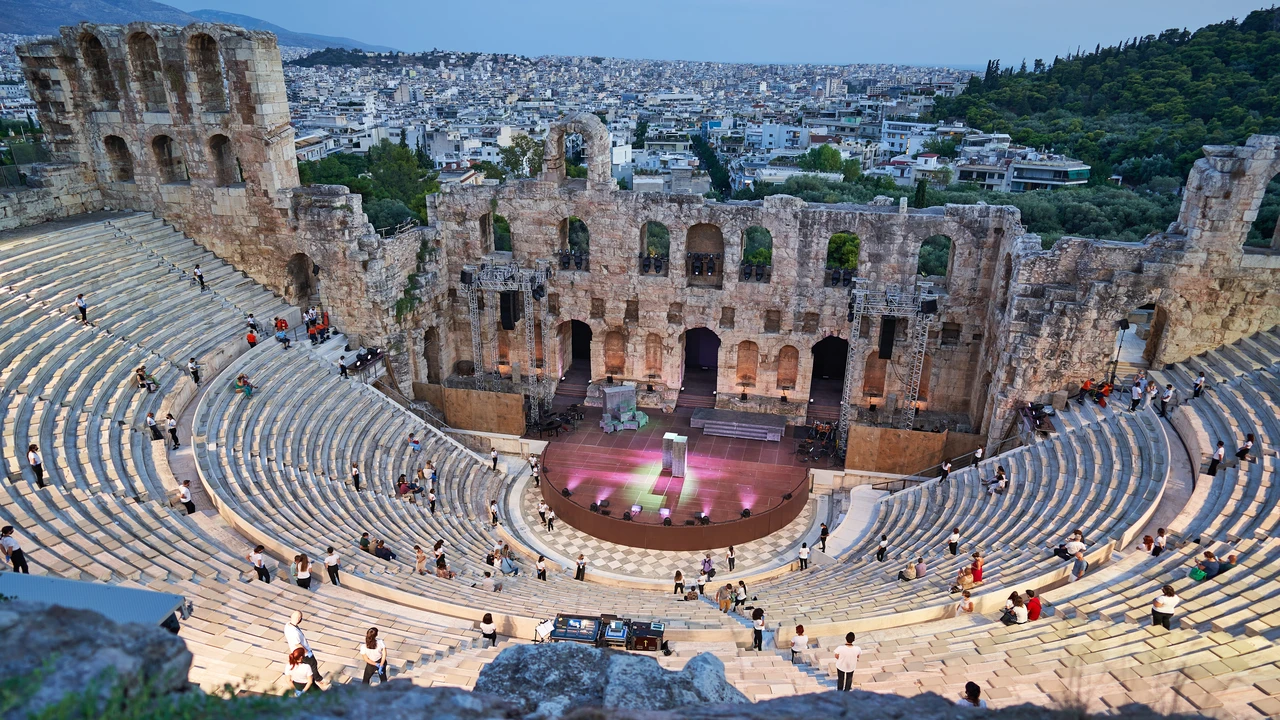
| Athens | The capital and largest city, containing the Parthenon temple and a history spanning 3,400 years. |
| Thessaloniki | The cultural capital and the north of the country, famous for its nightlife and Byzantine monuments. |
| Patras | An important commercial center and a port connecting Greece with Italy and Western Europe. |
| Heraklion | The largest city of the island of Crete and a gateway to the ancient Minoan civilization. |
The Economy and Vital Sectors
Tourism Sector
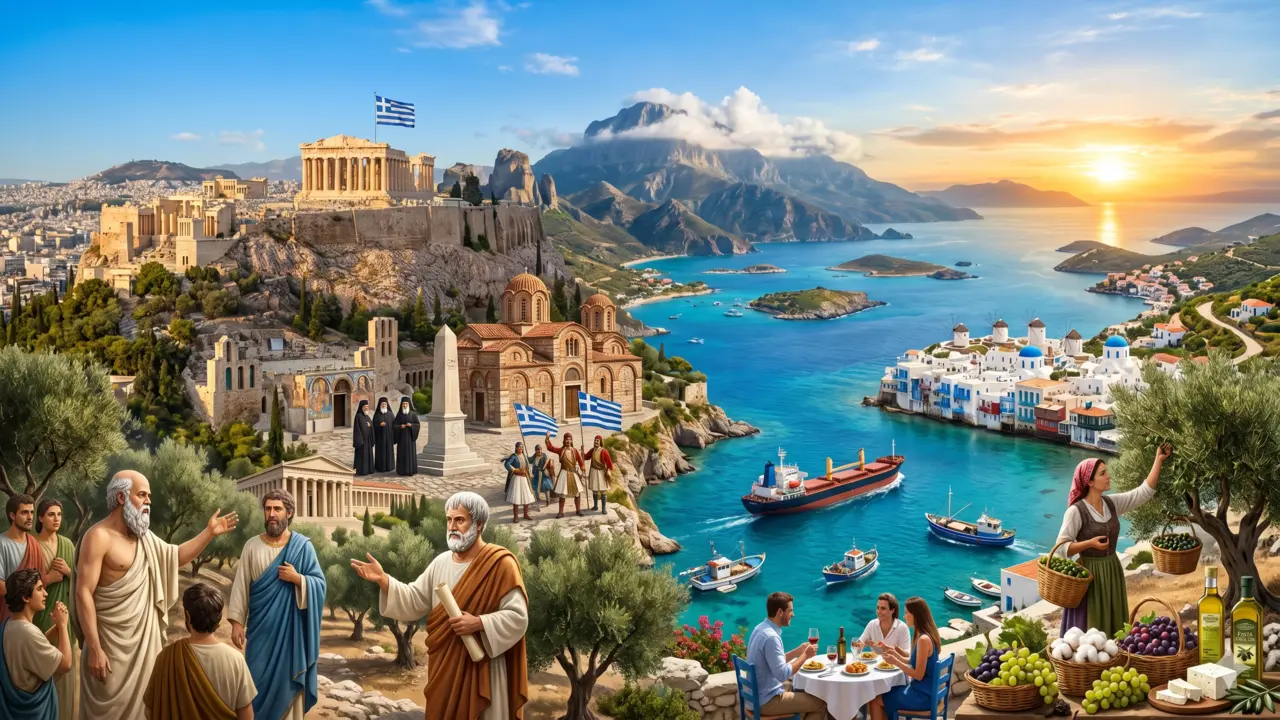
Tourism is the backbone of the Greek economy, as it receives millions of visitors annually wishing to visit archaeological sites (such as the Acropolis) and charming islands (such as Santorini and Mykonos).
Maritime Navigation
Greece possesses one of the largest merchant fleets in the world and plays a leading role in international maritime trade.
Agriculture and Industry
It is famous for producing high-quality olive oil, grapes, cotton, and dairy products (such as Feta cheese), in addition to food processing and textile industries.
Culture and Society
- Language: The Greek language is one of the oldest living languages in the world, with a written history extending back more than 3,500 years.
- Religion: The vast majority of the population belongs to the Greek Orthodox Church, which plays an important role in preserving the national identity.
- Arts and Literature: Greek creativity continued in the modern era with writers who won Nobel Prizes such as Odysseas Elytis and Giorgos Seferis.
Comprehensive Guide to the Hellenic Republic (Greece)
| Category | Details and Information |
| Geographical Location | Located in Southeast Europe, at the southern tip of the Balkan Peninsula; acts as a bridge between Europe, Asia, and Africa. |
| Historical Title | The cradle of democracy, Western philosophy, the Olympic Games, and the sciences and literatures that shaped the contemporary world. |
| Historical Eras | Early Civilizations (Minoan & Mycenaean), City-States (Athens & Sparta), Hellenistic Period (Alexander the Great), Roman & Byzantine eras, and Ottoman rule until independence in 1830. |
| Prominent Philosophers | Socrates, Plato, and Aristotle. |
| Terrain & Climate | A mountainous country (80% mountains), possesses the longest coastline in the Mediterranean, and includes approximately 2,000 islands. Mediterranean climate (hot, dry summers; mild, wet winters). |
| Highest Peak | Mount Olympus (of great mythological significance). |
| Government System | Parliamentary Republic; President (ceremonial) and Prime Minister (Head of Government and executive powers). |
| International Memberships | Founding member of the UN, member of the European Union (EU) and NATO. |
| Economic Pillars | Tourism (Acropolis, Santorini), Maritime Navigation (one of the world's largest merchant fleets), and Agriculture (Olive oil, Feta cheese). |
| Cultural Identity | Greek language (one of the oldest living languages), and the majority belong to the Greek Orthodox Church. |
Conclusion
Greece is not just a tourist destination with breathtaking natural beauty; it is a reservoir of human knowledge and history that still influences our current laws, philosophy, and sciences. It is the country that taught the world how to think freely and how to create with beauty.