Find Affordable Property Options in Athens
Discover Athens, a city of ancient heritage, modern growth, and vibrant investment
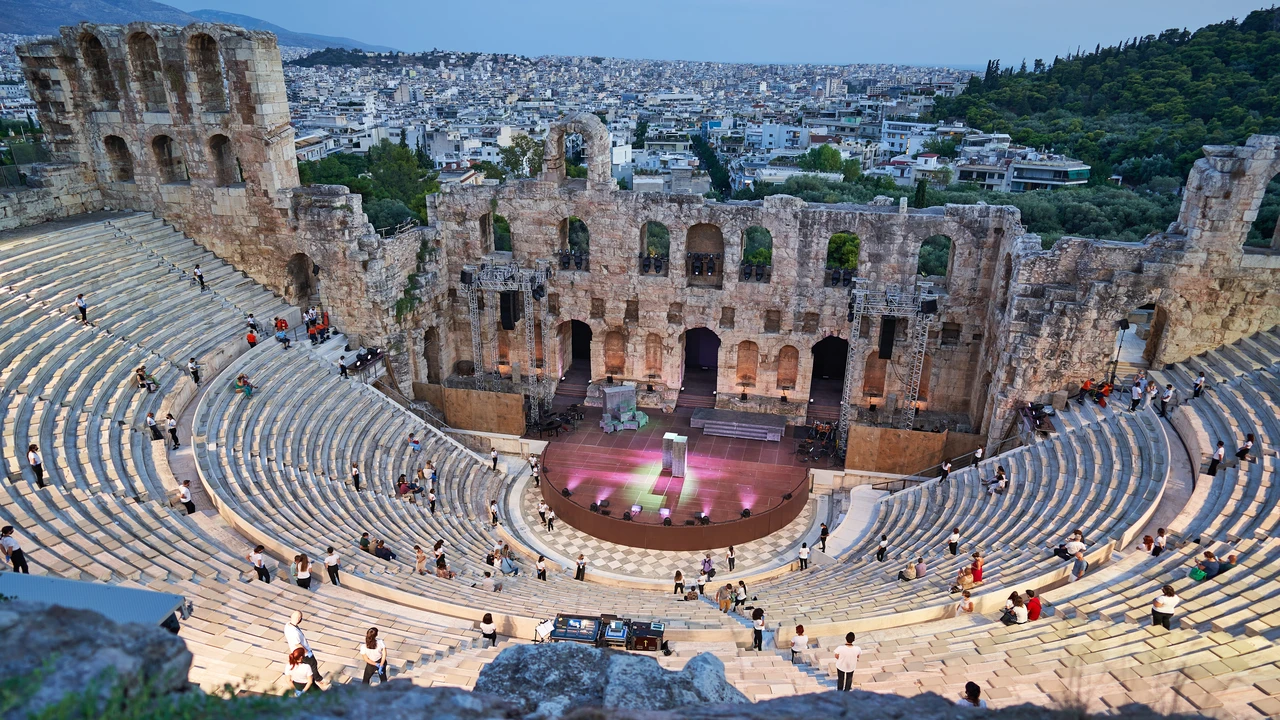
Regions
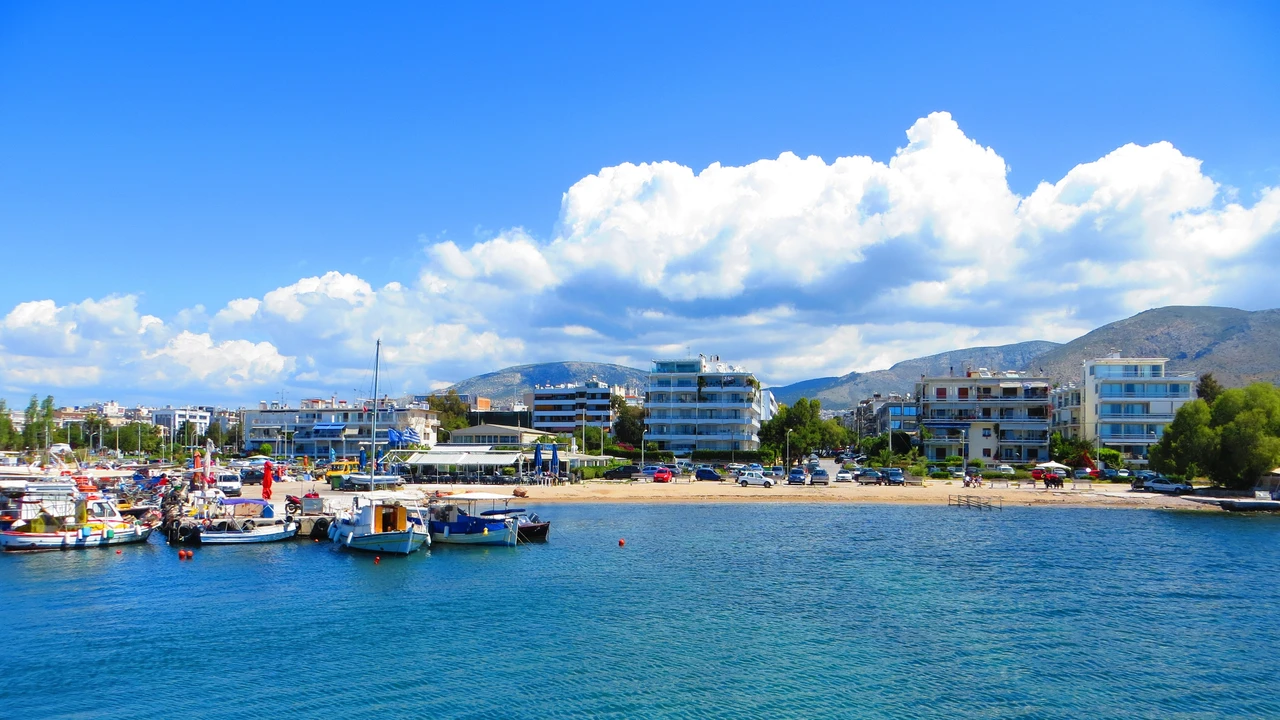
Glyfada, SE Athens, blends strategic seaside location, vibrant lifestyle, and strong real estate investment potential wi...
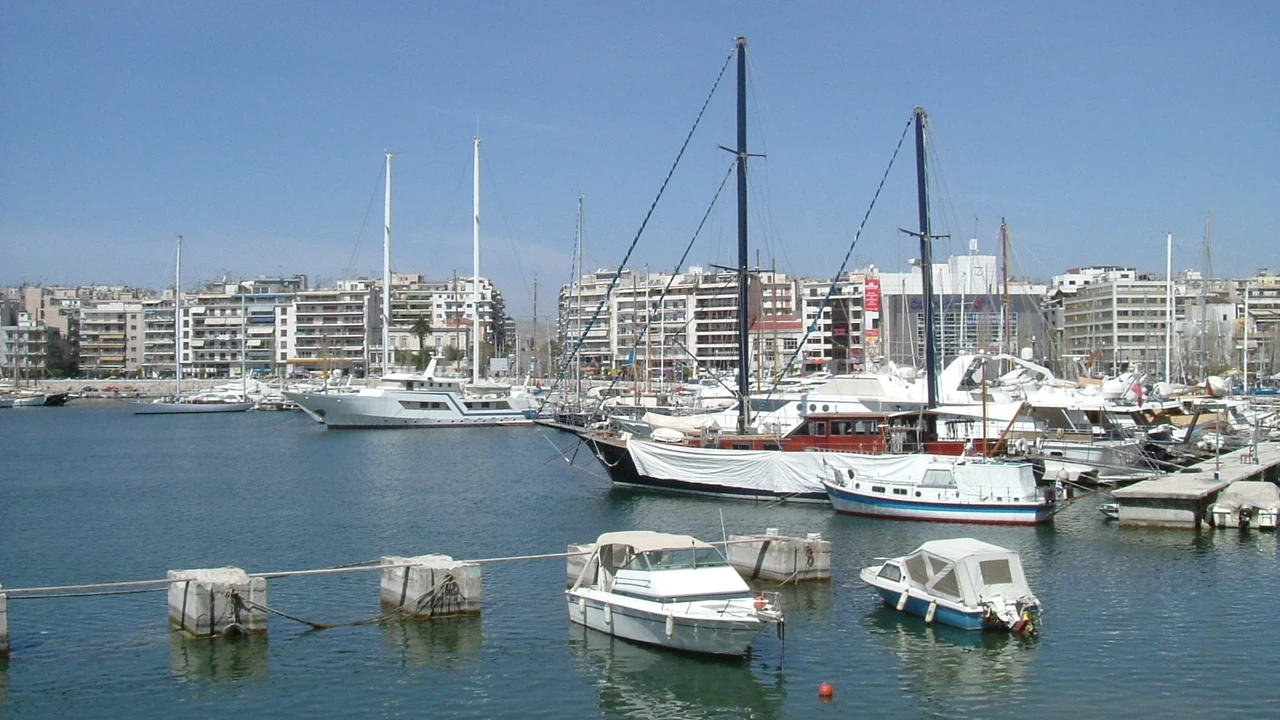
Piraeus, Athens' historic port and key industrial and economic hub, offers promising real estate investment opportunitie...
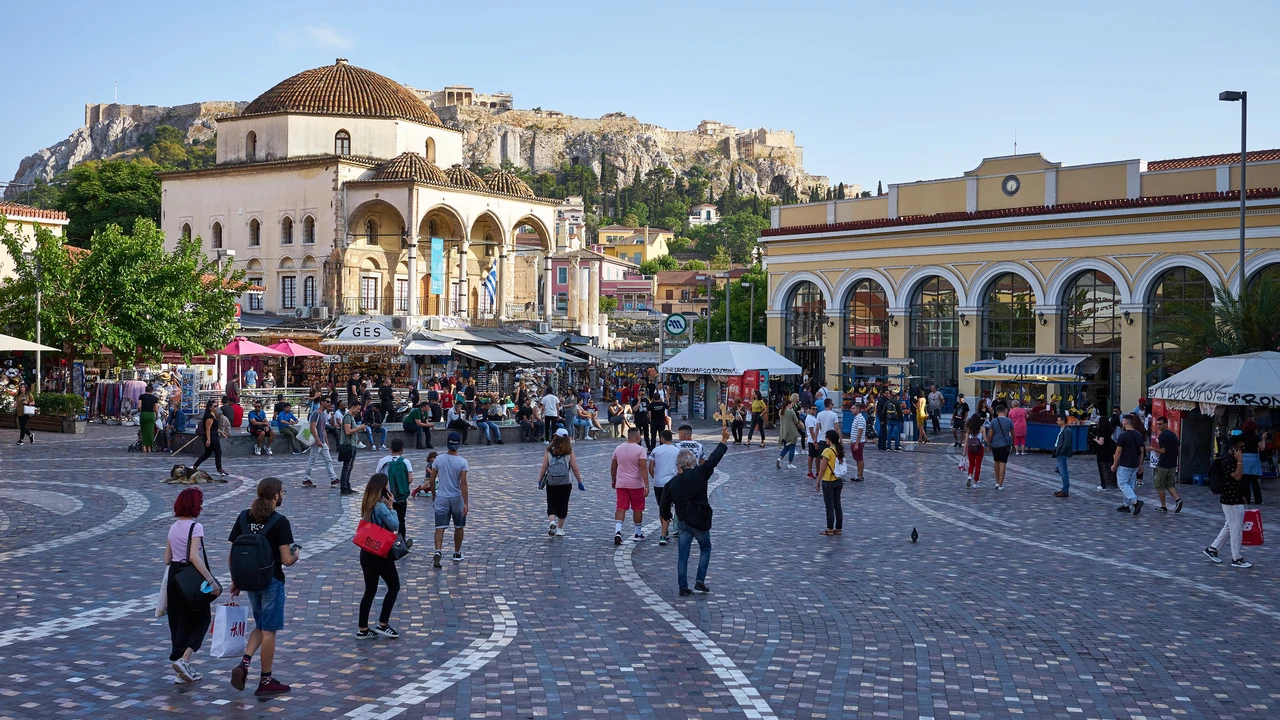
Monastiraki in Athens: a historic heart evolving into a vibrant investment hub. Central location near the Acropolis, Ago...
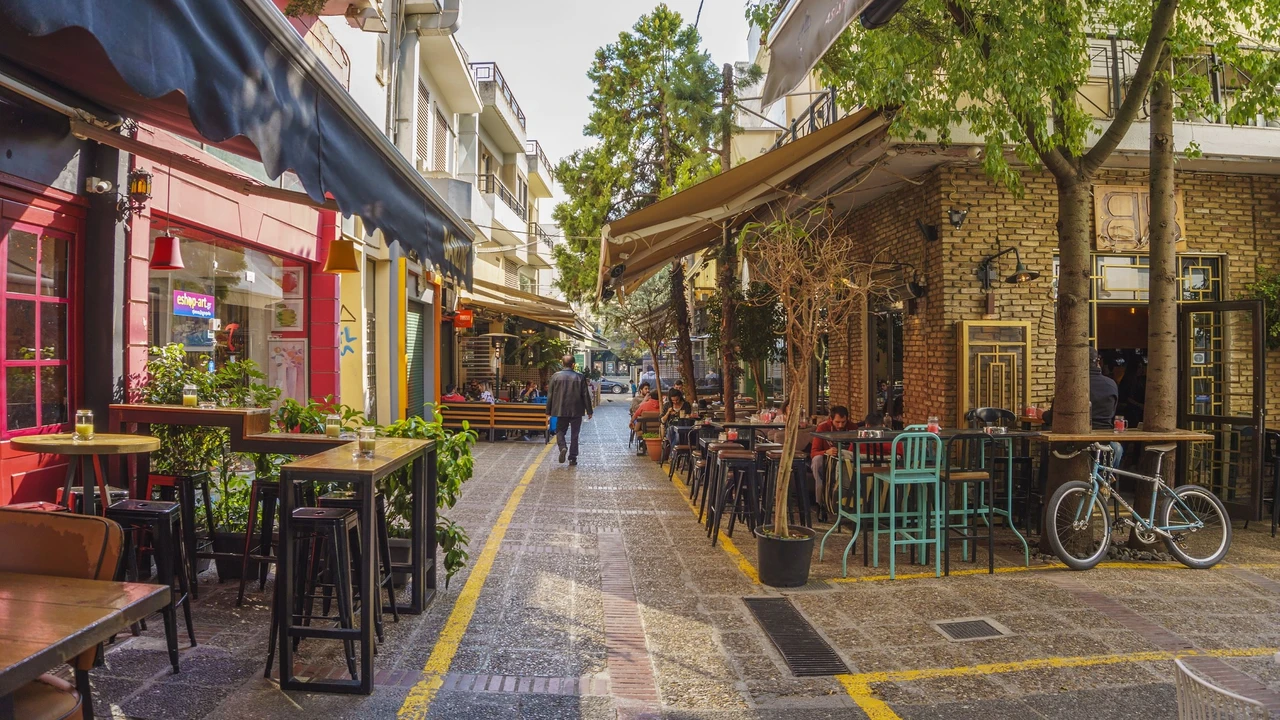
Chalandri in Athens stands out as a promising real estate investment hub, blending rich history with strategic location...
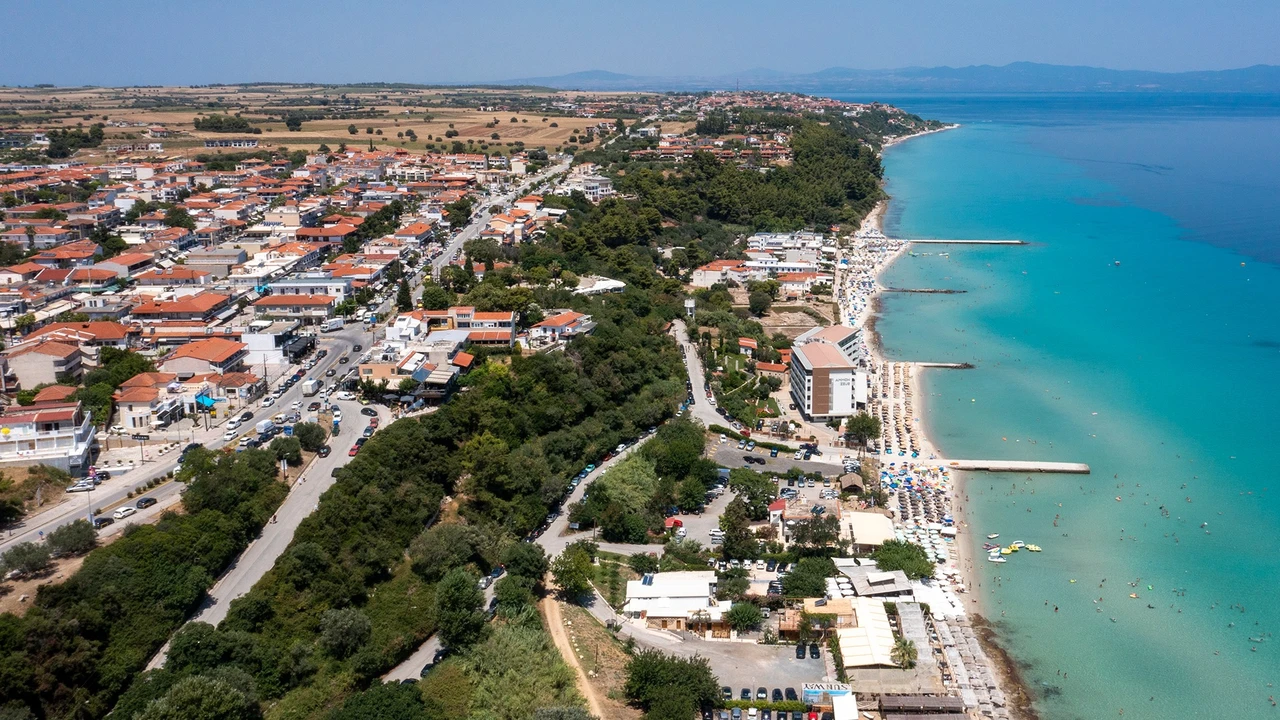
Greece is rebounding economically, becoming a premier real estate investment destination with opportunities in Kallithea...
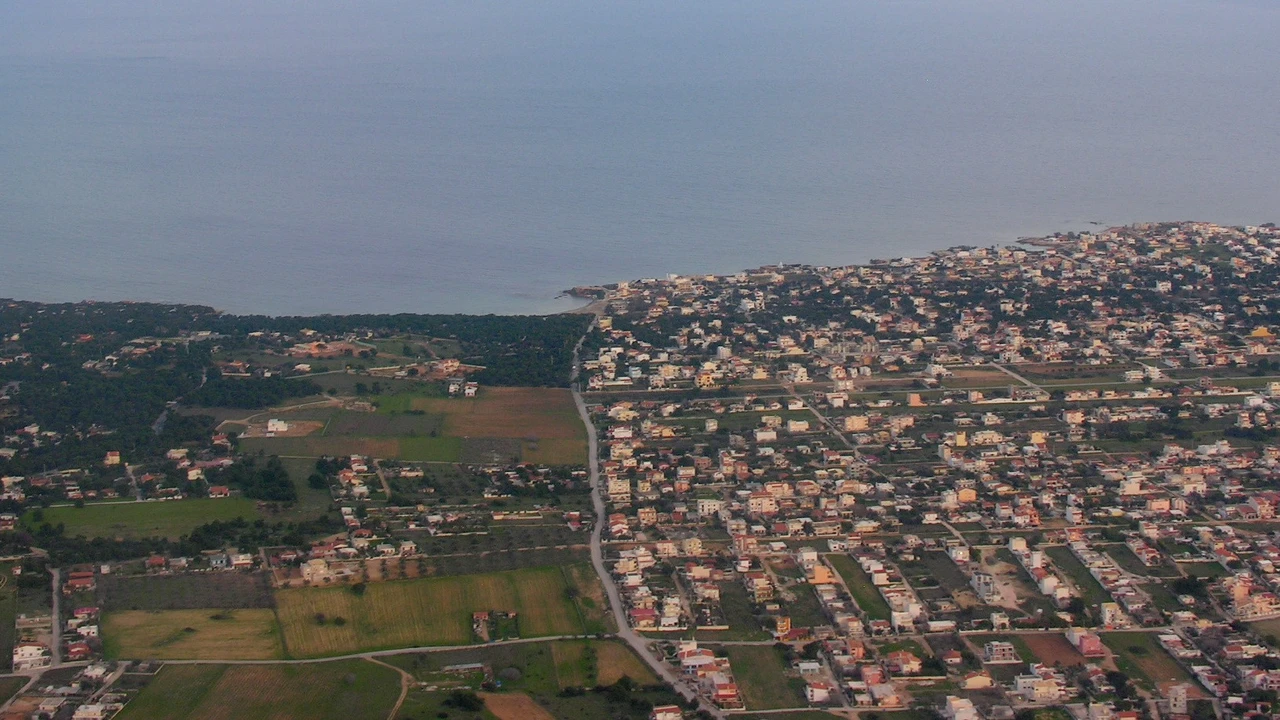
Artemida in Attica offers a strategic coastal setting, rich history, steady population growth, modern infrastructure, an...
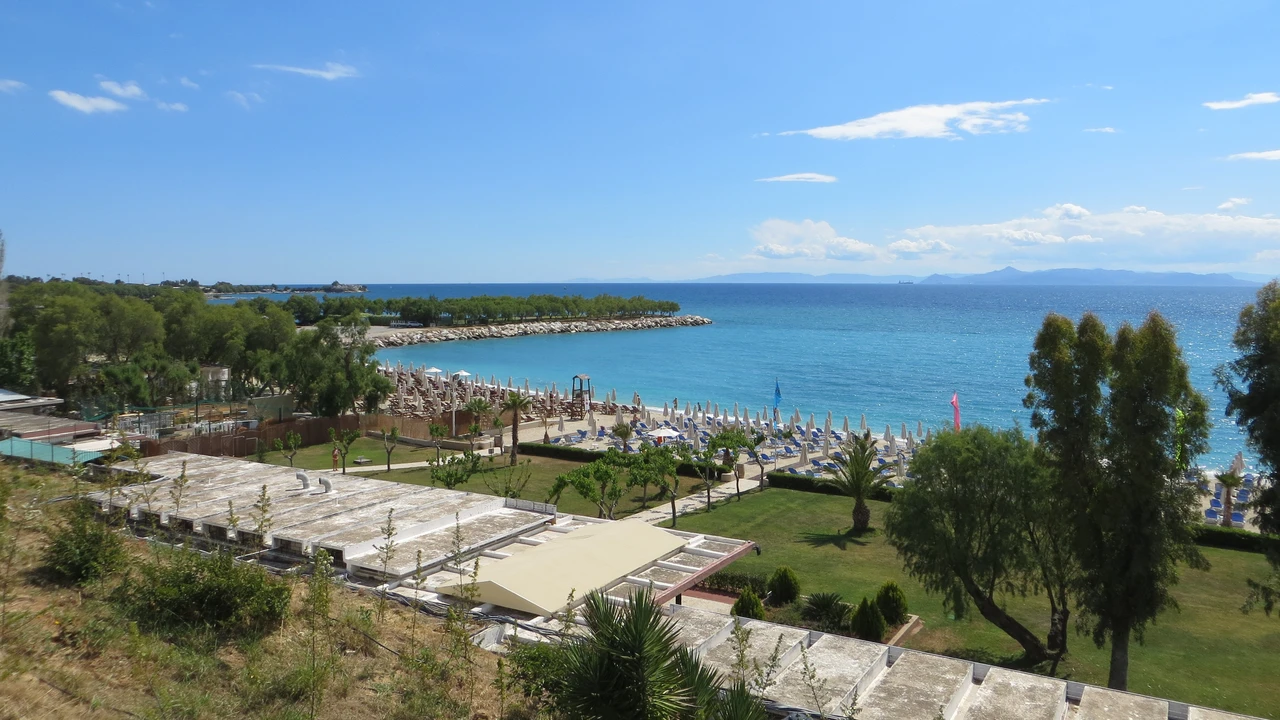
In the heart of sunny Athens, Alimos shines as a prime investment jewel with strategic coastal location, strong infrastr...
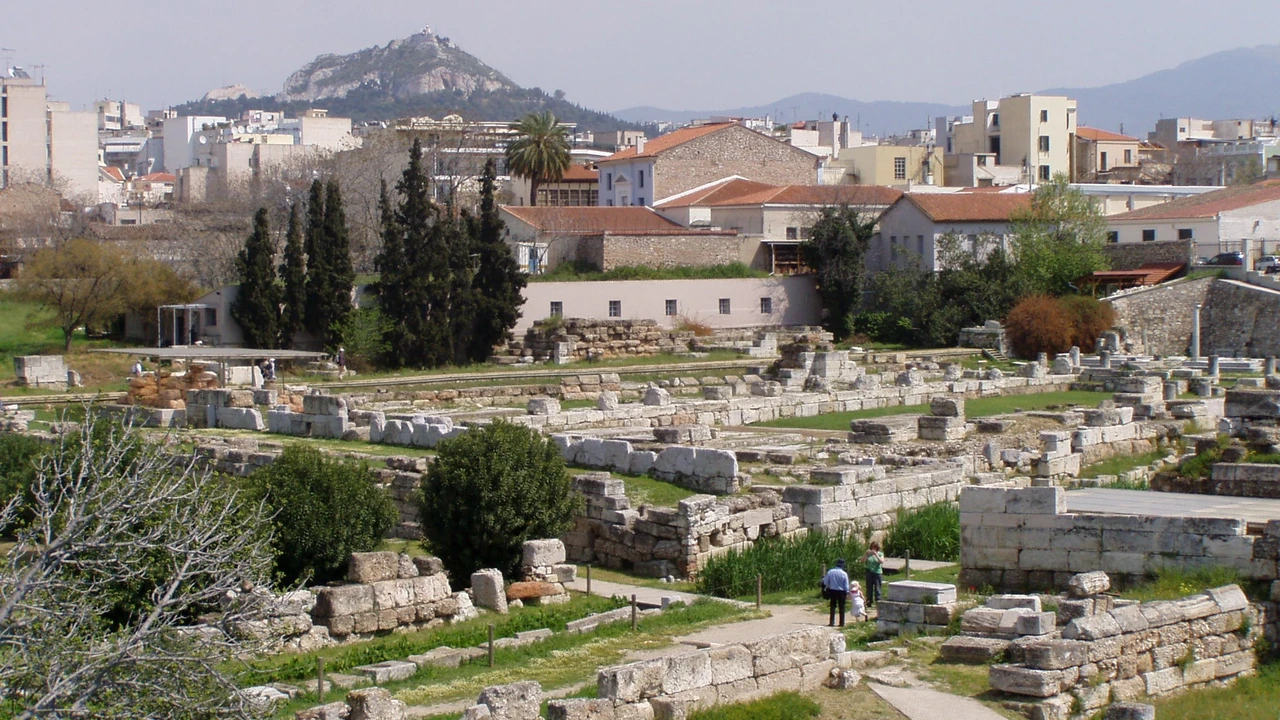
The Kerameikos neighborhood proves that a successful property is not just a concrete space, but an extension of the plac...
Athens, the capital and largest city of Greece, boasts a rich history and a vibrant present, linking the cradle of Western civilization with the evolution of modern urban life. Known by various names in Arab heritage, such as "City of the Olive Tree" and "City of the Wise," Athens is located in the heart of the Attica region and overlooks the Saronic Gulf. Its history spans thousands of years, recounting how the city originated around the hills and evolved into a cultural, tourist, and economic capital in Southeastern Europe.
Why is Athens a Global City with Economic Significance?
- Historical and Cultural Importance: Athens is the birthplace of democracy and philosophy, home to legendary and historical landmarks such as the Acropolis, the Parthenon, the Agora, and the Acropolis Museum. The presence of the Daphni Monastery and UNESCO World Heritage sites further enhances its cultural and tourist value.
- Advanced Infrastructure: Relatively modern, with a modern international airport, an extensive metro network, and large ports like the Port of Piraeus, which is one of the most prominent passenger ports in Europe, as well as a major connecting point to the Mediterranean Sea.
- Financial and Commercial Hub: Athens is one of the most prominent economic centers in Southeastern Europe, hosting an active banking and commercial sector, with a real estate and commercial infrastructure that serves local and foreign investment.
- Growing Services and Tourism Sector: Tourism is a major part of its economy, along with services, construction, light industries, food, paper, and printing.
Geography and Climate
- Geographical Location: Athens is located in the central Attica plain, surrounded by mountain ranges such as Hymettus, Penteli, and Parnitha, and overlooks the Saronic Gulf from the southwest.
- Climate: A Mediterranean climate with hot, dry summers and mild, wet winters. Summers can experience high temperatures in the urban center due to population density and building concentration, while winters tend to be moderately cold with average rainfall.
- Environmental Challenges: Heat reflection and the city's geomorphology contribute to air pollution at certain times, which is a focus of sustainable development initiatives and public transport funded by international development programs.
History and Cultural Identity
- Long History: Athens is an ancient city dating back to the second millennium BC, and its name is associated with the goddess Athena, the symbol of wisdom. In classical times, it was a center of thought, art, and science, and the city of philosophers Plato, Lyceum, and Aristotle. Its history and culture are highlighted through temples, monuments, libraries, and museums.
- World Heritage: Athens has two UNESCO World Heritage sites (the Acropolis and Daphni Monastery), in addition to numerous museums such as the National Archaeological Museum, the Acropolis Museum, and the Benaki Museum, among others.
- Cultural Identity: Athens is not only an open-air museum but also a modern city full of restaurants, cafes, museums, galleries, and contemporary cultural events, with rich theatrical traditions and diverse artistic activities.
Economy and Real Estate Investment
- Economic Structure: Athens' economy relies on tourism and construction, in addition to the banking and insurance sectors, and light industries such as textiles, leather, paper, and food. The presence of a strong financial center provides opportunities for stable and circulating capital.
- Real Estate Investment: With economic changes and infrastructure development (such as the expansion of Athens Airport, the development of the metro network, and the announcements of the 2004 Olympic Games), Athens has witnessed significant real estate activity in past years. With Greece's focus on promoting investment and simplifying procedures, Athens remains a potential option for investors interested in:
- Investing in residential apartments for rent in urban and upscale areas such as the city center and areas close to public services.
- Mixed residential/commercial projects in gateway areas to the greater Athens area, which includes several municipalities and densely populated areas that connect residential life and economic activities.
- Investing in tourism and hospitality through hotels or hotel apartments in tourist locations near the Acropolis and historical areas.
- Transformative initiatives for infrastructure and public services, which often receive support from European and Greek policies.
Top Cultural and Tourist Attractions in Athens
- The Acropolis: The most famous archaeological landmark in Athens and the center of the ancient city on a hill overlooking the city.
- The Parthenon: The iconic Greek temple on the Acropolis.
- **The Agora, Pnyx Hill and the remains of the Classical School.
- Museums: The National Archaeological Museum, the Acropolis Museum, the Benaki Museum, as well as Byzantine and Christian museums.
- Arts and Theater: A rich history of festivals and plays in the Theater of Dionysus and major concert halls and summer festivals.
- Sports: Hosting the Olympic Games (1896 and 2004) and the presence of modern sports infrastructure makes it a sports and cultural center.
Real Estate Investment Tips in Athens
- Choosing Locations: Areas close to the historical center, the greater city, public transport hubs, universities, ports, and tourist areas often offer stable rental yields and continuous tourist flows.
- Regulatory Status: Following Greek laws and regulations related to foreign investment and taxes, including any tax incentives or facilities related to construction and leasing.
- Long-Term Appreciation: Property value in Athens is affected by tourism growth rates and infrastructure development, so it is preferable to look at long-term options with good rental performance.
- Professional Consultation: Working with local real estate consultants and investment companies with experience in the Athens market to ensure compliance, transparency, and risk assessment.
Conclusion
Athens combines a deep history, rich culture, and modern economic opportunities in one place. If you are looking for a city that combines a unique cultural experience and promising real estate investment potential, Athens remains a worthy option to consider. By leveraging its ancient history and modern infrastructure, and the growth of the services and tourism sectors, investors can engage with a diverse real estate market that offers many opportunities for growth and profitability in the medium and long term.