The Kerameikos neighborhood in Athens
The Kerameikos neighborhood proves that a successful property is not just a concrete space, but an extension of the place's story and identity.
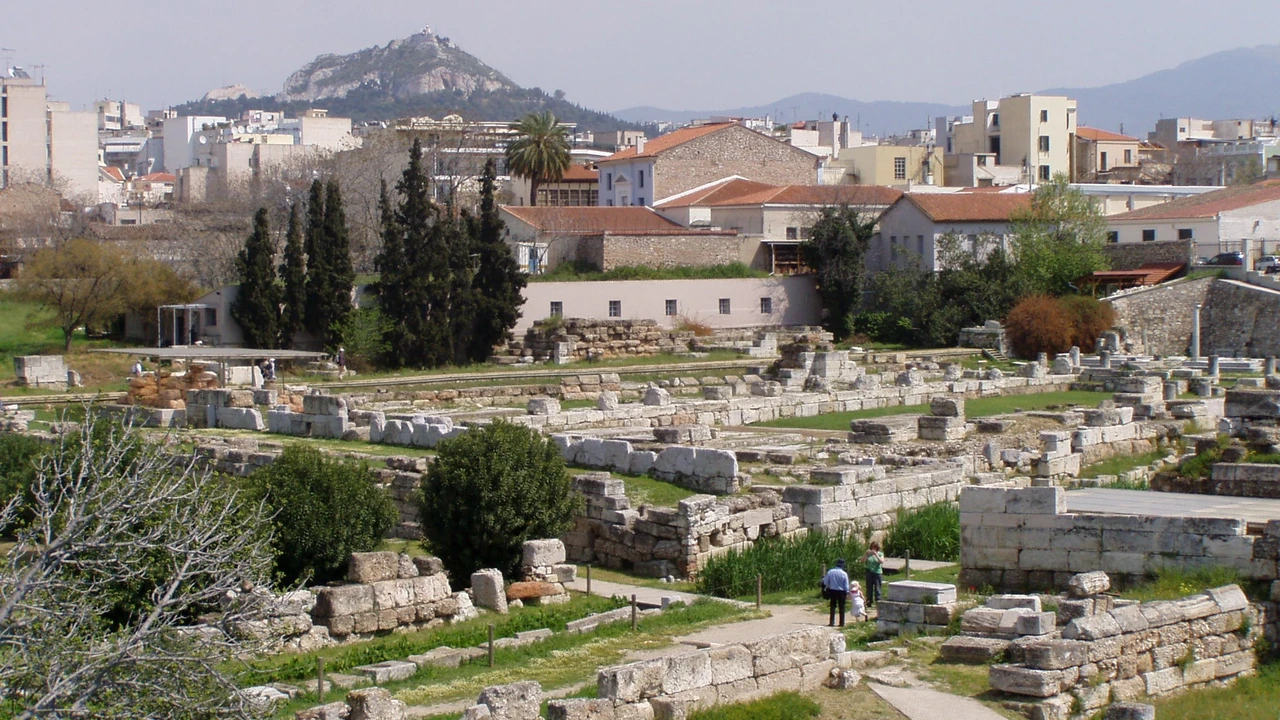
The Greek capital, Athens, combines a history spanning thousands of years with modern economic dynamism. Among its many neighborhoods, Kerameikos stands out as one of the most important historical landmarks, which has transformed in modern times into an exceptional investment and cultural hub.
This ancient neighborhood is located northwest of the Acropolis, extending along both banks of the "Eridanos" river, forming a unique link between Athens' glorious past and its promising real estate future.
Historical Roots: The Cradle of Pottery and Royal Tombs
The name "Kerameikos" originates from the Greek word "kéramos," meaning potter's clay. In ancient times, this neighborhood was home to potters and ceramic makers (from which the English word "Ceramic" is derived). Historically, the area was divided into two parts separated by the famous Themistoclean Wall:
Inner Kerameikos: This represented the vibrant center of pottery production within the city walls.
Outer Kerameikos: This housed the official cemetery of ancient Athens, and from it, the "Sacred Way" led to the city of Eleusis. It was in this place that the famous leader Pericles delivered his moving funeral oration in 431 BC.
The neighborhood witnessed major historical upheavals, from the Roman invasion led by Sulla and the destruction of the ancient "Platinum" building, to modern archaeological discoveries in the 19th and 20th centuries. These discoveries unearthed thousands of tombs and rare pottery pieces that are now displayed in the Kerameikos Archaeological Museum.
The Investment and Real Estate Significance of Kerameikos Today
Kerameikos is no longer merely an archaeological site visited by tourists; it has transformed into one of the most sought-after neighborhoods in the Athenian real estate market. The investment significance of the area is based on several strategic pillars:
- Strategic Geographical Location and Infrastructure
The neighborhood is located within walking distance of major Athenian landmarks such as the Acropolis and the Monastiraki area. Additionally, the district includes the Kerameikos metro station, connecting it easily and quickly to all parts of the capital and Athens International Airport, a crucial factor in raising the market value of properties.
- Tourism Boom and High Demand for Short-Term Rentals (Airbnb)
Thanks to the presence of museums, open archaeological sites, and charming neoclassical buildings, the neighborhood is a preferred destination for tourists and intellectuals. This demand guarantees real estate investors high and continuous rental returns through short-term rental platforms, given visitors' desire to stay in a town that combines the tranquility of history with the vibrancy of the nearby nightlife in the "Gazi" area.
- Capital Appreciation Potential
Given that large parts of the area surrounding the archaeological site are still under development and excavation, property prices in Kerameikos are expected to continue to rise. Buying old properties, renovating them, and converting them into luxury apartments or "boutique hotels" represents an investment opportunity with high-profit margins.
- Attractive Cultural and Artistic Environment
The neighborhood is characterized by its trendy nature, where the scent of the past blends with modern cafes and art galleries. This unique blend attracts the younger generation, expatriates, and digital nomads, ensuring a diversity of tenants and buyers alike.
Area Details
Male
Female