Beautiful Villas and Flats in Muratpasa
Muratpaşa, Antalya: rich history and strategic location linking Kaleici with the Med coast, a cultural and tourism gem.
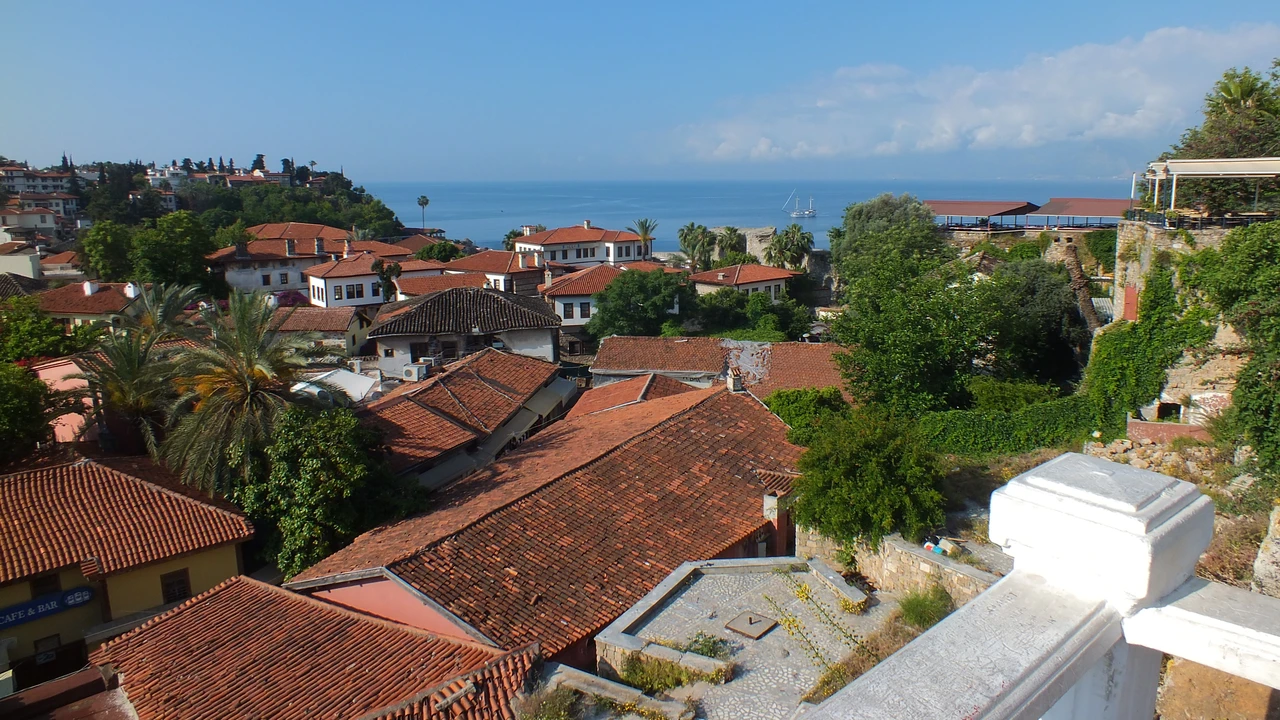
Muratpaşa is considered a sparkling jewel in the heart of Antalya, Turkey, embracing a rich history, a thriving present, and a promising future. Muratpaşa was established as a municipality affiliated with the Antalya Metropolitan Municipality in 1993, alongside the Kepez and Konyaaltı districts. In 2008, Muratpaşa earned its status as an independent district, securing a distinguished place within Antalya's urban fabric.
Distinctive Geography:
Muratpaşa lies between longitudes 30-31 degrees and latitudes 36-37 degrees, granting it a strategic location on the Mediterranean coast. The district spans an area of 96 square kilometers and includes 64 vibrant residential neighborhoods. The district's boundaries do not encompass any towns, villages, farms, or other settlements, underscoring its integrated urban character. Muratpaşa is bordered by Kepez to the north, Aksu to the east, and Konyaaltı to the west, making it a vital link between different parts of Antalya. The district's average elevation above sea level is 54 meters, while its stunning coastline stretches for 20 kilometers, attracting visitors and tourists from around the world.
Historical and Cultural Treasures:
Muratpaşa is home to "Kaleiçi," the first urban settlement in Antalya, meaning "Inner Castle" or "Old City." Kaleiçi is renowned for its ancient history and unique architecture, where the influences of successive civilizations that passed through the region intertwine. Muratpaşa is rich in important historical landmarks, including:
- Kaleiçi Houses: A large number of them have been restored, and they are characterized by their traditional design, which reflects the lifestyle of the past.
- Balbey Neighborhood Houses: Considered a wonderful example of local architecture, adding a special charm to the area.
- Hadrian's Gate: Known locally as "Üç Kapılar," meaning "Three Gates," it was built in honor of the Roman Emperor Hadrian on the occasion of his visit to Antalya in 130 AD.
- Fluted Minaret: Known as "Yivli Minare," it has been a symbol of Antalya since the 13th century and is considered a unique architectural masterpiece.
- Muratpaşa Mosque: Built in 1570 during the Ottoman era, it is one of the most prominent historical mosques in Antalya.
- Karatay Madrasa: Located in Kaleiçi, dating back to 1250, it is a beautiful example of Seljuk architecture.
- Artistic Sculptures: Scattered throughout the region, adding a modern aesthetic touch.
A Rich History Spanning the Ages:
Muratpaşa's history is intertwined with the history of Antalya itself, as the district is considered the oldest settlement in the Antalya metropolitan area. In the Hellenistic period, King Attalus II of Pergamon (159-138 BC) founded a city and port in the region and named it "Ataleia" due to its strategic importance. In Arab sources, the city was known as "Antaliyah," while in Turkish sources, it was known as "Adalia." Since the first quarter of the 20th century, the city has been known as "Antalya."
After the fall of the Kingdom of Pergamon (133 BC), the city remained independent for a while, then fell into the hands of pirates. In 77 BC, the commander Servilius Isauricus annexed the city to Roman territory. In 67 BC, the city became a base for Pompey's fleet. In 130 AD, Emperor Hadrian's visit to the city of Attaleia contributed to its prosperity and development.
Since the modern city has been built on the ruins of the ancient settlement, the ancient remains in Antalya are relatively few. Among the few remaining monuments, one can see part of the harbor barrier that was considered the ancient port, in addition to the wall surrounding the port. The walls of the city of Antalya in the Hellenistic period surrounded the city, which was designed in the form of a theater. In the Byzantine era, the walls were reinforced with a second wall and a moat.
It is known that the first walls of Antalya were built during the reign of Attalus II. In 130 AD, the Roman Emperor Hadrian built "Hadrian's Gate" during his campaign in Antalya, and he also restored the eastern part of the walls. Antalya became an important commercial port during the Byzantine era (from 395 AD), especially in the field of trade in the Mediterranean. Since the 7th century AD, the city was subjected to Arab raids and was briefly occupied in 860 AD by Al-Fadl ibn Karin, commander of the Abbasid Caliph Al-Mutawakkil.
It is known that the walls were restored during the reign of the Byzantine Emperor Leo VI and his son Constantine Porphyrogenitus (912-914 AD). During this period, the walls were surrounded by a second wall and a moat outside the wall.
The ancient city of Antalya was protected by two walls in the shape of a horseshoe, one from the sea and the other from the land. In addition, there were walls separating the residential centers within the city. The outer walls included many towers at equal intervals of about fifty steps. The walls of Antalya date back to ancient times. They were generally built by the Romans on foundations dating back to the Hellenistic era and were expanded or restored during the Seljuk era. Many stone blocks with ancient characteristics were used in the walls. Until the late 19th century, the walls were almost intact.
Today, only some of the towers inside the city, Hadrian's Gate, and the Clock Tower remain.
Muratpaşa, with its rich historical heritage, prominent cultural landmarks, and distinguished geographical location, remains the beating heart of Antalya and a favorite tourist destination for visitors from all over the world.
Area Details
Male
Female