Best Places to Buy Property in Tiblisi
Tbilisi, or Tiflis as it was known to the Arabs in the Middle Ages, is the vibrant heart of Georgia, and its largest and most dynamic capital.
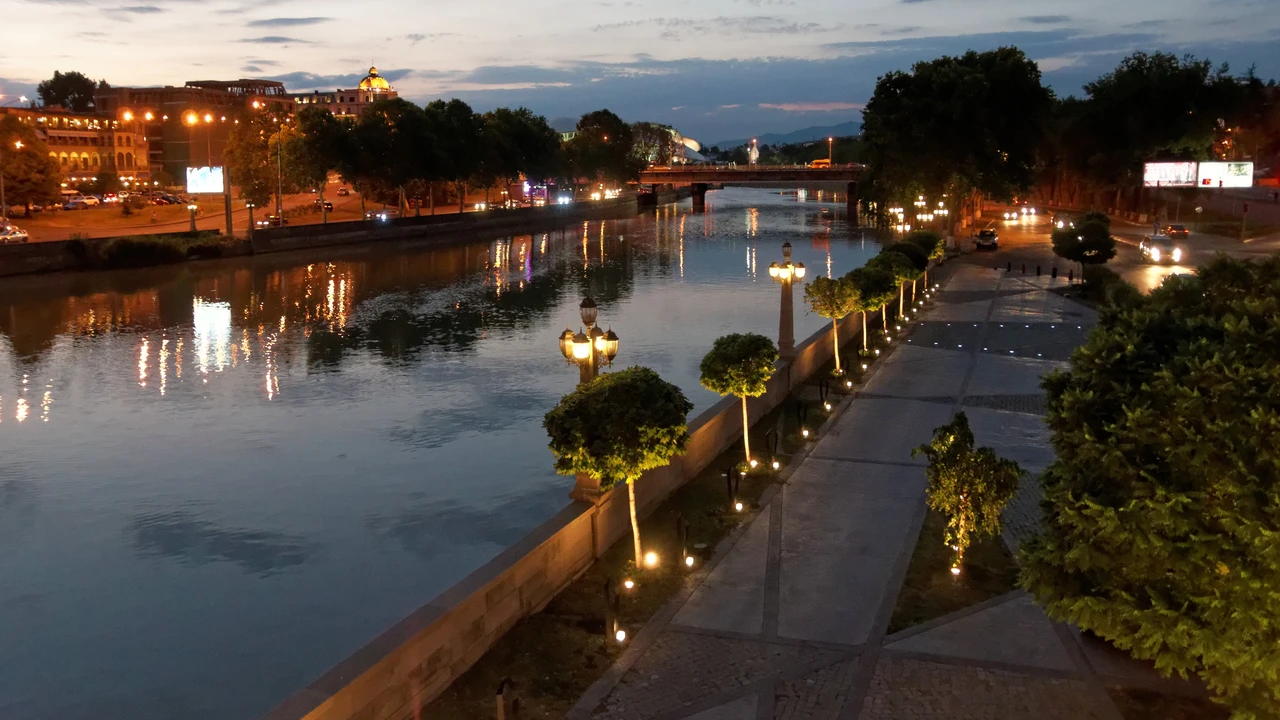
Regions
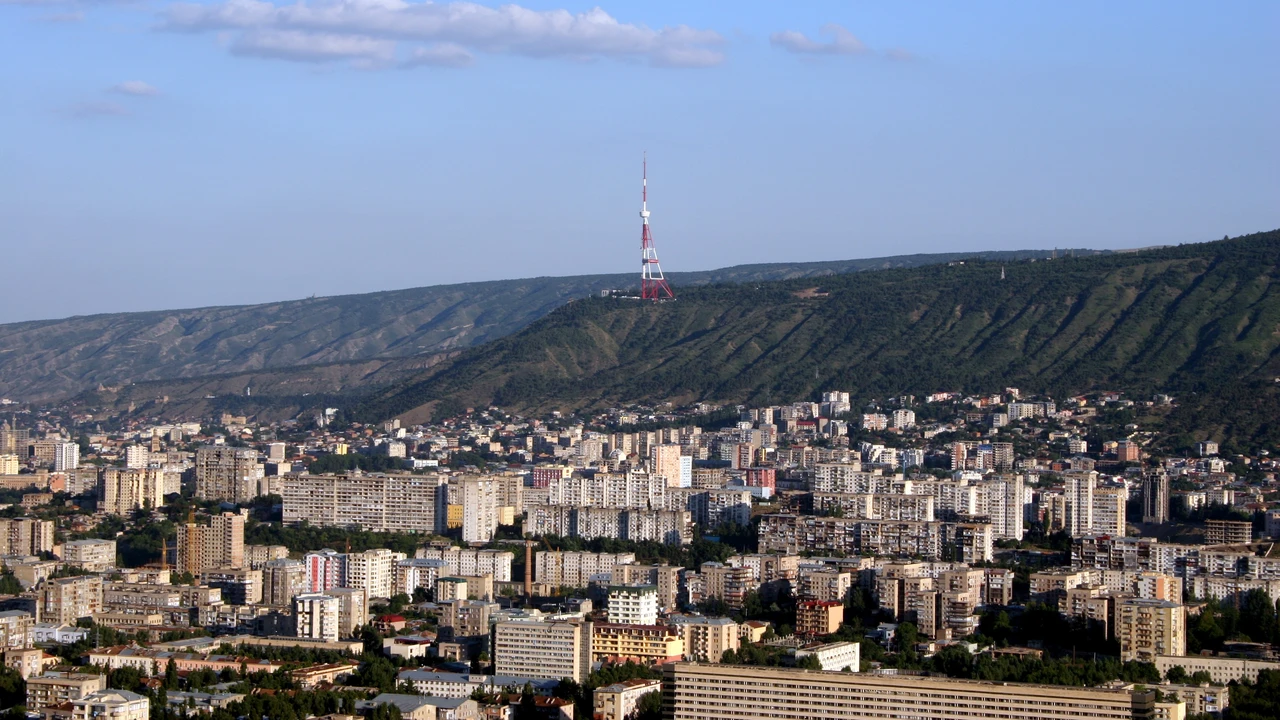
Saburtalo, one of the main administrative districts of Tbilisi, the capital of Georgia, represents a diverse urban mosai...
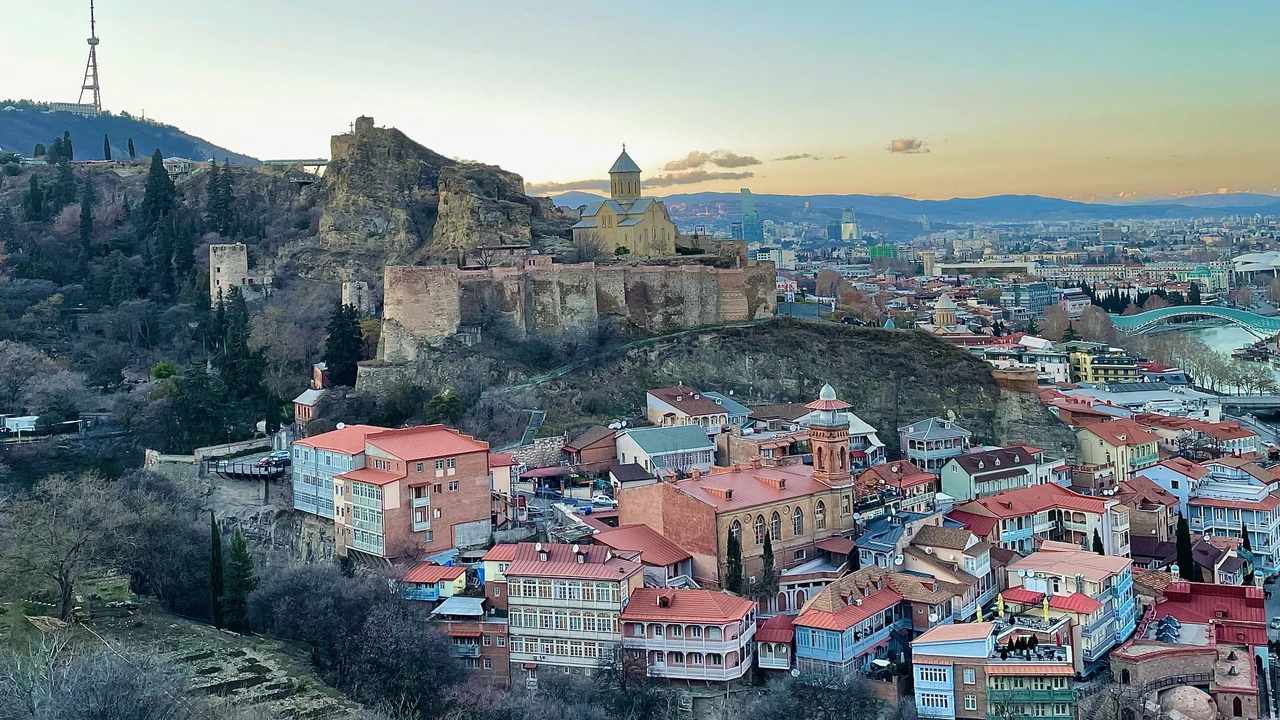
Krtsanisi district in Tbilisi is more than just an administrative division. It's a mosaic blending history and modernity...
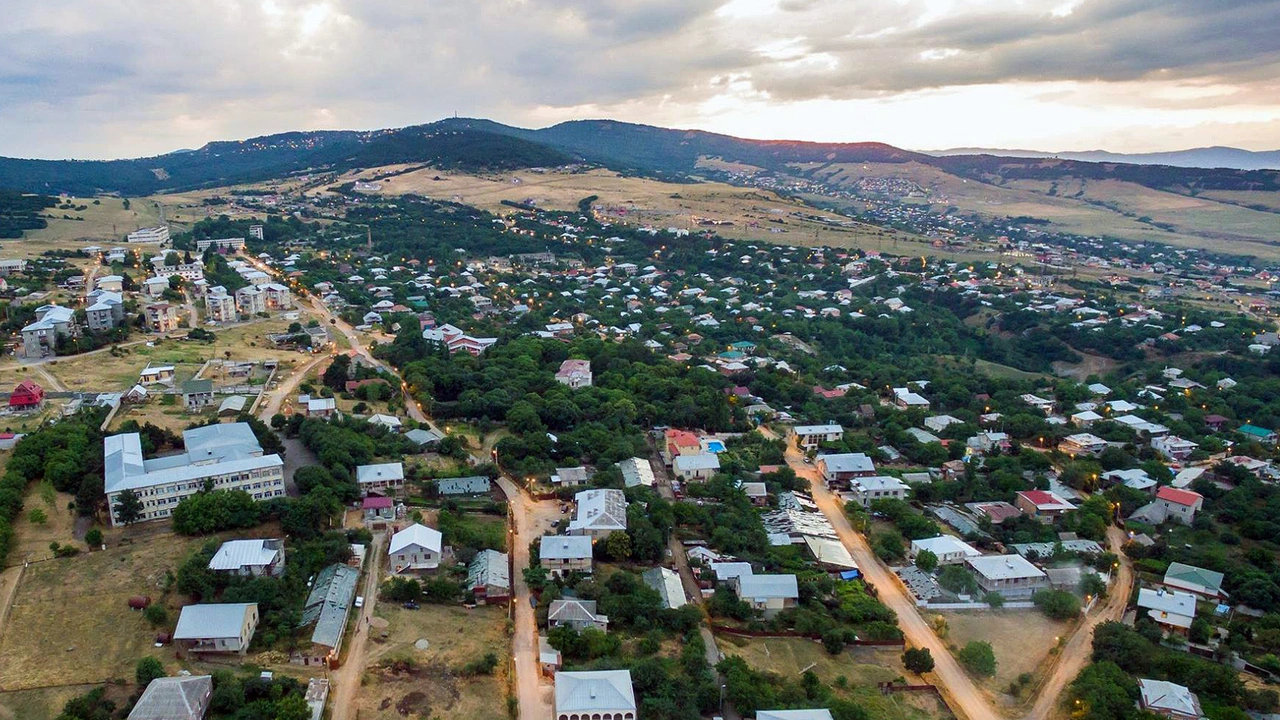
The village of Tskhmila, located in the outskirts of Tbilisi, Georgia, is a living example of the social and economic ch...
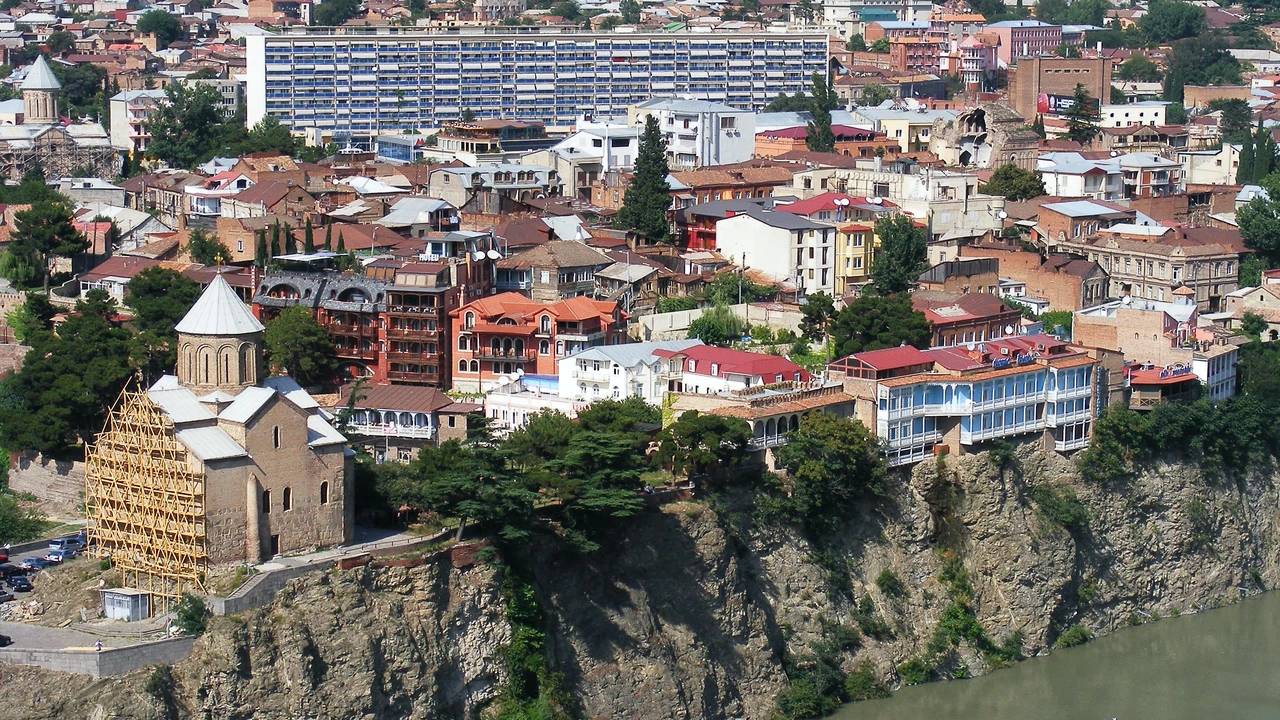
Avlabari is a district in Old Tbilisi, located on the left bank (eastern side) of the Mtkvari River. Remembered in the r...
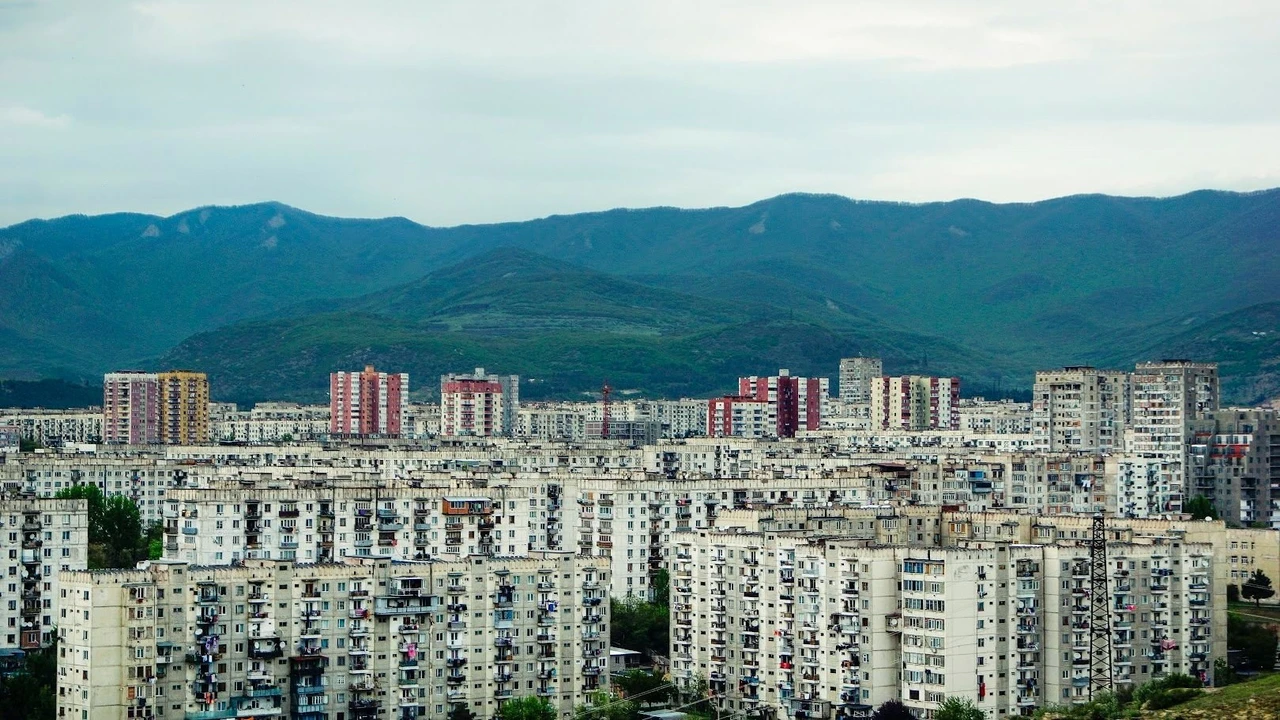
Discover the Nadzaladevi district in Tbilisi, Georgia, an area offering promising opportunities for good returns on real...
Tbilisi – Timeless Capital of Georgia at the Crossroads
Tbilisi, or Tiflis as it was known to the Arabs in the Middle Ages, is the vibrant heart of Georgia, its largest and most dynamic capital. Located on the banks of the Kura River and home to approximately 1,500,000 people, this city blends ancient history with a modern spirit, making it a unique destination that attracts visitors from all over the world. Tbilisi was founded in the 5th century AD by King Vakhtang I Gorgasali, King of the Iberian Kingdom, and quickly became an important political and cultural center. It witnessed the succession of many Georgian kingdoms and republics, eventually settling as the capital of independent Georgia. Between 1801 and 1917, under Russian Imperial rule, Tbilisi served as the residence of the Imperial Governor who administered the affairs of the North and South Caucasus, giving it strategic and economic importance.
Tbilisi's unique geographical location, situated at the crossroads of Europe and Asia, and its proximity to vital trade routes between East and West, has always made it an attraction for competing global powers. Throughout history, the city has witnessed various conflicts and disputes, but it has always managed to rise again and preserve its unique identity. Even today, Tbilisi's strategic location ensures its position as an important transit route for energy and trade projects, strengthening its role in the region.
Tbilisi embodies its diverse and rich history in its stunning architecture, which blends different styles reflecting the influence of the civilizations that have passed through it. Visitors can stroll through its streets to enjoy the sight of ancient architecture, classicism, Middle Eastern influences, Art Nouveau, Stalinist architecture, and modernism. This unique blend gives the city a special character and makes it an open-air museum that tells stories of the past.
Tbilisi has always been a city that embraces people from diverse cultural, ethnic, and religious backgrounds. Although the vast majority of its inhabitants today are Eastern Orthodox Christians, the city maintains traditions of tolerance and coexistence among different faiths. This cultural and religious diversity gives Tbilisi an atmosphere of tolerance and openness, making it an attractive place to live and visit.
Tbilisi offers its visitors a wide range of attractive tourist attractions, including magnificent cathedrals such as the Sameba Cathedral and the Sioni Cathedral, the classical Freedom Square, which is considered the heart of the city, the tree-lined Rustaveli Avenue, which houses many shops, cafes and theaters, and the tree-lined Agmashenebeli Avenue, famous for its beautiful architecture. Visitors can also explore the medieval Narikala Fortress, which offers panoramic views of the city, the Moorish-inspired Opera Theater, which represents a unique architectural masterpiece, and the Georgian National Museum, which houses a wide collection of archaeological and historical artifacts.
Name:
The name Tbilisi is derived from the hot springs discovered by the Georgian king in the 5th century AD. The word "Tbili" in Georgian means "warm place," and the king built the city near these springs, which were considered to have therapeutic value. In the Middle Ages, the Arabs knew the city as "Tiflis," and this name remained in use until 1936 when the name was officially changed to Tbilisi.
History:
The city was founded in the 5th century AD and was conquered by the Arabs in 735 under the leadership of Marwan ibn Muhammad. The area has been inhabited since the 4th millennium BC, but the first mention of it in written records dates back to the 4th century AD. The city grew thanks to its strategic location at the crossroads of trade routes linking eastern Georgia with southeastern Caucasus, Iran, Armenia, Turkey, and Syria. During the reign of King Dachi, son of King Vakhtang I, Tbilisi became the capital of eastern Georgia instead of the old capital, Mtskheta.
In the mid-7th century AD, the Muslim Arabs entered Georgia under the leadership of Habib ibn Maslama during the reign of Caliph Umar ibn al-Khattab, and imposed the jizya tax on the population. Starting in the 830s AD, Tbilisi became the capital of the Arab Emirate, which lasted until 1122, when it was overthrown by the Georgian King David, who made Tbilisi the capital of the united Georgian kingdom.
In the second half of the 14th century AD, Georgia was invaded by the armies of Tamerlane, leading to widespread destruction, including the capital Tbilisi. During the period between the 15th and 17th centuries AD, the city was subjected to attacks by the Ottomans and Safavids. In 1802, Georgia was annexed to the Russian Tsardom, and Tbilisi became the administrative center of the Georgian Governorate. In 1846, it became the headquarters of the Russian military command in the Caucasus.
On February 25, 1921, the Communists seized power in Georgia, and Tbilisi became the capital of the Georgian Soviet Socialist Republic. After the dissolution of the Soviet Union, Tbilisi returned to being the capital of the independent Republic of Georgia.
In short, Tbilisi is a city that combines the authenticity of the past with the vitality of the present, and cultural diversity with national unity. It is a city worth visiting and exploring, and promises its visitors an unforgettable experience.