Live Comfortably with Homes in Kula
Kula: The city of ash in the heart of Manisa, a deep-rooted history and a renewed present.
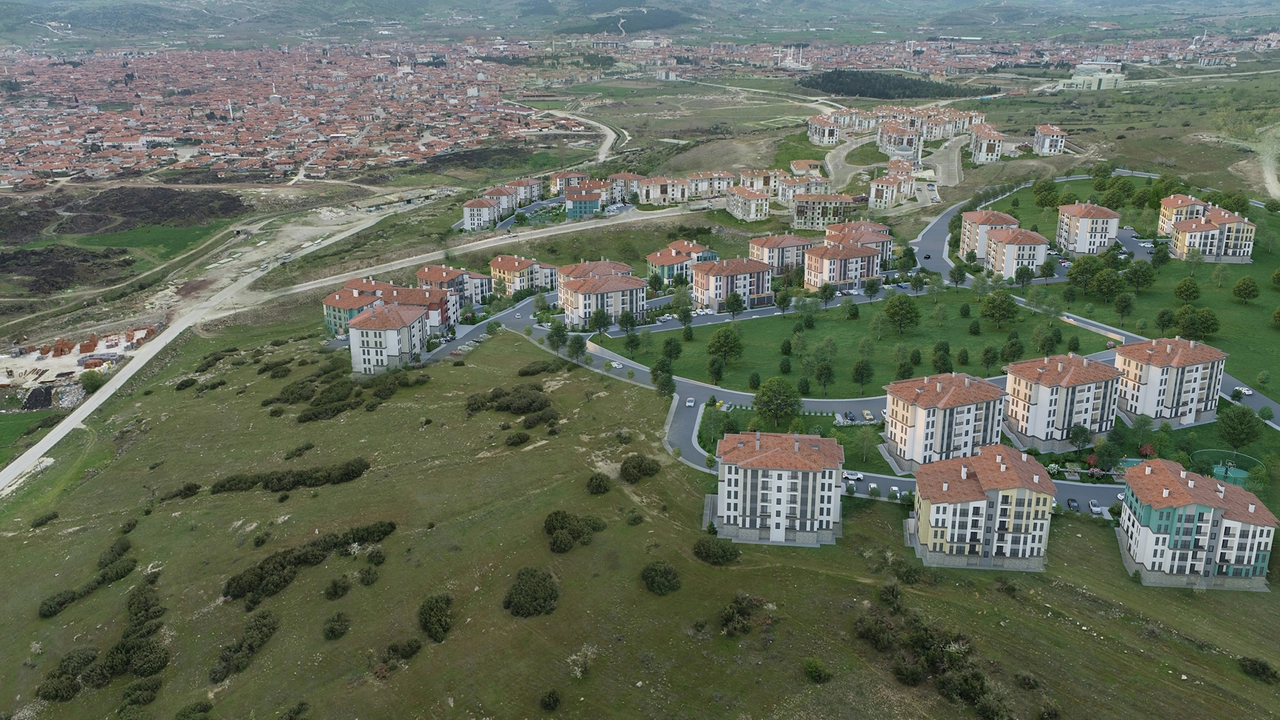
Kula Manisa: History, Culture & Development Potential
Kula, or "Land of Ashes" as its name suggests, derived from the Turkish word "Külə," is a municipality and district of Manisa Province in the Aegean Region of Turkey. Kula spans a geographical area of 981 square kilometers and has a population of approximately 43,227 according to 2022 statistics. The city is located at an altitude of 635 meters above sea level, which gives it a temperate climate and diverse terrain. Despite its relatively small size, Kula holds within it a rich and complex history, spanning different eras and telling stories of political, social, and cultural transformations that have left their mark on the city's fabric.
Kula derives its historical importance from its strategic location on ancient trade routes and its pivotal role in the political events that the region witnessed. In the 14th century AD, Suleiman, the ruler of Germiyan, took it as his capital after ceding a large part of his kingdom to the Ottomans as part of the dowry of his daughter, Devlet Shah Hatun, who married the Ottoman prince, who later became Sultan Bayezid I. This transformation represents a significant turning point in Kula's history, as the city witnessed relative prosperity under Germiyan rule before later passing completely into Ottoman rule.
During the Ottoman era, Kula became part of the Aidin Vilayet from 1867 to 1922. During this period, the city witnessed remarkable demographic diversity, with Muslims and Christians coexisting in relative peace. Historical sources indicate that the Christian population in Kula consisted of two main groups: the first group were descendants of converted descendants of the original Greek inhabitants of the city, who gradually integrated into Turkish culture. The second group consisted of new immigrants who came from the Aegean islands, such as the island of Samos, in search of new opportunities or to escape political unrest. This demographic diversity enriched the cultural and social life in Kula and contributed to the creation of a multifaceted society characterized by tolerance and openness to others.
With the end of the Ottoman era and the establishment of the modern Republic of Turkey, Kula witnessed significant transformations in its social and economic structure. Internal migration led to changes in the city's demographic composition, and the number of Christian residents declined significantly. However, Kula has retained much of its cultural and architectural heritage, reflecting its ancient history and cultural diversity.
Today, Kula seeks to preserve and promote this cultural heritage by restoring historical buildings and encouraging cultural tourism. The city includes many important historical landmarks, such as ancient mosques, abandoned churches, and traditional houses dating back to the Ottoman era. In addition, Kula is famous for its handmade carpets and other traditional crafts, which represent an important part of the city's identity and cultural heritage.
Kula, like other small cities in Turkey, faces multiple economic and social challenges. Migration from rural areas to major cities has led to a shortage of labor in the local agricultural and industrial sectors. In addition, the city suffers from a lack of investment in infrastructure and public services, which affects the quality of life of its residents.
However, Kula has great potential for development and prosperity. The city's strategic location, ancient history, and rich cultural heritage are all factors that can contribute to attracting investment, encouraging tourism, and creating new job opportunities. In addition, Kula enjoys important natural resources, such as fertile agricultural land and abundant water, which can be exploited to develop the agricultural sector and enhance food security.
In conclusion, Kula is a unique city in the heart of the Aegean region of Turkey. It is a city that combines ancient history and a renewed present, between a rich cultural heritage and future aspirations. Despite the challenges it faces, Kula has great potential for development and prosperity, if its natural and human resources are utilized effectively and sustainably. Preserving and promoting Kula's cultural heritage, encouraging cultural tourism, and investing in infrastructure and public services are all necessary steps to achieve sustainable development in the city and ensure a better future for its residents.
Area Details
Male
Female