Georgia Properties for Sale in Top Cities & Areas | Emlak Platform
Cities
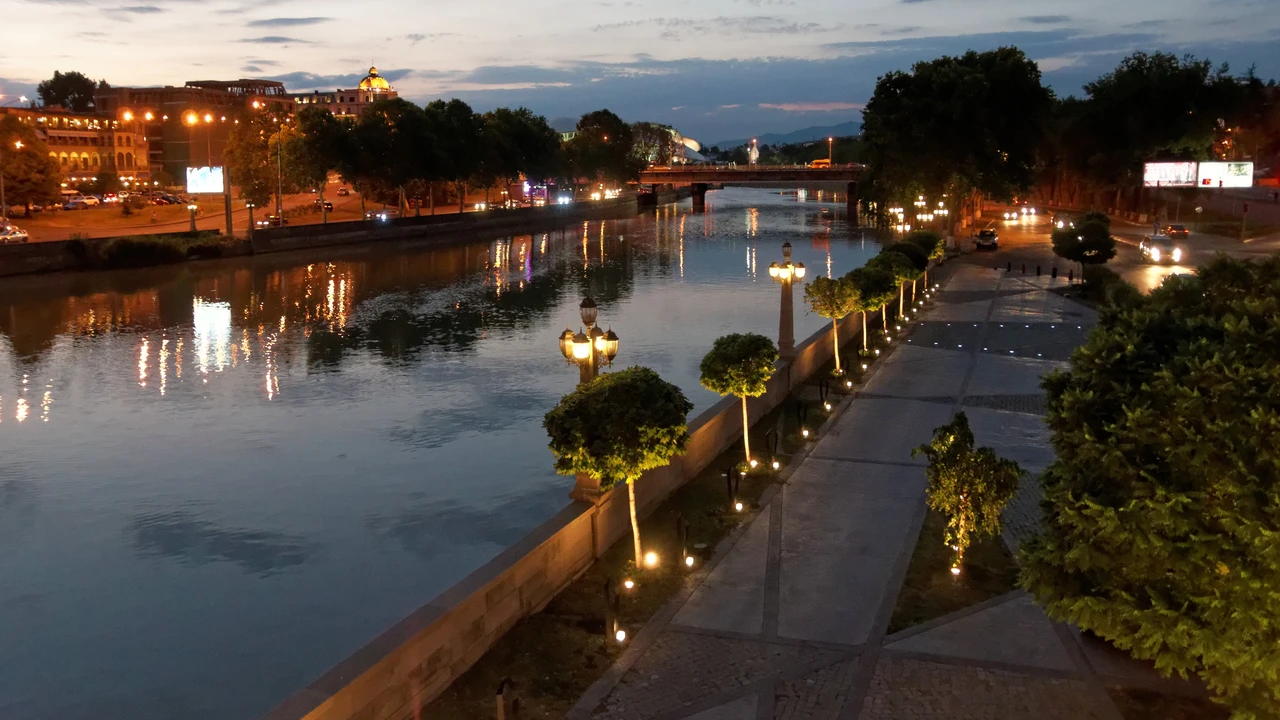
Tbilisi, or Tiflis as it was known to the Arabs in the Middle Ages, is the vibrant heart of Georgia, and its largest and...
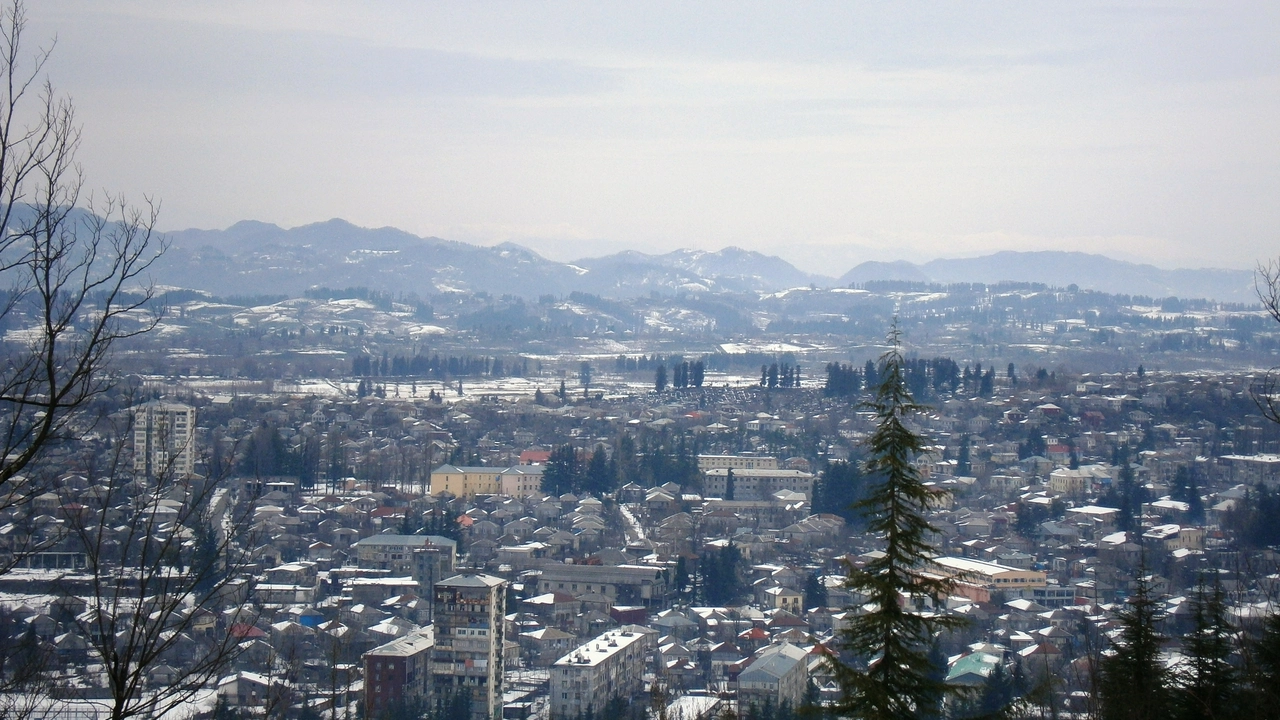
Ozurgeti is more than just a Georgian city; it is an embodiment of the history and heritage of the Guria region. With it...
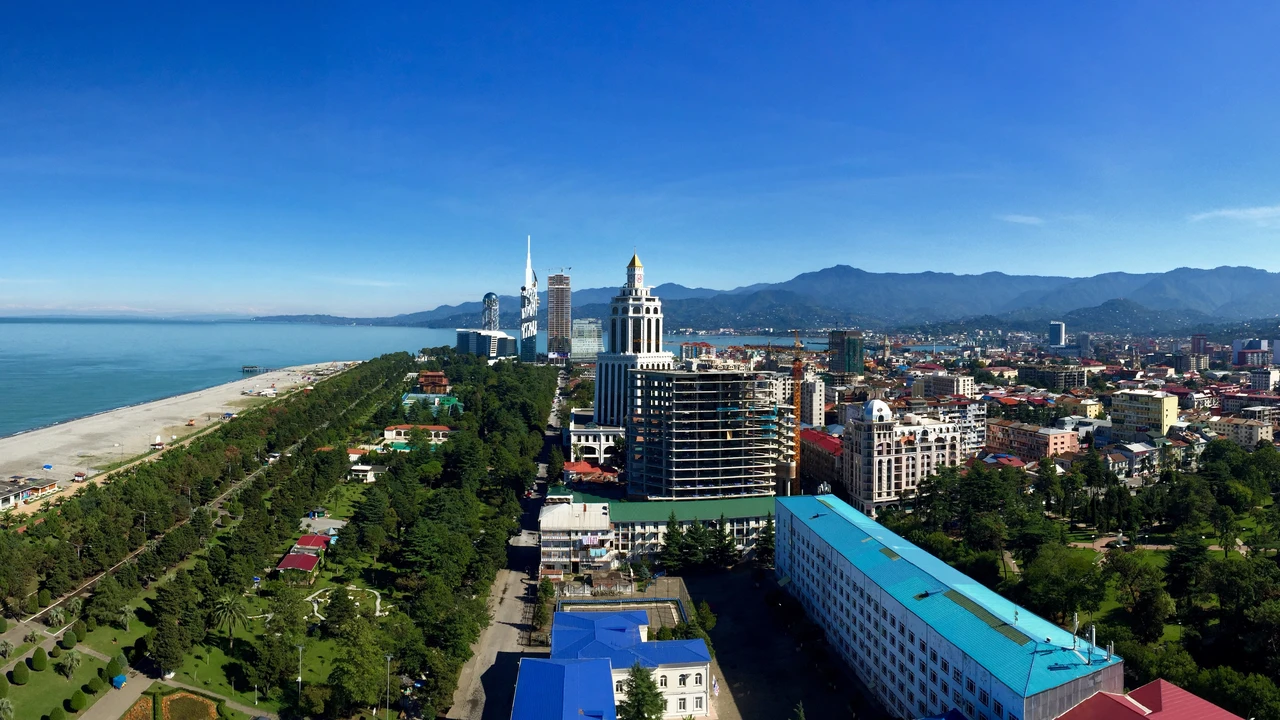
Adjara is an autonomous administrative-political region within the Republic of Georgia, covering an area of 2,912 square...
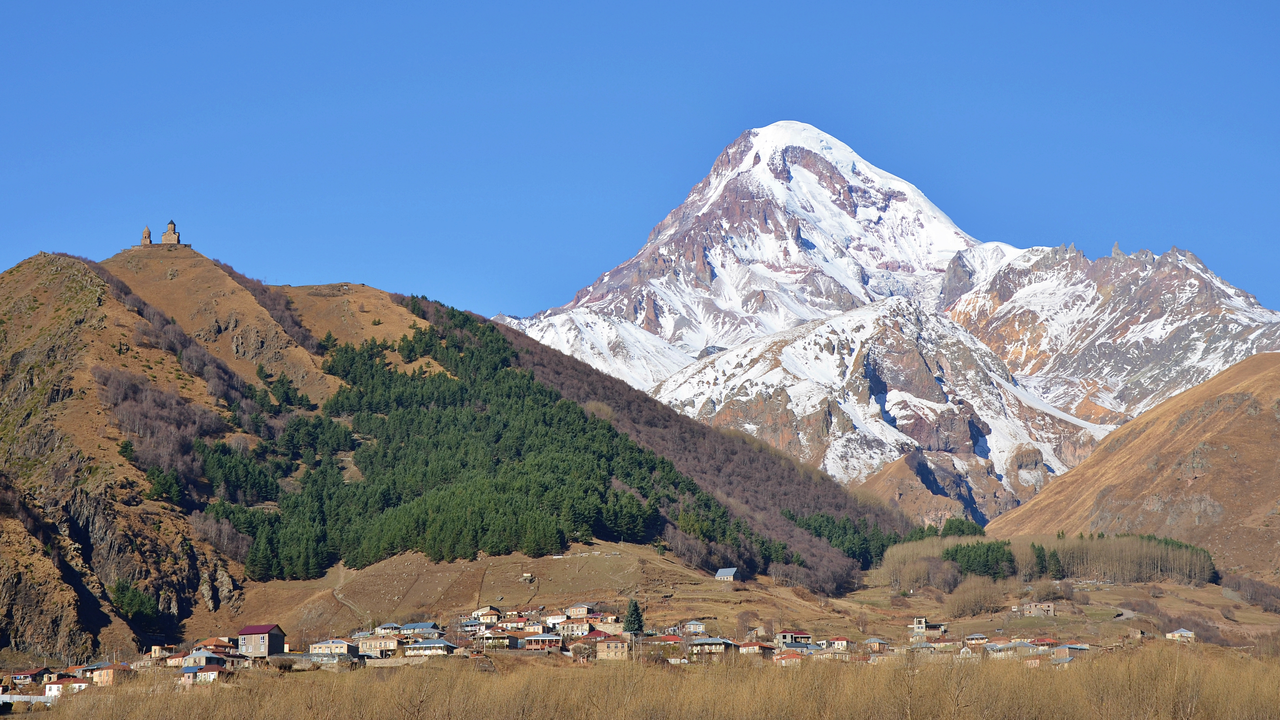
Kazbegi is a municipality located in the Mtskheta-Mtianeti region of Georgia. The municipality is situated in the Tergi...
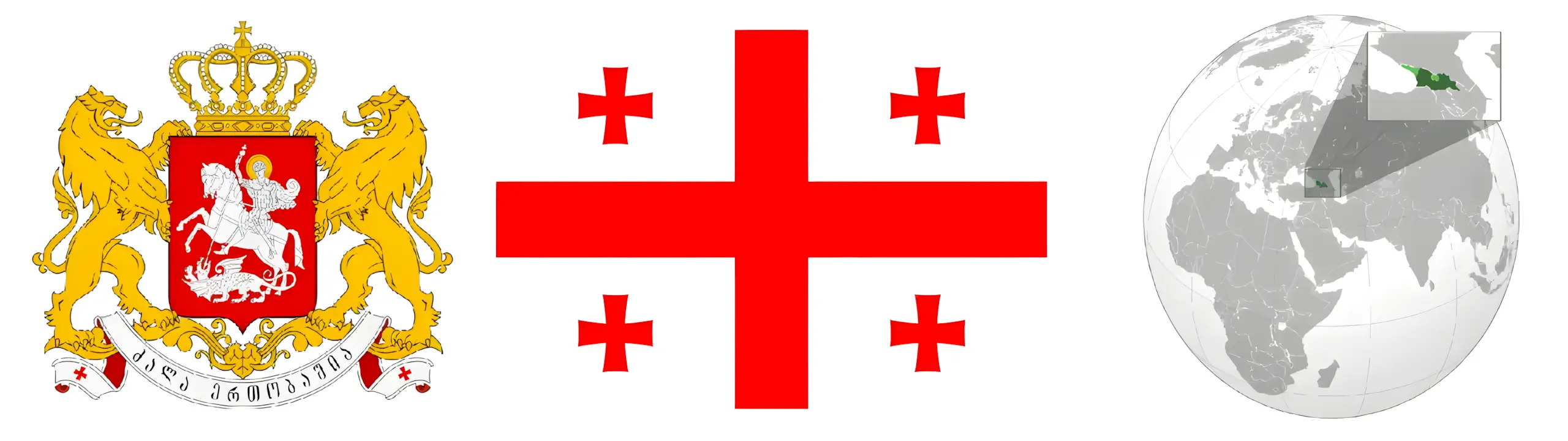
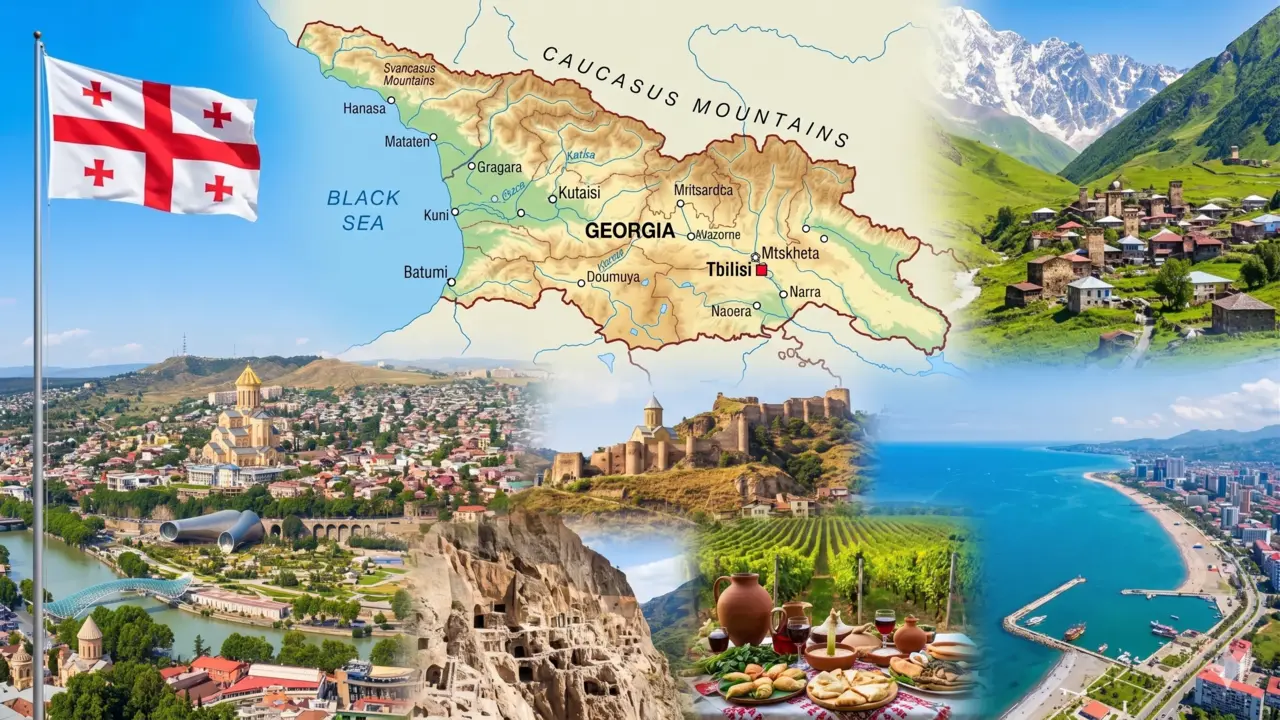
Georgia is located in the Caucasus region, at the crossroads of Eastern Europe and Western Asia. It is bordered by the Black Sea to the west, Russia to the north and northeast, Turkey and Armenia to the south, and Azerbaijan to the southeast. It covers an area of approximately 69,700 square kilometers and has a population of about 3.7 million. The capital and largest city is Tbilisi.
Rich History (From Ancient Times to Independence)
Ancient Times and the Kingdoms of Colchis and Iberia
Human settlement in Georgia dates back to the Paleolithic era. In ancient times, two major kingdoms flourished:
- Kingdom of Colchis: Located in the west, it was associated in Greek mythology with the journey of "Jason" and the Golden Fleece.
- Kingdom of Iberia: Located in the east, it was an important political player in the conflicts between the Romans and the Persians.
Adoption of Christianity
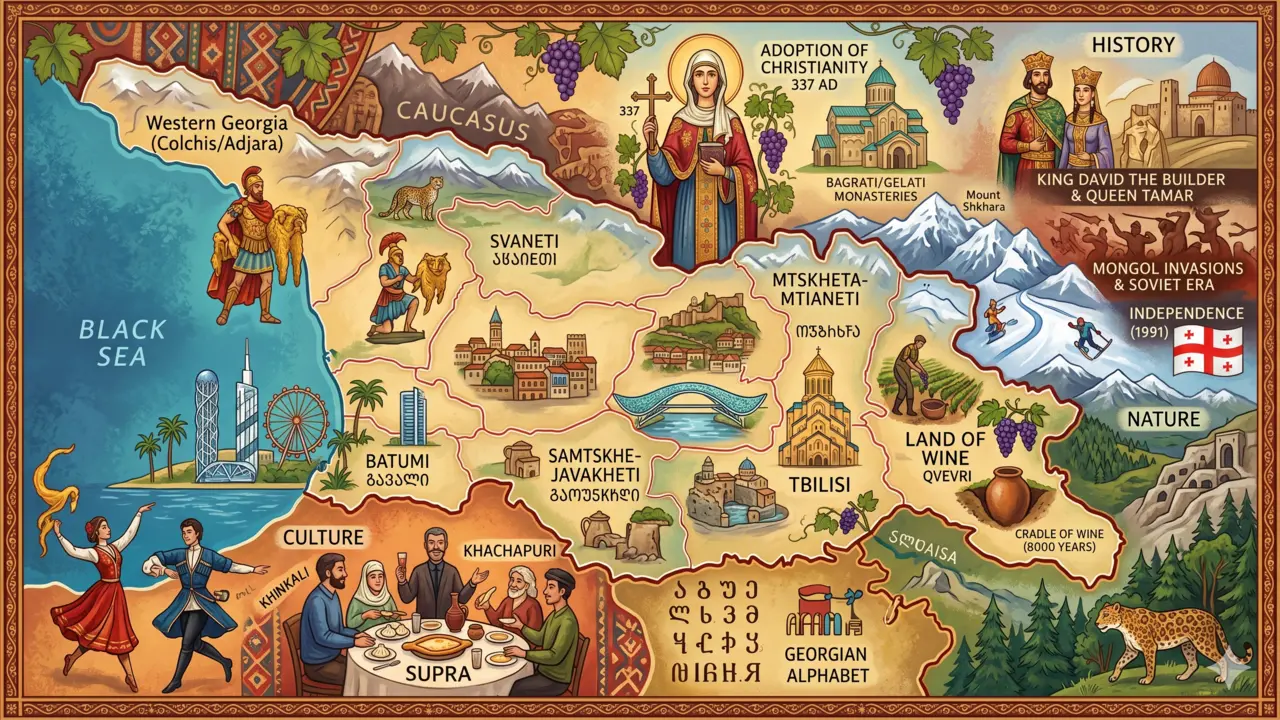
Georgia is one of the first countries to adopt Christianity as the official state religion in 337 AD, thanks to the efforts of Saint Nino. This event shaped the cultural and political identity of the country and linked it to Byzantine and European culture.
The Georgian Golden Age (11th - 13th Centuries)
Georgia reached the peak of its political and economic power during the reign of King David the Builder and Queen Tamar. During this period, architecture, literature, and philosophy flourished, and Georgia controlled most of the Caucasus.
Invasions and Russian Domination
The country was subjected to Mongol invasions and then came under the influence of the Ottoman-Safavid rivalry. In 1801, the Russian Empire gradually annexed Georgia, leading to the abolition of the Georgian monarchy and its replacement with Russian administration.
Soviet Era and Independence
After the 1917 Revolution, Georgia gained brief independence (1918-1921) before being invaded by the Red Army and becoming part of the Soviet Union. In 1991, with the collapse of the Soviet Union, Georgia declared its independence once again.
Geography and Environmental Diversity
Topography and Mountains
The Greater Caucasus Mountains dominate the north, and the Lesser Caucasus Mountains dominate the south. Mount Shkhara is the highest peak in the country. This mountainous diversity makes it a global destination for skiing and mountaineering enthusiasts.
Climate
Georgia enjoys amazing climatic diversity despite its small size:
- West: Humid subtropical climate due to the influence of the Black Sea.
- East: Temperate continental climate and drier.
Biodiversity
Georgia is home to thousands of species of plants and animals and contains national nature reserves that preserve virgin forests and rare species such as the Caucasian leopard.
Political System and Administration
System of Government
Georgia is a parliamentary republic. The Prime Minister holds the position of head of government and possesses broad executive powers, while the President of the State represents a symbolic and unifying role.
Foreign Policy
Georgia is strongly seeking to join the European Union and the North Atlantic Treaty Organization (NATO). Its relationship with Russia has been tense since the 2008 war, due to the conflict over the regions of Abkhazia and South Ossetia.
Administrative Divisions
Georgia consists of 9 regions, two autonomous republics (Abkhazia and Adjara), and the city of Tbilisi as an administrative capital.
The country is divided into regions and autonomous republics, in addition to the capital, Tbilisi. Here is a list of the main regions of Georgia with a brief description of each:
- Tbilisi: The capital and largest city in the country. It is the political, cultural, and economic center. It blends ancient history (sulfur baths and fortresses) with modernity and contemporary architecture.
- Adjara: An autonomous republic located on the Black Sea coast. Its capital is Batumi. It is the premier tourist destination for summer, and is famous for its palm trees, modern architecture, and subtropical climate.
- Kakheti: Located in the east of the country and known as the "land of wine". It is the main agricultural area for grape production, and includes the famous city of love, "Sighnaghi," and stunning views of the Alazani Valley.
- Imereti: Located in west-central Georgia and its capital is Kutaisi. A region rich in history, it includes UNESCO World Heritage sites such as Gelati Monastery, and is famous for its natural caves such as Prometheus Cave.
- Samtskhe-Javakheti: Located in the south, it is a mountainous region that includes the city of Borjomi, famous for its mineral waters, and the amazing historical cave city of "Vardzia".
- Mtskheta-Mtianeti: A strategic region that includes Mtskheta (the ancient capital and center of the Georgian Orthodox Church). It also includes the Georgian Military Road and the famous ski resort "Gudauri".
- Samegrelo-Zemo Svaneti: Includes one of the most beautiful places on earth, Svaneti in the high mountains. It is famous for its historical defensive towers, and towering Caucasus peaks, and is a UNESCO World Heritage Site.
- Shida Kartli (Inner Kartli): Located in the heart of Georgia and its capital is the city of Gori (Stalin's birthplace). It also includes the ancient cave city of "Uplistsikhe".
- Kvemo Kartli (Lower Kartli): Located south of Tbilisi, it is an ethnically and historically diverse region, and of great industrial and agricultural importance.
- Guria: A small region located in the west, famous for tea cultivation and unique singing traditions (Georgian Yodeling), and characterized by a quiet rural nature.
- Racha-Lechkhumi and Kvemo Svaneti: Nicknamed "Switzerland of Georgia" because of the beauty of its mountains and pristine forests. It is a very quiet area and ideal for lovers of pure mountain nature.
- Abkhazia: An autonomous republic located in the far northwest of the country on the Black Sea. (Note: This region is currently experiencing a political conflict and is outside the actual control of the Georgian central government).
Economy and Resources
Economic Reforms
After the Rose Revolution in 2003, Georgia underwent radical reforms to combat corruption and facilitate doing business, which led it to occupy advanced positions in the World Bank reports.
Tourism
Tourism is one of the most important pillars of the economy. Tourists come to enjoy:
- Coastal resorts in Batumi.
- Historical areas in Mtskheta and Mestia.
- The culture of wine and Georgian cuisine.
Agriculture and Industry
Georgia is famous for producing citrus fruits, hazelnuts, and tea, especially grapes. Georgia is considered the "cradle of wine" in the world, where its production dates back 8000 years using the "Qvevri" technique (buried clay vessels).
Society and Culture
Language and Writing
The Georgian language (Kartuli) is the official language, and it has a unique writing system (the Georgian alphabet) which is one of only 14 unique writing systems in the world.
Georgian Cuisine
Georgian cuisine is an integral part of national identity. Most famous dishes:
- Khachapuri: Cheese-filled bread (of different types).
- Khinkali: Meat and broth-filled dumplings.
- Supra: The traditional feast led by the "Tamada" (toastmaster).
Arts and Dance
Georgian folk dance is famous for its fast and acrobatic movements for men, and the extreme softness of women. Polyphonic singing is also a UNESCO World Heritage Site.
Major Cities and Tourist Attractions
Tbilisi (Capital)
A city that blends the old and the new, famous for its sulfur baths, Narikala Fortress, and Rustaveli Avenue.
Batumi
The pearl of the Black Sea, characterized by its modern architecture, botanical gardens, and vibrant nightlife.
Kutaisi
One of the oldest inhabited cities in the world, home to Bagrati Cathedral and Gelati Monastery.
Challenges and Future
Georgia faces economic challenges such as unemployment and brain drain, and political challenges related to its territorial integrity. However, its location as a link in the "New Silk Road" project and its security stability make it one of the promising countries in the Eurasia region.
Comprehensive Summary of the State of Georgia
| Section | Details and Key Information |
| Geographical Location | The Caucasus region, at the crossroads of Eastern Europe and Western Asia. It is bordered by the Black Sea, Russia, Turkey, Armenia, and Azerbaijan. |
| General Indicators | Area: Approximately 69,700 km² |
| Historical Milestones | • Ancient Times: The kingdoms of Colchis and Iberia. • Religion: One of the first countries to adopt Christianity as the official state religion (337 AD). • Golden Age: 11th - 13th centuries (King David the Builder and Queen Tamar). • Independence: Declared independence from the Soviet Union in 1991. |
| Geography and Climate | • Topography: The Greater and Lesser Caucasus Mountains (Mount Shkhara is the highest peak). • Climate: Humid subtropical in the west, and temperate continental in the east. |
| Political System | A parliamentary republic. It strongly seeks to join the European Union and NATO. |
| Administrative Divisions | Consists of 9 regions, two autonomous republics (Adjara and Abkhazia), and the capital city, Tbilisi. |
| Key Regions and Cities | • Tbilisi: The political, cultural, and economic center. • Adjara (Batumi): The premier coastal tourist destination. • Kakheti: The "land of wine" and main agricultural area for grapes. • Imereti (Kutaisi): Rich in history, including UNESCO sites and caves. • Mtskheta: The ancient capital and center of the Georgian Orthodox Church. • Svaneti: Famous for historical defensive towers and high Caucasus peaks. |
| Economy and Resources | • Reforms: Occupies advanced positions in ease of doing business reports. • Tourism: A major pillar of the economy (coastal resorts and historical sites). • Agriculture: Famous for citrus, hazelnuts, and specifically grapes (the "cradle of wine" for 8,000 years). |
| Society and Culture | • Language: Georgian (Kartuli), which has a unique writing system. • Cuisine: Khachapuri (cheese bread), Khinkali (meat dumplings), and "Supra" traditions. • Arts: Famous for acrobatic folk dances and polyphonic singing (UNESCO). |
| Challenges and Future | Unemployment, brain drain, territorial integrity (Abkhazia and South Ossetia), and the ambition to be a link in the "New Silk Road". |
Conclusion
Georgia is not just a tourist destination, but a story of resilience of a people who have preserved their language, religion, and traditions despite centuries of invasions. It is a country that combines the grandeur of the mountains with unparalleled hospitality.