Premium Residences & Villas in Dubai
Dubai holds a prominent position as the economic capital of the United Arab Emirates, and it has witnessed radical transformations and tremendous growth under the wise leadership of Sheikh Mohammed bin Rashid Al Maktoum.
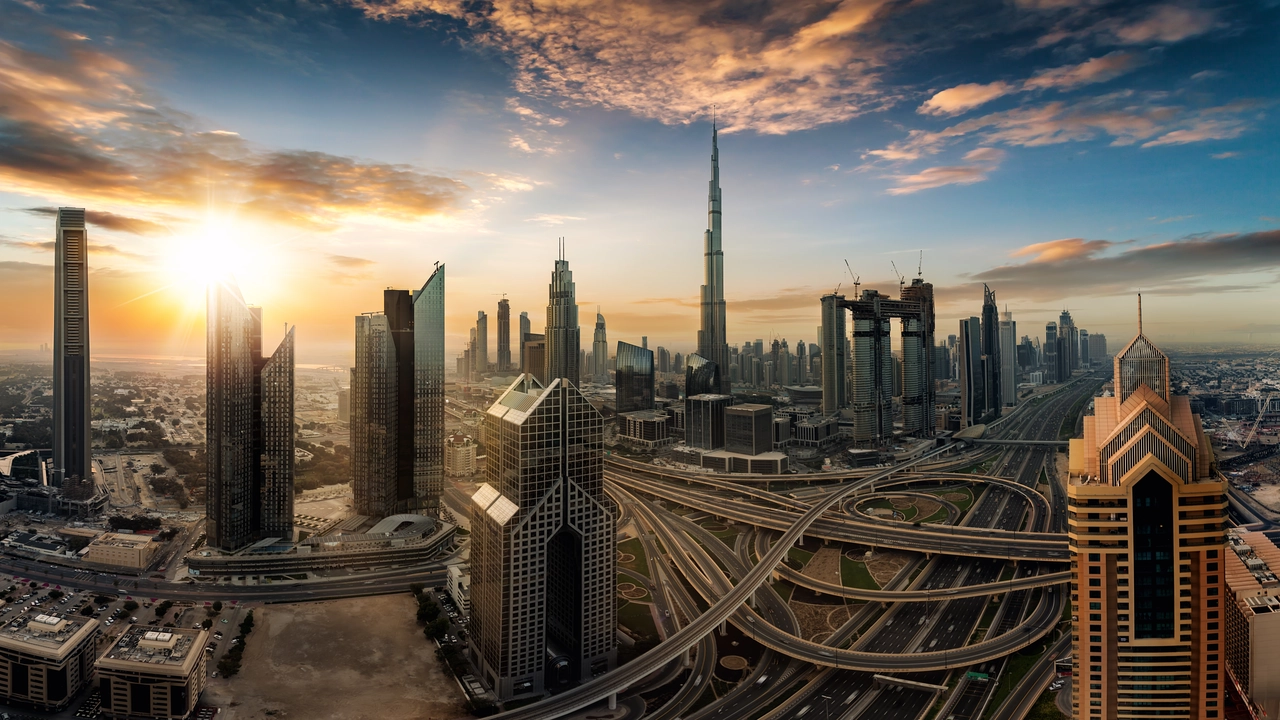
Regions
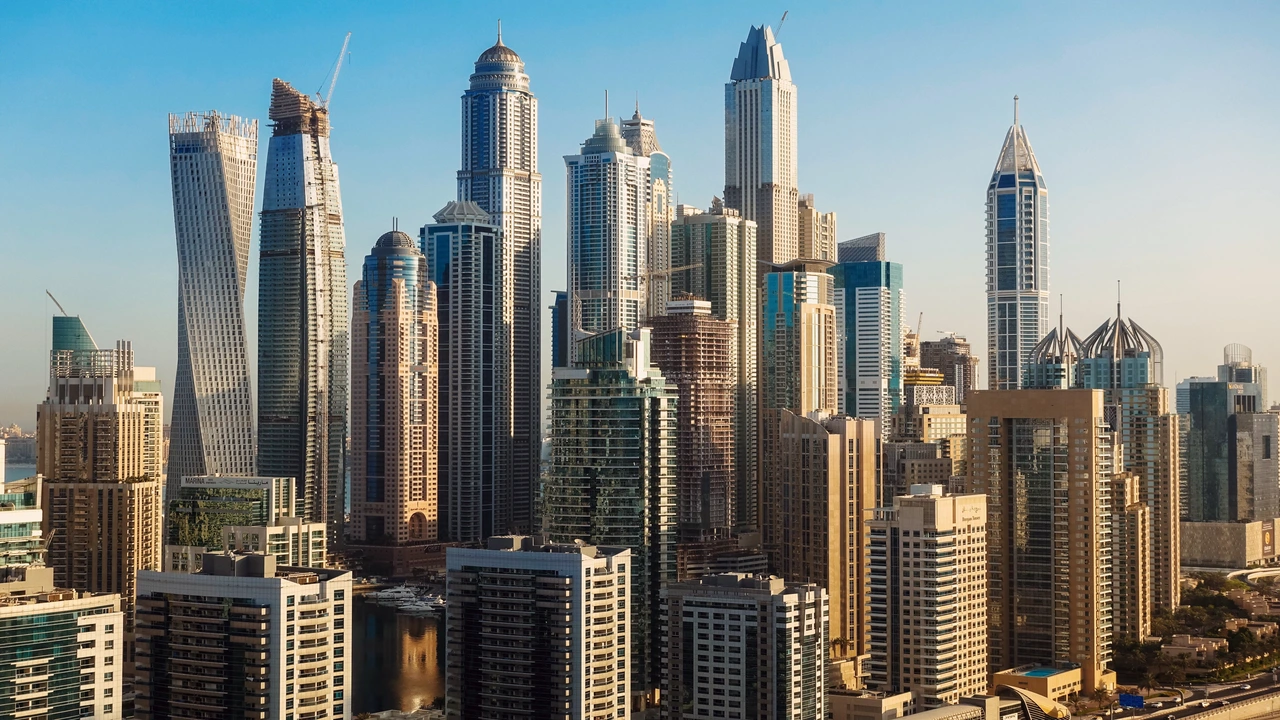
The area is distinguished by its strategic location along the Dubai-Al Ain Road (E66) and the Emirates Road (E611), maki...
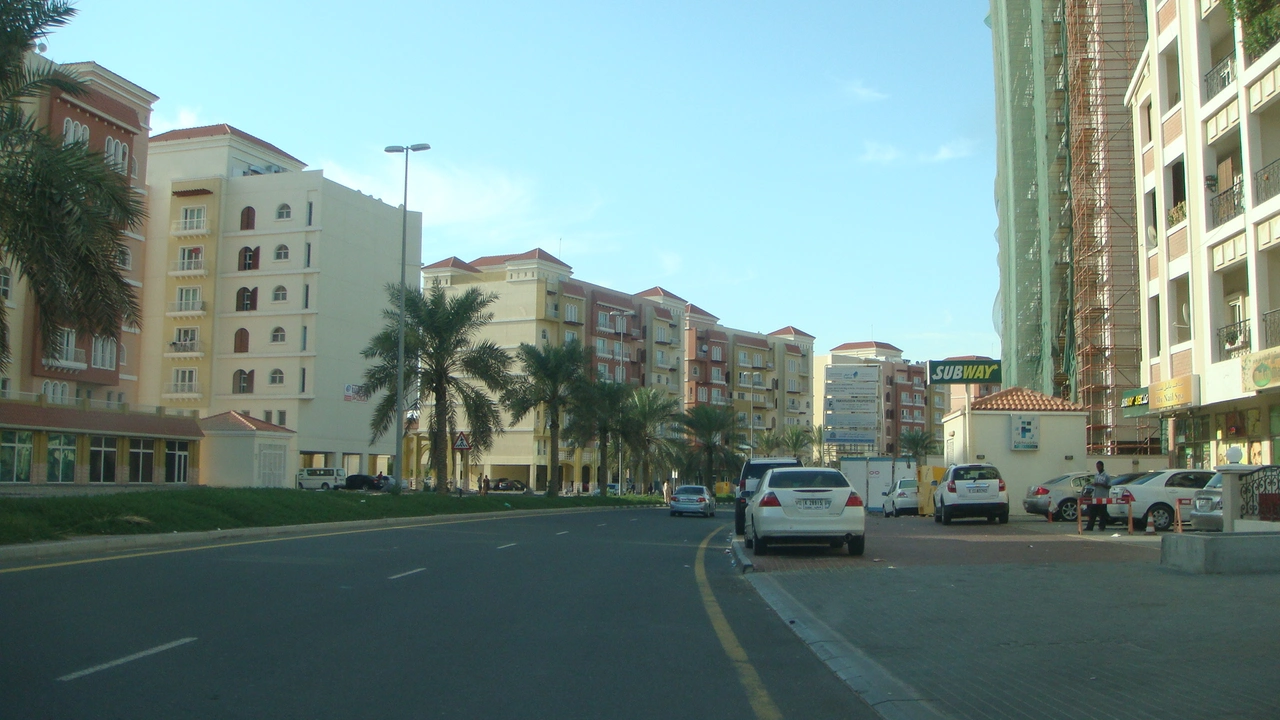
Dubai represents a unique architectural and cultural masterpiece, reflecting the vision of the United Arab Emirates in b...
.webp "EN//Jumeirah Village Circle (JVC),,AR//قرية جميرا الدائرية JVC,,TR//Jumeirah Village Circle (JVC),,RU//Jumeirah Village Circle (JVC),,FA//جمیرا ویلج سرکل (JVC),,ZH//卓美亚购物村 (JVC)")
Jumeirah Village Circle (JVC) is a prominent destination in Dubai's real estate market, attracting the interest of both...
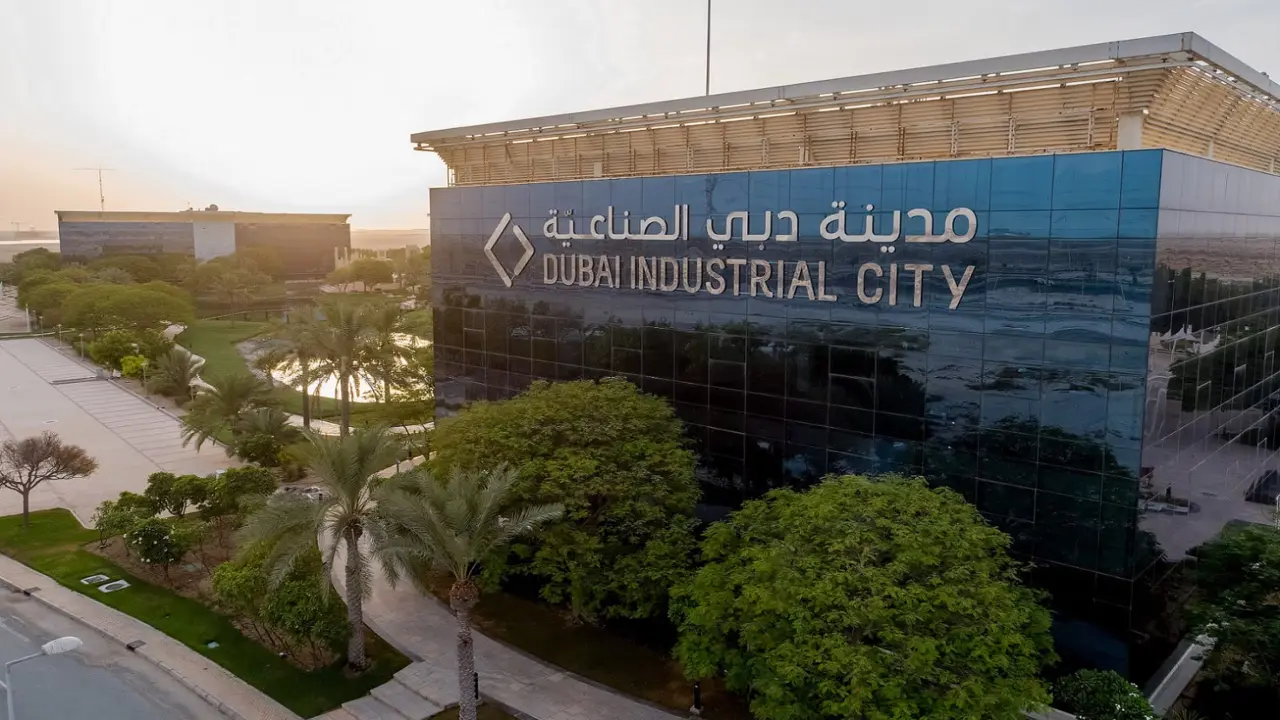
Dubai Industrial City is characterized by the diversity of its residential and commercial properties, offering a variety...
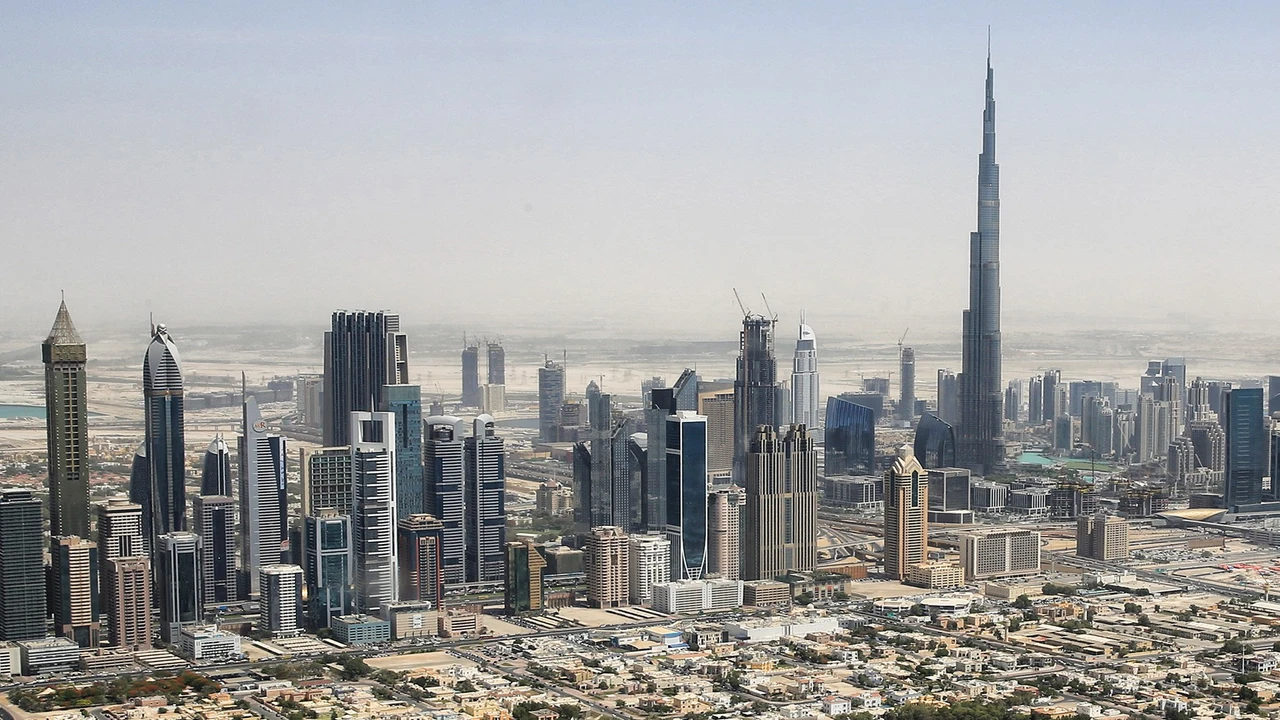
Downtown Dubai blends modern skyscrapers and Arab heritage, home to Burj Khalifa, Dubai Mall and the Fountain—driving to...
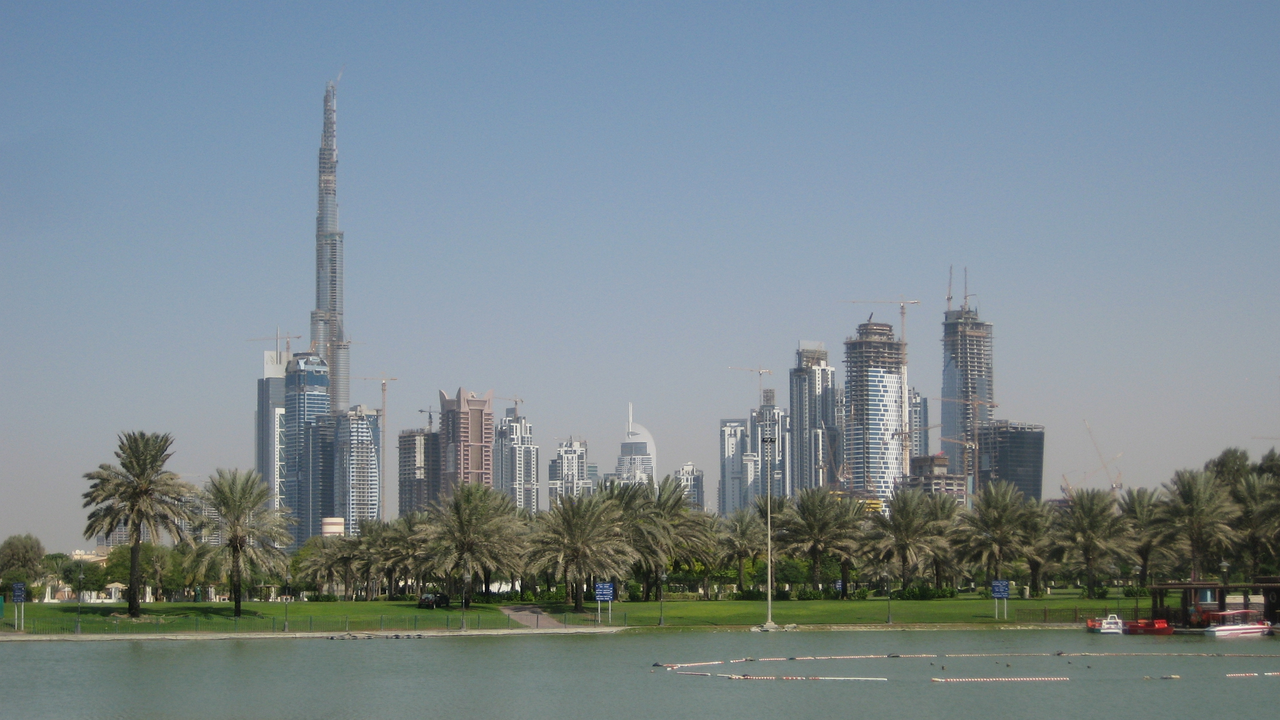
Business Bay Dubai: an ambitious canal-side district of 240+ towers, but delays, economic shocks, and competition challe...
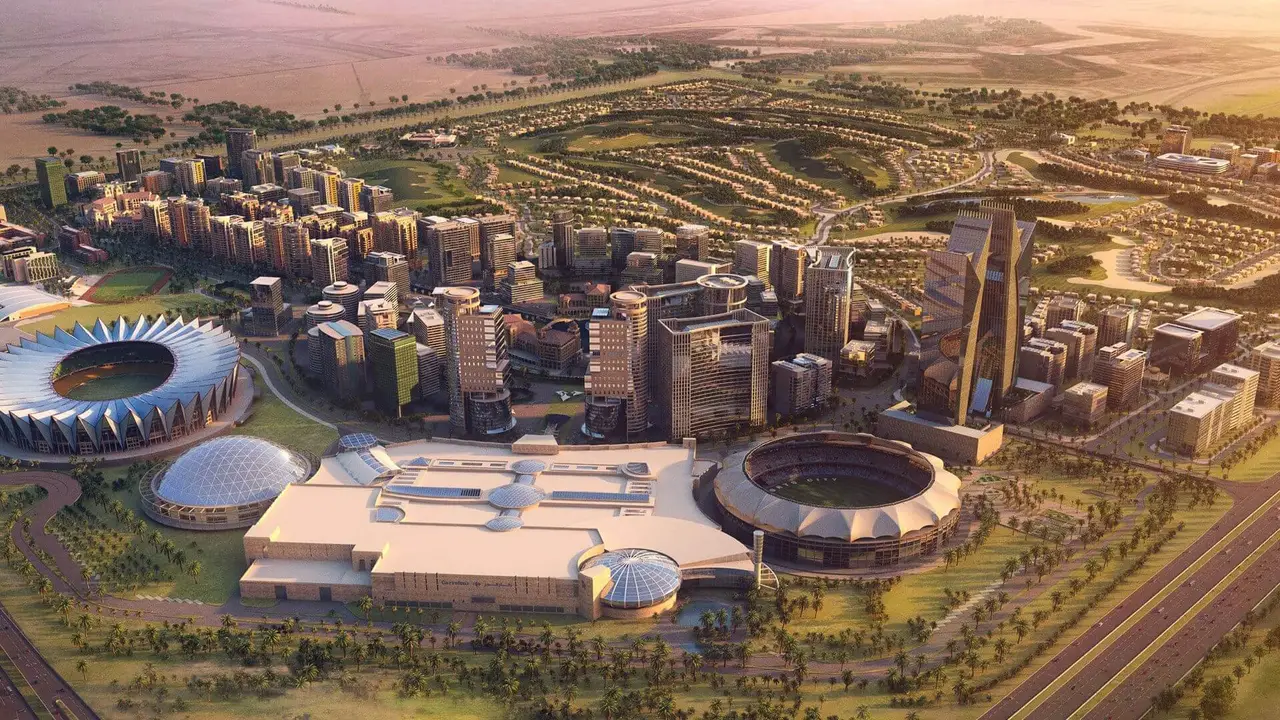
In this article, we will discuss the importance of investing in and buying an apartment in Dubai Sports City, and highli...
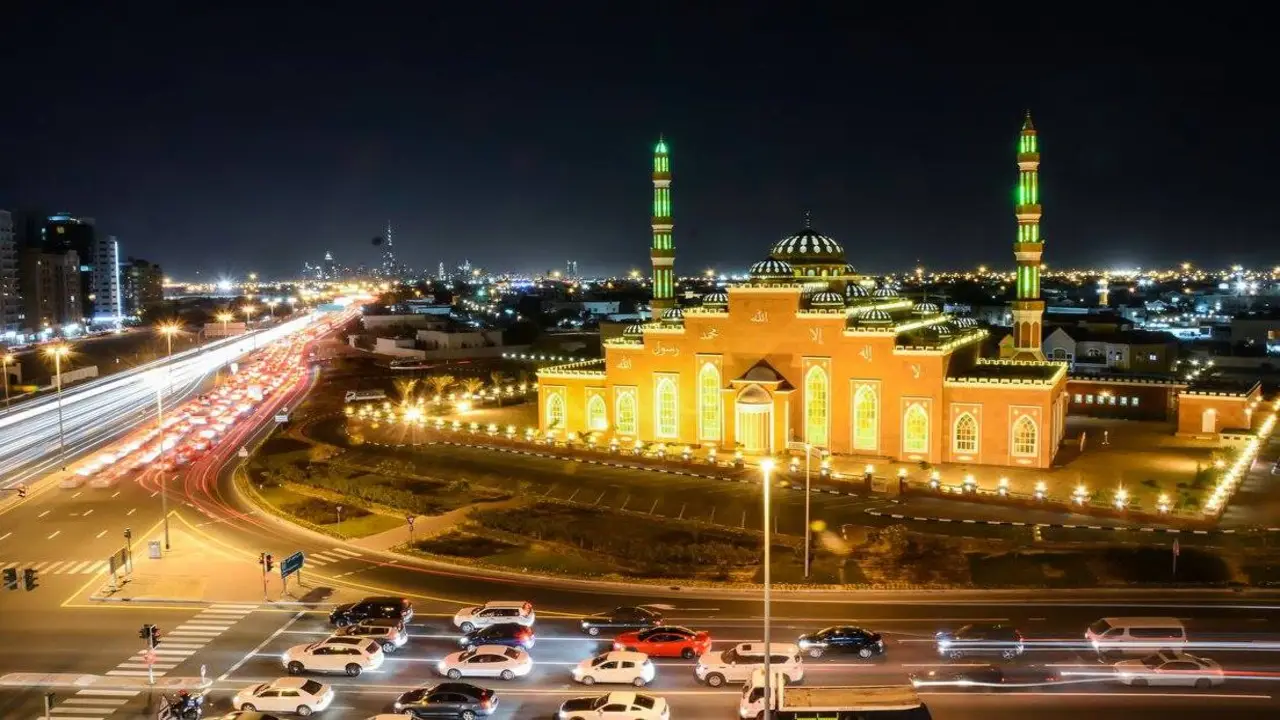
Explore real estate investment opportunities in Al Barsha, Dubai, a family-friendly and commercial community with advanc...
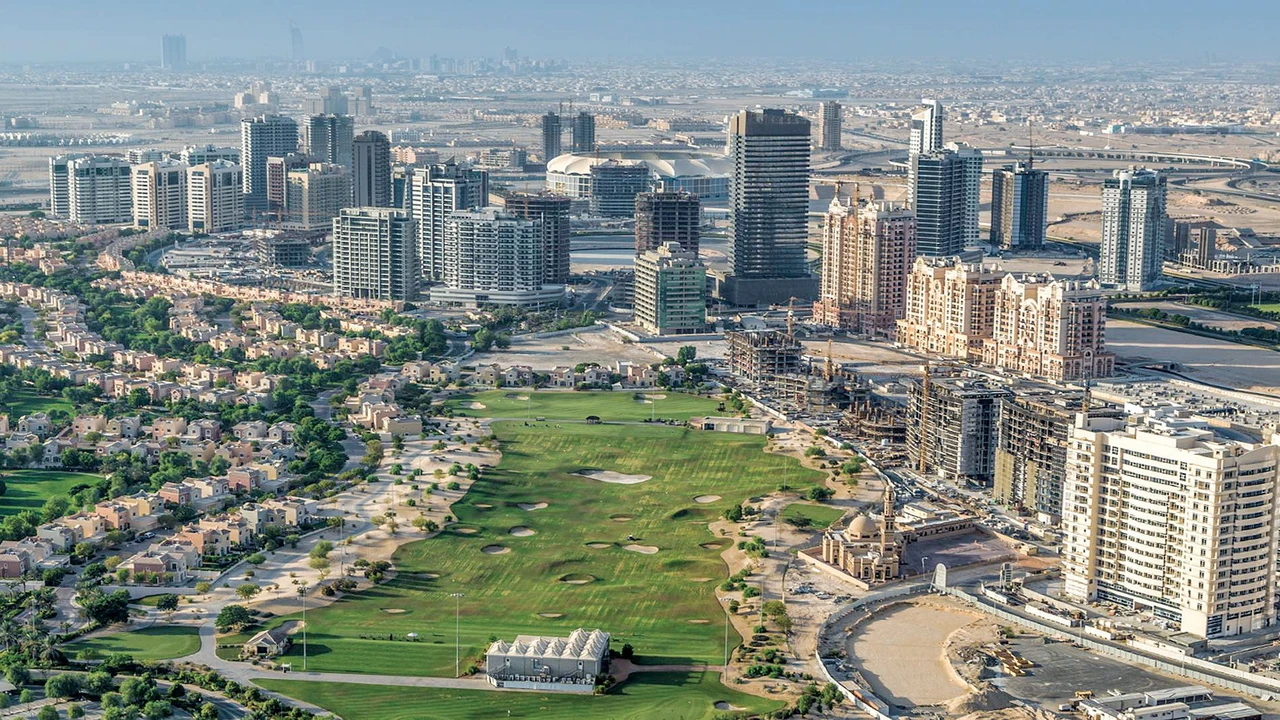
Dubai Production City (DPC) stands out as a premier real estate and media investment hub in Dubai, with a strategic loca...
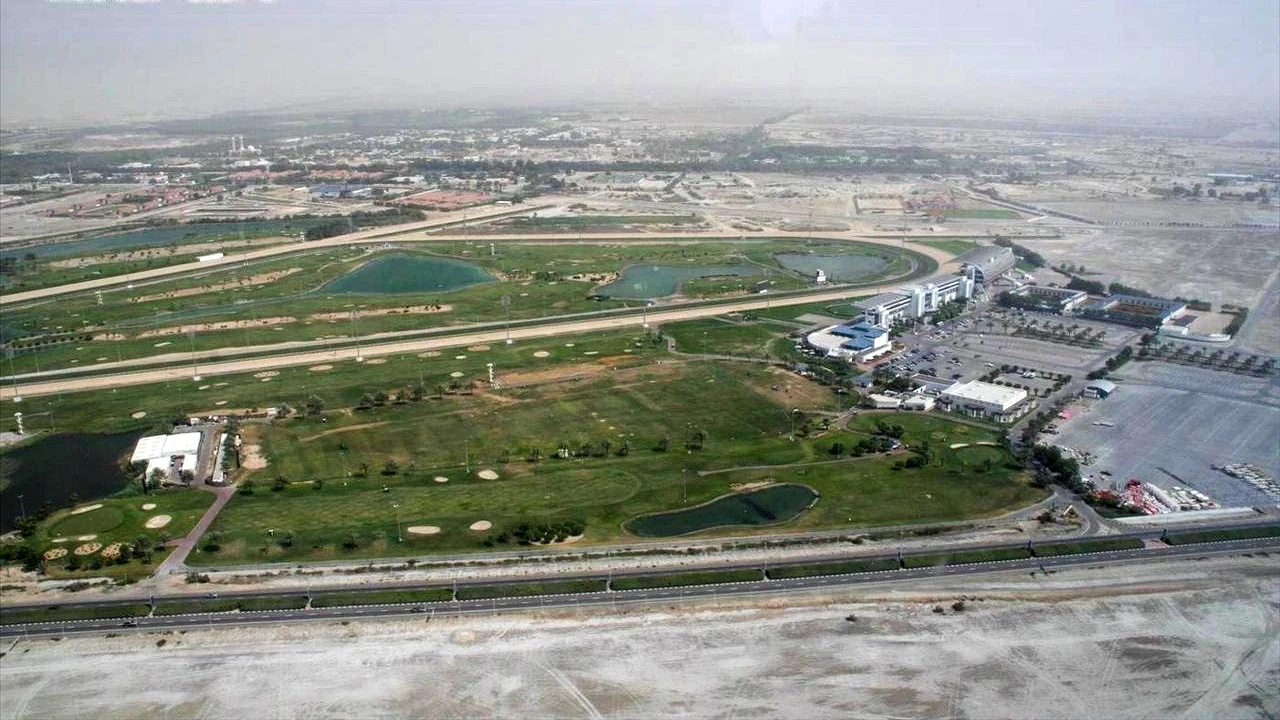
Nad Al Sheba in Dubai is a promising residential and investment area that blends calm living with easy access to city am...
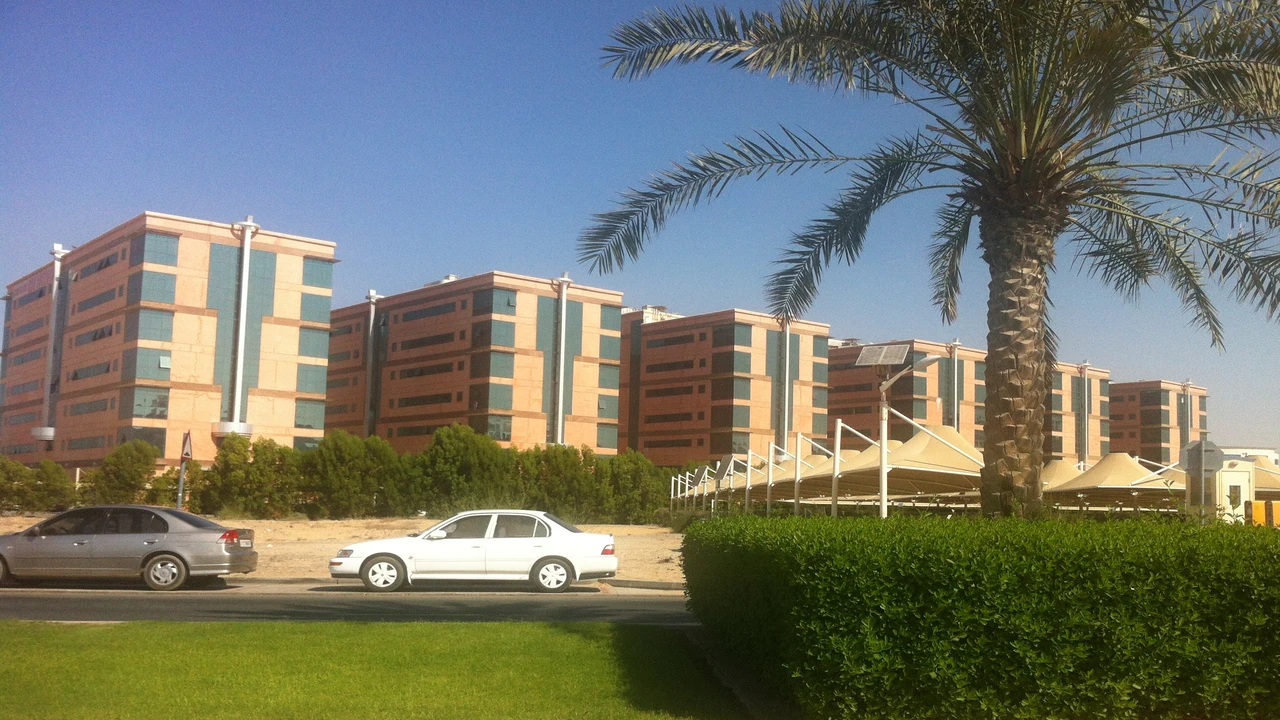
Explore Dubai International Academic City, its top universities, programs, and lucrative real estate investment options...
Dubai: The UAE's Economic Powerhouse and Cultural Hub
The Emirate of Dubai, locally referred to as "Dubayy," is a shining jewel in the crown of the United Arab Emirates, and one of the seven emirates that constitute this thriving federal entity. Strategically located on the coast of the Arabian Gulf, Dubai is bordered by the Emirate of Abu Dhabi to the west, the Emirate of Sharjah to the east, and its southern borders extend to touch the Sultanate of Oman. Although its area of 3,900 square kilometers represents only about 5% of the country's total area, Dubai plays a pivotal role in the economy, culture, and overall development of the UAE.
The emirate's population exceeded 3.3 million people according to 2019 estimates, reflecting the rapid population growth that Dubai has witnessed over the years. The demographic composition is characterized by its exceptional diversity, with foreigners and expatriate workers constituting the majority of the population, making Dubai a melting pot of different cultures and civilizations. The emirate embraces communities from approximately 200 different nationalities, living side-by-side with the country's citizens in harmony and cohesion, creating a unique global environment.
Dubai holds a prestigious position as the economic capital of the United Arab Emirates, and has witnessed radical transformations and tremendous growth under the wise leadership of Sheikh Mohammed bin Rashid Al Maktoum. The emirate's free and vibrant economy, coupled with the absence of income taxes, has long been a crucial factor in attracting foreign investment from around the world. These wise economic policies have contributed to consolidating Dubai's position as a global commercial and financial hub.
The organizational structure of the Dubai government reflects a commitment to efficiency and effectiveness in providing public services. The government consists of departments, authorities, and executive and service institutions that work in close coordination under the supervision of the Executive Council of the Emirate, headed by Sheikh Hamdan bin Mohammed bin Rashid Al Maktoum, Crown Prince of Dubai. This integrated organizational structure ensures the achievement of sustainable development and the implementation of strategic plans with high efficiency.
What distinguishes Dubai from other Gulf Arab states is its increasing reliance on diverse sectors other than oil and gas. Although oil and gas represent a part of the economy, they constitute only about 6% of the total GDP. Dubai's economy relies primarily on trade, real estate, financial services, and the thriving tourism sector. This economic diversification contributes to strengthening the emirate's economic stability and reducing its dependence on fluctuations in global oil prices.
The massive economic and urban renaissance that Dubai has witnessed has brought global fame to the emirate, and placed it in a prominent position on the global map. This renaissance has not been limited to the economic aspect only, but has also included the development of modern infrastructure, the creation of unique architectural landmarks, and the promotion of innovation and scientific research. Dubai has become a model to be emulated in sustainable urban planning and comprehensive development.
In conclusion, Dubai is a unique model of economic development and cultural diversity in the heart of the Arabian Gulf. Thanks to its wise leadership and ambitious vision, Dubai has been able to transform into a global center for trade, finance, and tourism. The emirate's ability to adapt to global changes, diversify its economy, and embrace cultural diversity are key factors that have contributed to its success and will continue to drive it towards further prosperity and progress in the future.